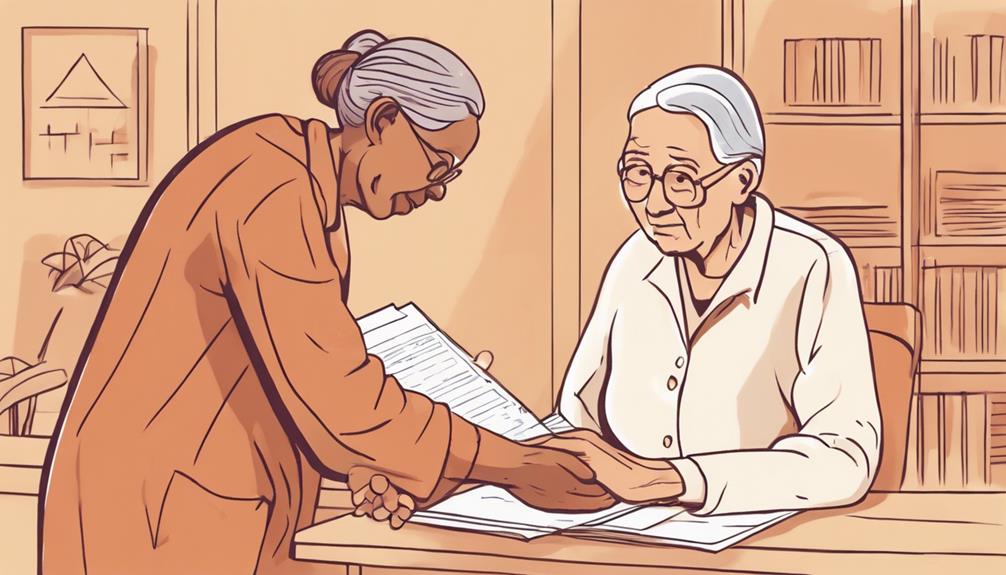

As an Alzheimer's caregiver, you face complex legal responsibilities. Understanding power of attorney, financial decision-making, and healthcare authority is essential. You must navigate guardianship laws, preserve your loved one's autonomy, and protect them from exploitation. Managing daily living arrangements, coordinating healthcare services, and handling financial exploitation are also crucial. With so much to ponder, it's important to stay informed and take control. By doing so, you'll guarantee your loved one receives the care they deserve, and you'll find a sense of clarity amidst the chaos – and that's just the beginning of your journey.
Understanding Power of Attorney
As a caregiver of an Alzheimer's patient, you'll likely need to make financial and healthcare decisions on their behalf, which is where a power of attorney (POA) comes in – a legal document granting you authority to act on their behalf. This vital document guarantees you can make informed decisions that align with your loved one's wishes, even when they're no longer able to communicate them.
Having a POA in place can help prevent elder abuse, which is a serious concern for caregivers. Without a POA, your loved one may be vulnerable to financial exploitation or emotional manipulation. By granting you authority, you can safeguard their interests and prevent potential abuse. Additionally, a durable power of attorney (POA) allows caregivers to make financial and healthcare decisions on behalf of their loved ones, ensuring that their needs are prioritized. This is crucial in navigating the legal aspects of elder abuse, as it empowers caregivers to take immediate action if they suspect any wrongdoing. By having clear authority, caregivers can act swiftly to protect their loved one’s well-being and ensure that their rights are upheld.
Family dynamics can also play a significant role in POA decisions. Sibling rivalries, family conflicts, or disagreements about caregiving responsibilities can arise. A POA can help clarify decision-making authority, reducing the risk of family disputes and ensuring your loved one receives the care they need.
It's essential to understand that a POA is not a one-size-fits-all solution. You should discuss the terms and scope of the POA with your loved one while they're still able to provide input. This will ensure their autonomy and wishes are respected, even as their condition progresses. By understanding the role of a POA, you can provide better care and protection for your loved one, while also maintaining a sense of dignity and respect for their autonomy.
Managing Financial Decision-Making
As a caregiver, you'll need to manage your loved one's financial affairs, making decisions about their financial well-being. You'll want to explore options like Powers of Attorney, which allow your loved one to grant you authority to make financial decisions on their behalf. In more advanced cases, you may need to contemplate Financial Guardianship, where the court appoints you to manage their financial affairs.
Powers of Attorney
By granting someone power of attorney, you can ensure that a trusted individual or individuals will manage your financial affairs if you become incapacitated due to Alzheimer's disease. This is vital in preventing elder abuse, where unscrupulous individuals may take advantage of your vulnerability. By appointing a power of attorney, you can rest assured that your finances will be handled by someone you trust, reducing the risk of financial exploitation.
As a caregiver, it's essential to understand the importance of powers of attorney in managing financial decision-making. Without it, you may experience caregiver burnout, shouldering the burden of financial responsibilities alone. By granting power of attorney, you can share the load with a trusted individual, ensuring that your loved one's financial affairs are in order. This can include tasks like paying bills, managing investments, and making important financial decisions. By taking this step, you can focus on providing emotional support and care, rather than shouldering the entire burden alone.
Financial Guardianship
You'll need to take the next step in managing financial decision-making by establishing financial guardianship, which grants a caregiver or trusted individual the legal authority to make financial decisions on behalf of the Alzheimer's patient. This is especially important in preventing financial abuse, which can be devastating for vulnerable individuals. As a caregiver, you'll need to petition the court to appoint a guardian, providing evidence of the patient's incapacity to manage their finances. Be prepared to provide documentation, such as medical records and financial statements. Once appointed, you'll be responsible for managing the patient's financial affairs, including paying bills, collecting benefits, and making investment decisions. Be aware that guardianship fees will apply, which can vary depending on the complexity of the case and the guardian's expertise. It's essential to understand the fees associated with guardianship to make sure you're making the best decisions for your loved one's financial well-being. By taking this step, you'll guarantee the patient's financial security and protect them from potential financial exploitation.
Healthcare Decision-Making Authority
As a caregiver, you'll need to navigate healthcare decision-making authority for your loved one with Alzheimer's. You'll want to understand the roles of power of attorney, legal guardianship, and advanced directives in ensuring their medical needs are met. By grasping these concepts, you'll be better equipped to make informed decisions on their behalf.
Power of Attorney
Having power of attorney for healthcare decisions gives you the ability to make critical medical choices on behalf of your loved one, guaranteeing their needs are met in accordance with their wishes. This legal authority is vital in preventing elder abuse, which can occur when caregivers exploit or neglect their loved ones. As a caregiver, it's essential to understand the importance of power of attorney in preserving your loved one's autonomy and dignity.
| Benefits of Power of Attorney | Why It Matters |
|---|---|
| Ensures medical decisions align with your loved one's wishes | Respects their autonomy and dignity |
| Allows you to make critical medical choices on their behalf | Prevents elder abuse and neglect |
| Provides clarity in complex medical situations | Reduces family conflicts and stress |
| Enables you to advocate for your loved one's needs | Supports their overall well-being |
| Offers peace of mind for both you and your loved one | Fosters trust and understanding within family dynamics |
Legal Guardianship
When your loved one with Alzheimer's is no longer able to make informed healthcare decisions, legal guardianship gives you the authority to step in and make choices that align with their best interests. As a caregiver, you'll take on custodial duties, guaranteeing your loved one receives the care they need. This might include managing their daily activities, finances, and healthcare. However, legal guardianship isn't just about making decisions; it's also about handling potential family conflicts that may arise. You may face disagreements with other family members about what's best for your loved one. That's why it's essential to establish open communication and set clear expectations. By doing so, you'll be better equipped to make decisions that respect your loved one's autonomy while also considering the input of other family members. Remember, legal guardianship is a significant responsibility, but with the right support and guidance, you can ensure your loved one receives the care they deserve.
Advanced Directives
You'll need to establish advanced directives, which grant you healthcare decision-making authority, to guarantee your loved one's medical wishes are respected. This legal document ensures that your loved one's treatment preferences are carried out, even when they're no longer able to communicate their desires. Advanced directives typically include a living will, which outlines specific medical treatments they do or don't want, and a healthcare power of attorney, which appoints you to make decisions on their behalf.
As your loved one's caregiver, it's essential to have these directives in place, especially as their Alzheimer's disease progresses. You'll need to assess their capacity to make informed decisions, and when they're no longer able to do so, you'll take over as their healthcare proxy. With advanced directives, you'll be empowered to make medical decisions aligned with their wishes, respecting their autonomy even when they're no longer capable of expressing their preferences. By having these documents in place, you'll ensure that your loved one receives the care they want, and you'll have peace of mind knowing you're honoring their desires.
Navigating Guardianship Laws
As a caregiver, understanding the intricate guardianship laws in your state is essential to guarantee your loved one's well-being and financial security. You'll need to grasp when court intervention is necessary and how to navigate the process. Guardianship laws vary by state, so it's important to familiarize yourself with the specific regulations in your area.
Court intervention may be necessary if your loved one is no longer capable of making decisions for themselves. This can be a challenging and emotional process, especially when family dynamics come into play. It's critical to approach the situation with sensitivity and empathy, ensuring that all parties involved are on the same page. You may need to petition the court to appoint a guardian, which can be a lengthy and costly process.
It's essential to ponder the long-term implications of guardianship on your loved one's autonomy and independence. You'll need to weigh the benefits of court-appointed guardianship against the potential risks and consequences. By understanding the legal framework surrounding guardianship, you can make informed decisions that prioritize your loved one's best interests. By doing so, you can guarantee their well-being and financial security are protected, even in the face of cognitive decline.
Preserving Patient Autonomy
By establishing clear advance directives, you can help preserve your loved one's autonomy and secure their wishes are respected, even as their cognitive abilities decline. This important step enables your loved one to make informed personal choices about their care, ensuring their autonomy is maintained as much as possible.
As a caregiver, it's essential to recognize the significance of preserving autonomy for individuals with Alzheimer's disease. By doing so, you're supporting their independence and dignity. Support systems, such as family members, friends, and healthcare professionals, play a critical role in respecting and upholding your loved one's autonomy. These systems can provide emotional support, assist with daily tasks, and facilitate open communication, ultimately empowering your loved one to make informed decisions.
Advance directives can include documents like living wills, power of attorney, and do-not-resuscitate orders. These documents serve as a guide for caregivers, ensuring your loved one's wishes are respected, even in situations where they may no longer be able to communicate effectively. By respecting and supporting your loved one's autonomy, you're not only honoring their personal choices but also promoting their overall well-being.
Legal Considerations for Housing
When it comes to legal considerations, housing arrangements can be a complex and sensitive issue, particularly when your loved one's cognitive decline affects their ability to maintain a safe living environment. As a caregiver, you're not only concerned about their physical well-being but also their emotional comfort and independence.
You should think about Home Safety assessments to identify potential hazards in their living space. This can include evaluating fall risks, kitchen safety, and accessibility. By doing so, you can take proactive measures to create a safer environment that reduces the risk of accidents and injuries.
Regarding Housing Options, it's important to explore the various alternatives available. You may need to take into account assisted living facilities, memory care units, or even adult day care programs. It's essential to research and evaluate these options carefully, considering your loved one's specific needs, preferences, and financial situation.
It's also crucial to involve your loved one in the decision-making process as much as possible, respecting their autonomy while ensuring their safety and well-being. By doing so, you can create a living arrangement that balances their independence with the necessary support and care they require. By taking a proactive and informed approach, you can help your loved one maintain a comfortable and safe living environment that suits their unique needs.
Managing Daily Living Arrangements
Managing daily living arrangements for your loved one with Alzheimer's disease requires a delicate balance between supporting their independence and guaranteeing their safety and well-being. As a caregiver, it's essential to establish daily routines that promote a sense of structure and normalcy. This can include setting regular times for meals, exercise, and sleep. By doing so, you can help your loved one feel more secure and in control.
Household management is another critical aspect of daily living arrangements. You'll need to make sure that the living environment is safe and free from hazards, such as tripping hazards, electrical cords, and sharp objects. Simplifying daily tasks, like meal preparation and cleaning, can also help reduce stress and anxiety. Consider implementing strategies like labeling cabinets, using automatic medication dispensers, and creating a daily schedule board to help your loved one stay on track.
It's also important to prioritize your own well-being as a caregiver. Don't be afraid to ask for help from family, friends, or professional caregivers when you need a break. Managing daily living arrangements for your loved one with Alzheimer's requires patience, understanding, and flexibility. By establishing routines and simplifying daily tasks, you can help create a more comfortable and supportive environment for both you and your loved one.
Coordinating Healthcare Services
How do you guarantee your loved one receives the best possible care from a network of healthcare professionals, including doctors, therapists, and caregivers, while maneuvering through the complexities of the healthcare system? Coordinating healthcare services is a challenging task, but with the right approach, you can make sure your loved one receives thorough care.
As a caregiver, you're not only responsible for providing emotional support but also for overseeing medical care. This involves coordinating appointments, managing medications, and communicating with healthcare providers. Effective care navigation is vital in ensuring your loved one receives timely and appropriate care. You can achieve this by maintaining a centralized care plan, which outlines their medical history, treatment plans, and care preferences.
As a medical advocate, it's essential to stay informed about your loved one's condition, treatment options, and medication side effects. You should also establish open communication with healthcare providers, asking questions and seeking clarification when needed. By taking a proactive approach, you can identify potential gaps in care and address them promptly. Remember, coordinating healthcare services is an ongoing process that requires patience, persistence, and attention to detail. By embracing your role as a caregiver and advocate, you can make sure your loved one receives the best possible care, enhancing their quality of life and your own.
Handling Financial Exploitation
As you work diligently to guarantee your loved one receives the best possible care, another important aspect to address is protecting them from financial exploitation, a common concern for Alzheimer's patients who may be vulnerable to scams, fraud, or undue influence. It's vital to take proactive measures to safeguard their financial well-being and prevent fraud.
Start by monitoring their financial accounts and transactions regularly. Set up alerts for unusual activity, and consider implementing fraud protection measures, such as two-factor authentication and credit monitoring. Additionally, be cautious of unsolicited offers or requests for personal information, as these can be signs of identity theft.
It's also essential to have open and honest conversations with your loved one about their financial decisions. Encourage them to seek your input or approval before making significant financial transactions. Consider setting up a joint bank account or becoming a co-signer on their accounts to provide an added layer of protection.
Planning for End-of-Life Care
What kind of care and support will your loved one need in their final days, and who will provide it? As a caregiver, it's essential to contemplate the type of care your loved one will require as their Alzheimer's disease progresses. Planning for end-of-life care can be a challenging task, but it's vital to guarantee your loved one's comfort, dignity, and quality of life.
| Care Aspect | Cultural Sensitivities | Family Dynamics |
|---|---|---|
| Pain Management | Respect for cultural beliefs about pain and suffering | Open communication with family members about pain management options |
| Spiritual Support | Incorporating spiritual practices and rituals into care | Involving family members in spiritual support and decision-making |
| Comfort Care | Providing comfort-focused care that respects cultural values | Encouraging family members to prioritize comfort care |
| Bereavement Support | Offering culturally sensitive bereavement support to family members | Involving family members in bereavement support and decision-making |
When planning for end-of-life care, it's essential to take into account cultural sensitivities and family dynamics. This includes respecting cultural beliefs about pain and suffering, incorporating spiritual practices into care, and providing comfort-focused care that respects cultural values. By doing so, you can make sure that your loved one receives the care and support they need in their final days, while also supporting your family's emotional and spiritual well-being. Remember, planning for end-of-life care is not just about providing medical care, but also about supporting the emotional and spiritual needs of your loved one and your family.
Frequently Asked Questions
Can I Be Held Liable for My Loved One's Debts?
You're worried about being stuck with your loved one's debts – and rightly so. As a caregiver, you might be concerned about financial abuse or debt inheritance. But here's the good news: in most cases, you won't be held personally liable for their debts. However, it's essential to keep your finances separate and avoid co-signing loans or credit cards. That way, you can protect yourself from potential financial fallout.
How Do I Handle Medicare and Medicaid Applications?
You're probably thinking, "Navigating Medicare and Medicaid applications should be a breeze, right?" Wrong! Benefit denials and application roadblocks are all too common. But don't let that discourage you. You're not alone in this journey. Take a deep breath and prepare for a potentially lengthy process. Gather all necessary documents, and be prepared to appeal any denials. Stay organized, persistent, and patient – your loved one's care depends on it.
What if My Loved One Refuses Necessary Medical Treatment?
When your loved one refuses necessary medical treatment, it's essential to respect their autonomy while ensuring their well-being. You'll need to have a nuanced conversation about informed consent, understanding their values and goals. As their medical advocacy partner, you'll help them weigh the risks and benefits of treatment. By doing so, you'll empower them to make informed decisions, even if you disagree with their choices.
Can I Take a Break From Caregiving Without Legal Repercussions?
You're not alone in feeling overwhelmed as a caregiver. It's essential to recognize when you need a break to avoid burnout. Taking a break doesn't make you a bad caregiver; it makes you a smart one. Consider respite care, which provides temporary relief, giving you time to recharge. Don't be afraid to ask for help – it's a sign of strength, not weakness. By taking breaks, you'll become a better, more patient caregiver in the long run.
How Do I Protect My Loved One From Online Scams?
"A bird in the hand is worth two in the bush," and when it comes to protecting your loved one from online scams, being proactive is key. You should help them set up password management tools to secure their online accounts. Also, educate them on how to identify and report suspicious emails and calls to the Federal Trade Commission (FTC) for scam reporting. By taking these steps, you'll help safeguard their digital life and prevent potential financial losses.