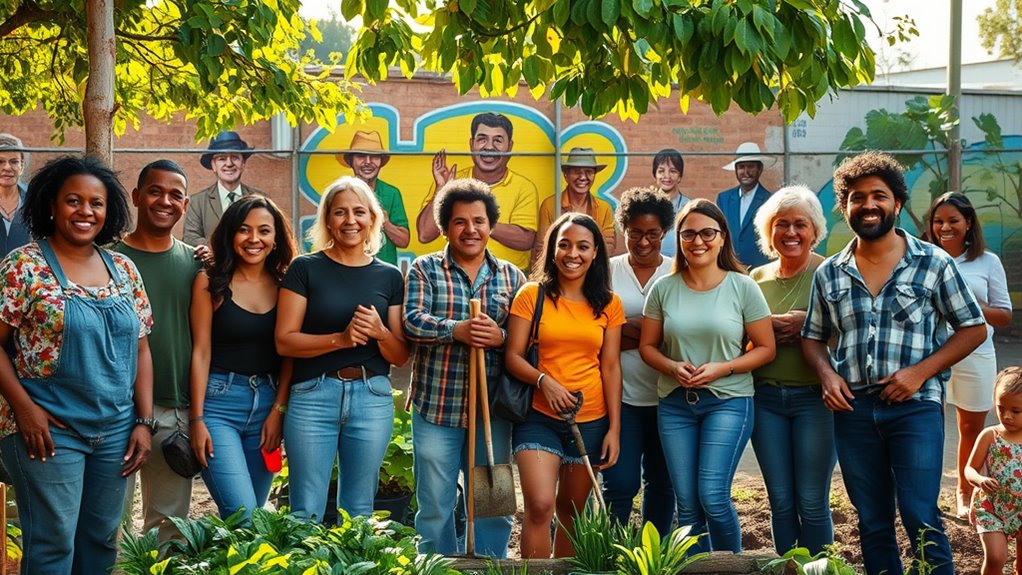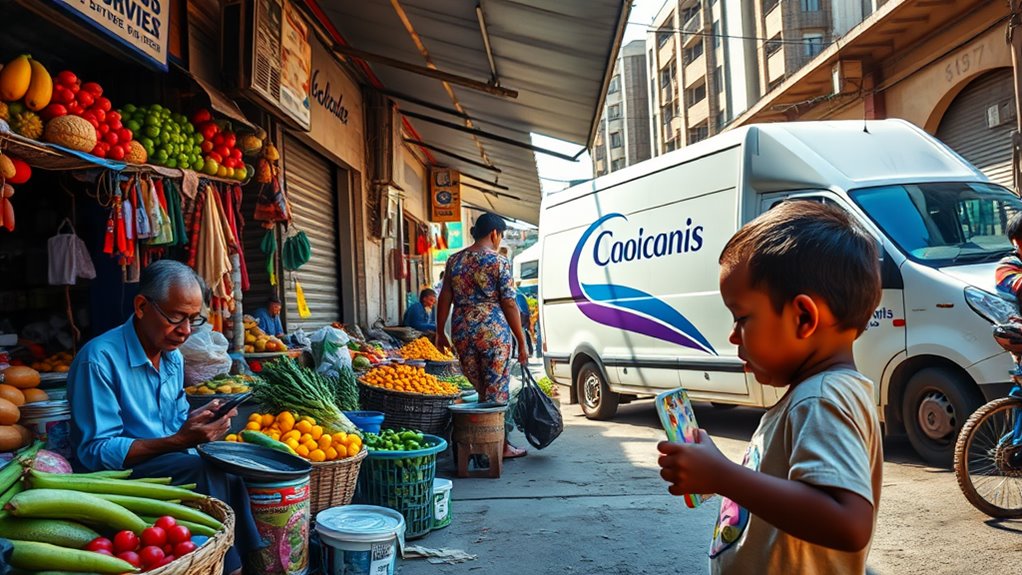
Education systems worldwide are undergoing a profound transformation to equip students with the skills, knowledge, and mindset required to thrive in an increasingly complex and interconnected world. Traditional curriculum models are being rethought to prioritize critical thinking, emotional intelligence, and data analysis. Technology integration, including AI and VR, is creating personalized learning experiences. Emphasis is placed on building data literacy, digital skills, and soft skills like communication, collaboration, and self-awareness. As the pace of change accelerates, educators are reimagining learning pathways, assessments, and feedback to foster adaptability, global citizenship, and cross-cultural understanding – and there's more to explore in this evolving landscape.
Rethinking Curriculum for the Future
As educators and policymakers look to the future, it is becoming increasingly clear that traditional curriculum models are no longer equipped to prepare students for the complex, rapidly changing world they will inherit. The pace of technological advancements, shifting workforce demands, and evolving societal needs have created a significant Skills Gap between the skills students acquire in school and those required to thrive in the modern economy. To address this gap, it is essential to rethink curriculum design to prioritize Future Readiness.
Rethinking curriculum for the future requires a shift from a sole focus on academic achievement to a more holistic approach that emphasizes essential skills such as critical thinking, creativity, collaboration, and emotional intelligence. By integrating these skills into the curriculum, students will be better equipped to adapt to changing circumstances, think creatively, and navigate ambiguity. Additionally, incorporating real-world applications and project-based learning can help students develop a deeper understanding of complex concepts and their practical applications.
To make certain students are prepared for an uncertain future, educators must prioritize future-oriented skills such as data analysis, digital literacy, and problem-solving. By doing so, we can bridge the Skills Gap and empower students to succeed in a rapidly changing world. By rethinking curriculum design, we can provide students with the skills, knowledge, and competencies necessary to thrive in the 21st century and beyond.
Embracing AI in the Classroom
Rethinking curriculum design to prioritize Future Readiness also involves leveraging innovative tools, such as artificial intelligence, to create personalized learning experiences that cater to diverse student needs and abilities. Embracing AI in the classroom has the potential to revolutionize the way we learn, making education more accessible, engaging, and effective.
One key area where AI is making a significant impact is in adaptive learning. AI-powered systems can analyze student performance, identifying knowledge gaps and adjusting the learning content to meet individual needs. This personalized approach enables students to learn at their own pace, fostering a deeper understanding of complex concepts.
However, as AI becomes more integrated into education, it's essential to address AI ethics. Teachers and educators must consider the potential biases in AI systems, ensuring that they do not perpetuate existing inequalities. Moreover, the increasing presence of AI in education raises important questions about the role of human teachers. Will Teacher bots replace human educators, or will they augment their abilities, freeing them to focus on more nuanced, empathetic aspects of teaching?
Building Data Literacy Skills
As educators work diligently to prepare students for an increasingly data-driven world, building data literacy skills is vital for informed decision-making and effective navigation of digital landscapes. By cultivating these skills, students will be empowered to make data-driven decisions, critically evaluate information, and thrive in an era of rapid technological advancement. By exploring data literacy, we can equip the next generation with the essential skills necessary to succeed in an uncertain future.
Data-Driven Decision Making
Data-driven decision making has become an essential component of modern education systems, where educators and administrators rely on accurate and timely data to inform instructional strategies and policy decisions. This approach enables educators to identify areas of improvement, track student progress, and allocate resources more effectively. To guarantee data-driven decision making is effective, it is vital to focus on data quality and decision metrics.
| Data Quality Dimension | Description | Impact on Decision Making |
|---|---|---|
| Accuracy | Ensuring data is correct and reliable | Inaccurate data leads to poor decision making |
| Completeness | Having all necessary data to inform decisions | Incomplete data leads to inadequate decision making |
| Relevance | Ensuring data is relevant to the decision at hand | Irrelevant data leads to misinformed decisions |
| Timeliness | Having data available when needed | Outdated data leads to ineffective decision making |
Navigating Digital Landscapes
Educators must develop the skills to navigate complex digital landscapes, where they can access, evaluate, and utilize vast amounts of educational data to inform instruction and improve student outcomes. As they venture into these digital territories, educators must prioritize building data literacy skills to effectively collect, analyze, and interpret educational data. This requires a deep understanding of digital etiquette, including responsible online behavior, digital communication, and online safety. Additionally, educators must cultivate cybersecurity awareness to protect sensitive student data and prevent cyber threats. By doing so, they can establish a secure and trustworthy digital environment that fosters collaborative learning and innovation. As educators navigate digital landscapes, they must remain vigilant about the potential risks and consequences of data misuse, ensuring that their digital practices align with the highest standards of professionalism and ethics. By developing these essential skills, educators can harness the power of digital data to drive student success and transform education systems for the better.
Essential Skills for Tomorrow
Essential Skills for Tomorrow: Building Data Literacy Skills
Developing data literacy skills is a critical component of maneuvering through digital landscapes, as it enables educators to extract insights from complex datasets and inform instruction with precision. In today's data-driven world, educators must be able to collect, analyze, and interpret large datasets to make informed decisions. This requires more than just technical skills; it demands critical thinking and creative problem-solving abilities. By building data literacy skills, educators can identify patterns, trends, and correlations, allowing them to tailor instruction to meet the diverse needs of their students. Additionally, data literacy enables educators to evaluate the effectiveness of instructional strategies, making data-driven decisions to improve student outcomes. As the volume and complexity of educational data continue to grow, educators must prioritize data literacy skills to remain effective in their roles. By doing so, they can harness the power of data to drive student success and stay ahead in a rapidly changing educational landscape.
Fostering Emotional Intelligence
Building emotional intelligence in students requires a deliberate shift in educational priorities, one that acknowledges the intricate web of emotions, social skills, and cognitive abilities that underpin academic success and lifelong well-being. As educators, we must recognize that emotional intelligence is not an innate trait, but rather a skill that can be developed and nurtured.
To foster emotional intelligence, educational systems must incorporate practices that promote empathy, self-awareness, and social skills. This can be achieved through:
- Empathy building exercises that encourage students to understand and appreciate diverse perspectives
- Mindfulness practices that help students develop self-awareness and regulate their emotions
- Social-emotional learning programs that teach conflict resolution, communication, and collaboration skills
Preparing Students for Remote Work
As the global workforce increasingly shifts towards remote and hybrid work arrangements, it is critical that educational systems prepare students for this new reality by instilling the skills and adaptability required to thrive in virtual work environments. This necessitates a focus on developing essential skills such as self-motivation, time management, and effective communication. Additionally, students must be equipped with the knowledge of virtual etiquette, including proper email communication, video conferencing protocols, and digital collaboration tools.
In addition, educational institutions should provide opportunities for virtual mentorship, where students can connect with professionals and industry experts remotely. This will enable students to gain valuable insights into the remote work environment and develop a deeper understanding of the expectations and challenges that come with it. By incorporating these elements into their curriculum, educational systems can make sure that students are well-prepared to succeed in the rapidly evolving remote work landscape. This will also enable them to stay adaptable and competitive in an increasingly digital job market. By doing so, educational systems can bridge the gap between the traditional classroom setting and the modern workplace, ultimately empowering students to thrive in a rapidly changing world.
Integrating Virtual Reality Learning
One of the most promising ways to revolutionize the learning experience is by integrating virtual reality (VR) technology into educational systems, enabling students to engage with complex concepts in an immersive and interactive environment. This innovative approach has the potential to enhance student engagement, improve knowledge retention, and increase overall academic performance.
By incorporating VR technology into educational systems, students can participate in Virtual Fieldtrips, exploring historical sites, visiting distant planets, or examining microscopic organisms, all from the comfort of their classrooms. Additionally, Immersive Simulations can be designed to recreate real-world scenarios, allowing students to practice critical thinking, problem-solving, and decision-making skills in a risk-free environment.
Some benefits of integrating VR technology into educational systems include:
- Enhanced student engagement and motivation
- Improved understanding and retention of complex concepts
- Increased accessibility for students with disabilities
- Cost-effective and environmentally friendly alternative to traditional fieldtrips
- Personalized learning experiences tailored to individual learning styles
As VR technology continues to evolve, we can expect to see even more innovative applications in the educational sector. By embracing this technology, educators can create immersive, interactive, and engaging learning experiences that prepare students for success in an increasingly complex and interconnected world.
Developing Soft Skills for Success
As the education landscape evolves, it has become increasingly clear that academic achievement alone is no longer sufficient for success. To thrive in an interconnected, fast-paced world, students must also develop essential soft skills that enable them to navigate complex social dynamics and collaborate effectively. By focusing on building emotional intelligence and mastering effective collaboration tools, educators can empower students with the skills necessary to excel in an ever-changing professional landscape.
Building Emotional Intelligence
Most educators and researchers agree that building emotional intelligence is a critical component of developing soft skills for success in the 21st century. As the world becomes increasingly interconnected, students need to be equipped with the skills to navigate complex social dynamics, empathize with others, and make informed decisions. Emotional intelligence is key to achieving this.
Building emotional intelligence involves developing essential skills such as:
- Social Awareness: understanding social norms, cultural differences, and power dynamics to effectively interact with others
- Empathy Development: cultivating the ability to put oneself in others' shoes and understand their perspectives
- Self-Awareness: recognizing one's own emotions, strengths, and weaknesses to make informed decisions and take responsibility for one's actions
Effective Collaboration Tools
In today's interconnected world, effective collaboration tools are essential for fostering a culture of teamwork, driving innovation, and achieving collective goals. As education systems evolve, incorporating tools that facilitate seamless collaboration is vital for developing soft skills in students.
One such tool is Virtual Whiteboards, which enable students to engage in real-time brainstorming and idea-sharing sessions. This interactive platform promotes active listening, encourages diverse perspectives, and helps build consensus. By leveraging Virtual Whiteboards, educators can create immersive learning experiences that mirror real-world collaborative environments.
Moreover, effective collaboration tools can be instrumental in Team Building, an important aspect of soft skills development. By providing students with opportunities to work together on projects, educators can help them develop essential skills like communication, problem-solving, and conflict resolution. By integrating collaboration tools into the learning process, educators can empower students to become better team players, ultimately preparing them for success in an increasingly interconnected world.
Personalized Education for All
Tailoring educational experiences to individual students' needs, abilities, and learning styles is essential for realizing their full potential. Traditional one-size-fits-all approaches often fall short, leaving some students struggling to keep up while others feel under-challenged. Personalized education addresses these limitations by recognizing that each student learns differently.
To achieve personalized education for all, educators are leveraging innovative strategies and technologies. For instance:
- Learning Pathways: By creating customized learning routes, educators can adapt the curriculum to meet individual students' needs, skills, and learning styles.
- Adaptive Assessments: These assessments continuously evaluate student progress, adjusting their level of difficulty and content to match the student's growing abilities.
- Real-time Feedback: Immediate feedback enables students to track their progress, identify areas for improvement, and make data-driven decisions about their learning.
Adapting to the Gig Economy
As the gig economy continues to redefine the nature of work, educational systems must adapt to prepare students for a future where job security and traditional employment structures are no longer the norm. The traditional 9-to-5 job is becoming a relic of the past, replaced by short-term contracts, freelance work, and entrepreneurship. To thrive in this new landscape, students need to develop a gig mindset, characterized by flexibility, adaptability, and a willingness to continuously learn and upskill.
Educational systems must prioritize freelance readiness, equipping students with the skills and mindset necessary to navigate the gig economy. This includes teaching essential skills such as project management, time management, and negotiation, as well as fostering entrepreneurship, creativity, and innovation. Additionally, education systems should focus on developing soft skills, such as communication, collaboration, and problem-solving, which are critical for success in the gig economy.
Cultivating Global Citizenship
As the world becomes increasingly interconnected, cultivating global citizenship in students is essential for their future success. This requires fostering a global mindset, enabling individuals to navigate diverse cultural contexts and perspectives with ease. By developing cross-cultural understanding skills, students can effectively collaborate and communicate across borders, preparing them to thrive in an interconnected world.
Global Mindset Development
Cultivating global citizenship through education enables students to navigate diverse cultural contexts with ease, fostering a deep understanding of interconnected global systems. This is achieved by developing a global mindset, which is essential for students to thrive in an increasingly interconnected world. A global mindset is characterized by cultural competence, global empathy, and the ability to appreciate different perspectives.
To cultivate a global mindset, education systems can focus on the following strategies:
- *Fostering cultural exchange programs* that allow students to engage with peers from diverse cultural backgrounds, promoting cross-cultural understanding and appreciation.
- *Incorporating global issues* into the curriculum, enabling students to develop a deeper understanding of global challenges and their interconnectedness.
- *Encouraging language learning*, which facilitates communication and collaboration across cultural boundaries.
Cross-Cultural Understanding Skills
Developing cross-cultural understanding skills is fundamental for fostering global citizenship, as it enables individuals to navigate diverse cultural contexts with sensitivity and respect. In today's interconnected world, cultural immersion experiences and empathy-building activities are vital for breaking down cultural barriers and promoting inclusive communities. Education systems must prioritize the development of cross-cultural understanding skills to equip students with the ability to communicate effectively across cultural boundaries.
| Cultural Immersion Strategies | Empathy Building Activities | Learning Outcomes |
|---|---|---|
| Homestay programs | Perspective-taking exercises | Enhanced cultural awareness |
| Language exchange programs | Emotional intelligence training | Improved communication skills |
| Cultural festivals and events | Active listening exercises | Increased empathy and tolerance |
| International service projects | Conflict resolution workshops | Effective conflict resolution skills |
Frequently Asked Questions
How Will Ai-Assisted Grading Impact Teacher Workload and Job Security?
As a teacher once quipped, 'grading is like searching for a needle in a haystack, except the needle is a correct answer and the haystack is a mountain of mediocre essays.' The advent of AI-assisted grading raises concerns about teacher workload and job security. While AI can alleviate some grading burdens, it's important to guarantee Teacher Autonomy is preserved. Implementing Grading Transparency, where AI-generated grades are reviewed and validated by teachers, can strike a balance between efficiency and accountability, ultimately maintaining the integrity of the assessment process.
Can Virtual Reality Learning Environments Increase Student Anxiety Levels?
Virtual reality learning environments can indeed increase student anxiety levels, particularly if not implemented thoughtfully. The risk of Virtual Overload, where learners are overwhelmed by the immersive experience, can exacerbate existing Fear Factors, such as fear of failure or social anxiety. To mitigate this, educators should carefully consider the individual needs of their students and implement VR in a way that promotes a sense of control and agency, ensuring a positive and inclusive learning experience.
Will Data Literacy Skills Become a Mandatory Requirement for University Admission?
As we navigate the uncharted waters of the digital age, the question arises: will data literacy skills become a mandatory requirement for university admission? With the increasing reliance on data-driven decision-making, it's vital that students can critically evaluate and navigate complex datasets. However, this raises concerns about data ethics and the potential exacerbation of the digital divide. As we move forward, it's essential that educational institutions prioritize data literacy skills, ensuring that students are equipped to navigate the complexities of the digital landscape.
How Can Educators Balance Personalized Education With Standardized Testing?
Balancing personalized education with standardized testing requires a nuanced approach. Educators can adopt competency-based models, where students progress through learning pathways at their own pace. Adaptive assessments can help identify knowledge gaps, facilitating targeted interventions. By leveraging technology, educators can create customized learning experiences that cater to individual needs, while still meeting standardized testing requirements. This blended approach guarantees students receive personalized support while meeting accountability measures.
What Are the Potential Drawbacks of Prioritizing Emotional Intelligence in Education?
A million educators are asking themselves: what's the cost of prioritizing emotional intelligence in education? While fostering social skills is important, overemphasizing emotional intelligence can lead to a watering down of academic rigor. As educators, we must strike a balance between nurturing emotional intelligence and maintaining high academic standards. By doing so, we can guarantee that students develop essential social skills without sacrificing academic excellence.