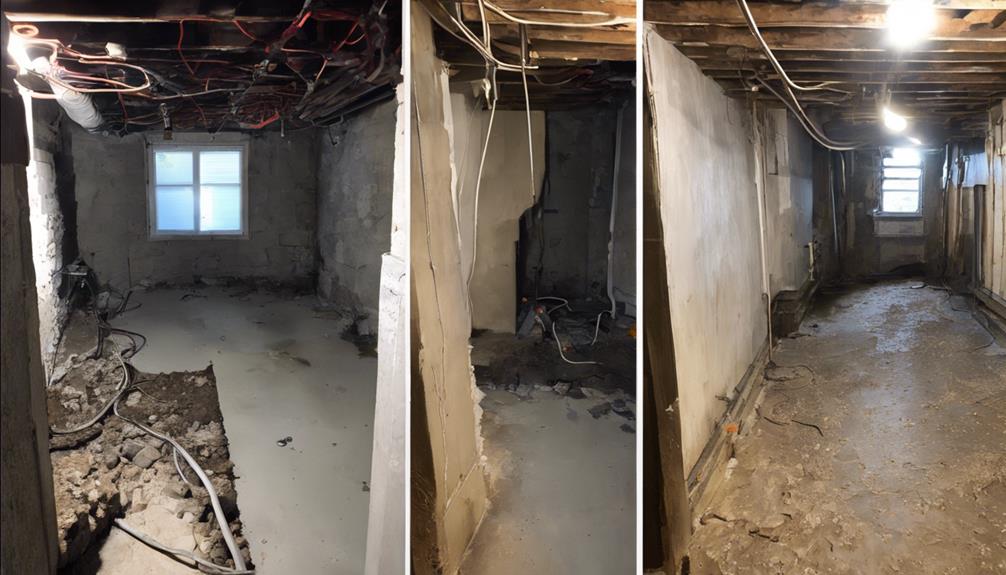

Real estate auctions are definitely worth exploring as they open up unique opportunities to acquire properties often below market value. You can enjoy a quick sales process, avoiding lengthy negotiations, and find transparency in the bidding. Plus, the competitive atmosphere can help you strategize better bids. You won't need extensive expertise; with some preparation and research, you can confidently navigate the auction terrain. Don't overlook the chance to uncover hidden gems through different auction types. If you're curious about how to maximize your experience, there's plenty more to discover about successful bidding strategies and auction dynamics.
Understanding Real Estate Auctions
When you immerse yourself in real estate auctions, you'll quickly realize they're not just about bidding on properties; they represent a unique buying process. Grasping this process is essential for anyone looking to seize opportunities and gain the freedom that comes with smart investments. Each auction type—whether it's a live auction, online auction, or sealed-bid auction—offers different dynamics and requires you to adapt your bidding techniques accordingly.
In a live auction, you'll feel the adrenaline rush as you compete against other bidders in real time. Here, excelling in techniques such as setting a limit before you start bidding and knowing when to raise your hand can give you an edge. Online auctions allow you to participate from the comfort of your home, but they demand a different approach. You'll need to monitor the auction closely and be ready to bid at the last moment. Sealed-bid auctions, conversely, require strategic planning since you won't know your competitors' bids until the end.
Familiarizing yourself with these auction types and honing your bidding techniques can empower you to make informed decisions. You'll uncover a world of possibilities that traditional real estate sales simply can't offer. So, prepare yourself, stay alert, and embrace the exhilarating nature of real estate auctions. It's time to take control of your financial destiny and explore the freedom that comes from becoming a savvy auction participant.
Benefits of Auction Participation
Participating in real estate auctions offers numerous advantages that can improve your investment strategy. One of the most compelling auction advantages is the potential for acquiring properties at below market value. In a competitive bidding environment, you might discover hidden gems that traditional sales overlook, giving you a unique opportunity to expand your portfolio.
Another key benefit is the speed of the process. Unlike conventional real estate transactions that can drag on for weeks or months, auctions often have set timelines. This means you can secure your investment quickly and without the usual hassles associated with lengthy negotiations. If you value your time and want to make swift decisions, this can be a game-changer.
Moreover, competitive bidding can drive prices down, especially if other bidders are hesitant or overestimate a property's worth. You'll have the chance to gauge the market and determine what you're willing to pay, allowing for a more strategic approach. This dynamic environment can cultivate a sense of excitement as you engage with other bidders, enhancing your overall experience.
Finally, auctions provide transparency in the buying process. You can see exactly how much others are willing to pay, which can inform your future investment decisions. With clear insights and less ambiguity, you can act confidently and assertively.
Common Misconceptions Debunked
Misunderstandings about real estate auctions can create unnecessary apprehension for potential buyers. Let's tackle some common myths through a bit of myth busting. Many believe that auctions are only for desperate sellers, but that's not the case. Sellers often choose auctions to tap into competitive pricing, drawing in enthusiastic buyers who are ready to act.
Here's a quick look at some common misconceptions:
| Myth | Reality |
|---|---|
| Auctions are only for distressed properties | Sellers are motivated by various factors, including market demand. |
| You'll face hidden costs | Auctions offer process transparency, so you know what to expect. |
| You must be an expert to participate | Timing strategies can help you prepare and feel assured. |
Auction fears often stem from a lack of comprehension. As a buyer, you gain distinct advantages, including the chance to acquire properties at potentially lower prices and a clear timeline for transactions.
You may think auction processes are chaotic, but they're designed to be straightforward. Most auctions provide guidance, and you can do your homework beforehand to feel equipped. By debunking these myths, you can step into the auction world with more confidence and less anxiety. Embrace the freedom that comes with grasping the process, and you may just find your next dream property at a great price!
Strategies for Successful Bidding
When you're preparing to bid at a real estate auction, it's essential to research the property's value to know what you're getting into. Setting a budget helps you stay disciplined and avoid overspending in the heat of the moment. Plus, comprehending the auction terms can prevent any surprises that might catch you off guard.
Research Property Value
Comprehending property value is crucial for successful bidding at real estate auctions. When you know the true worth of a property, you can bid confidently and avoid overextending yourself. Here are three key strategies to help you determine that value:
- Conduct a Property Appraisal: Hire a professional appraiser to get an accurate assessment of the property's value. This helps you understand its potential worth before bidding.
- Perform a Market Analysis: Review recent sales of comparable properties in the area. This data provides insight into current market trends, helping you gauge how much to bid.
- Consider Property Condition: Assess the property's condition, including any needed repairs or renovations. A fixer-upper might be priced lower but could require substantial investment.
Set a Budget
Setting a budget is essential for successful bidding at real estate auctions, as it helps you stay within your financial limits during the pursuit of your dream property. Without a clear budget, you might end up overextending yourself, which can lead to unwanted financial stress. By practicing effective auction budgeting, you can enjoy the thrill of bidding and keeping your financial goals in check.
Here's a simple table to help you outline your budget:
| Expense Category | Estimated Cost |
|---|---|
| Property Purchase | $ |
| Closing Costs | $ |
| Renovation Expenses | $ |
| Inspection Fees | $ |
| Miscellaneous Costs | $ |
To manage your expenses effectively, consider all potential costs associated with the property. Don't just focus on the bid amount; think about the total investment. Include renovation and maintenance costs in your auction budgeting. By doing this, you'll secure a property that brings you joy without sacrificing your financial freedom. Stick to your budget, and you'll navigate the auction environment with confidence.
Understand Auction Terms
Comprehending auction terms is crucial for navigating the competitive environment of real estate bidding. Knowing the right auction terminology can make all the difference in your bidding strategies. Here are three key terms to master:
- Reserve Price: This is the minimum price a seller will accept. If bidding doesn't reach this amount, the property may not be sold.
- Bid Increment: This refers to the minimum amount by which a bid must be raised. Grasping this helps you strategize your bids effectively.
- Absolute Auction: In this case, the property sells to the highest bidder, regardless of the price. It often attracts serious bidders, so be prepared.
When you comprehend these terms, you'll feel more confident in your bidding. Research auction formats and practices as well, since they can vary widely. This knowledge not only empowers you but also grants you the freedom to make informed decisions in a fast-paced environment. Equip yourself with this auction terminology, and you'll stand a better chance of winning that dream property. Remember, successful bidding isn't merely about luck; it's about strategy and comprehending the arena.
Financing Options for Auction Properties
When you're considering a real estate auction, grasping your financing options is essential to making a successful bid. You have several paths to choose from, and comprehending each one can empower your decision-making process.
Cash offers are the quickest way to secure a property, giving you an edge in competitive bids. If you've got the liquidity, this option can simplify your purchase and avoid financing contingencies that might delay the process. Nevertheless, if cash isn't an option, hard money loans can be a fantastic alternative. These short-term loans are backed by the property's value, allowing you to move quickly when the right opportunity arises.
Traditional loans can likewise work, but they often come with longer approval times and strict requirements. If you go this route, getting a loan pre-approval beforehand is essential. It will not only streamline your auction experience but also show sellers you mean business.
Don't forget about private lenders who can offer flexible terms customized to your needs. They might be more willing to work with you, especially if you're looking at unique auction properties. Furthermore, forming investment partnerships can be advantageous. Pooling resources allows you to bid on properties you might not be able to afford solo, increasing your freedom to explore various opportunities.
Ultimately, knowing your financing options will prepare you to seize the moment when the perfect auction property comes along.
Navigating the Auction Process
Steering through the auction process can feel overwhelming, but breaking it down into manageable steps makes it easier. Follow these key steps to navigate the auction successfully:
- Research the Property: Get to know the property you're interested in. Look into its history, market value, and neighborhood. Grasping what you're bidding on is vital for making informed decisions.
- Comprehend the Auction Terms: Familiarize yourself with the auction rules and regulations. Know the bidding increments, deposit requirements, and any fees that may apply. Clarity here can save you from surprises later.
- Develop Bidding Tactics: Formulate a strategy before the auction starts. Decide your maximum bid and stick to it. Use auctioneer insights to gauge the competition; watch for patterns and timing. This knowledge can help you strike when the moment is right.
As you prepare, keep in mind that freedom in real estate additionally comes from being well-informed. Engage with the auctioneer and ask questions—getting insights directly from them can improve your grasp of the process and property.
Frequently Asked Questions
Are Real Estate Auctions Open to the General Public?
Yes, real estate auctions are typically open to the public, allowing anyone to participate. Auction accessibility means you can explore opportunities that might not be available through traditional listings. You'll find that public participation in these events can lead to exciting deals and unique properties. So, if you're seeking freedom in your property search, attending an auction could be a great way to discover your next investment or dream home.
How Are Auction Starting Prices Determined?
Did you know that nearly 70% of auction properties sell for above their starting price? Auction starting prices are determined by several factors, including property condition, location, and market trends. Auctioneers analyze these auction price factors to set a competitive starting point. You can use various bidding strategies to increase your chances of success, but comprehension of these factors helps you make informed decisions and seize opportunities that align with your goals for freedom and investment.
Can I Inspect a Property Before Bidding?
Yes, you can inspect a property before bidding, and it's crucial for your auction preparation. Taking the time to assess the property condition gives you confidence and helps you avoid potential pitfalls. You'll want to look for any repairs needed or hidden issues that could affect your investment. By thoroughly inspecting the property, you empower yourself to make informed decisions and seize the opportunity to secure a great deal at the auction.
What Happens if I Win but Can't Secure Financing?
If you win an auction but can't secure financing, it's essential to know your alternatives. Did you know that 30% of auction winners face financing issues? You might lose your deposit or face legal consequences. To avoid this, consider financing alternatives like hard money loans or partnerships. Develop solid auction strategies beforehand, ensuring you've got backup plans. This way, you can embrace your freedom to invest without being weighed down by unexpected hurdles.
Are There Fees Involved in the Auction Process?
Yes, there are fees involved in the auction process. You'll often encounter a buyer's premium, which is a percentage added to your winning bid. Plus, you might need to pay for inspections or appraisals. Comprehending auction terminology can help you navigate these costs. As you develop bidding strategies, factor in these expenses to avoid surprises. Staying informed lets you maintain your freedom in making smart financial decisions throughout the auction process.