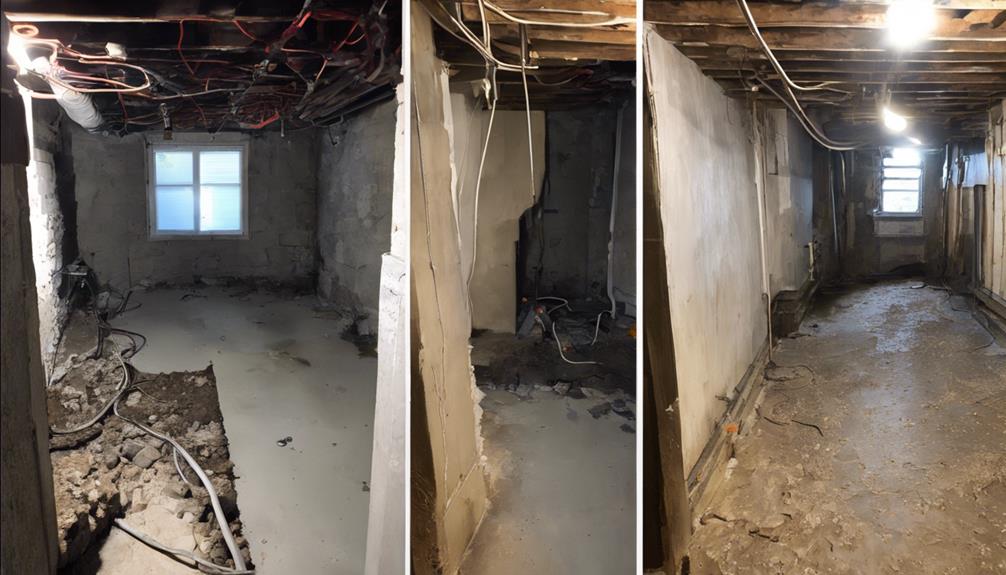
A thorough home inspection is vital to uncovering potential issues that can save homeowners from costly repairs, guarantee safety, and provide peace of mind. During an inspection, major red flags such as mold detection and pest infestation signs are identified early on. Hidden dangers in older homes, including lead paint and asbestos, are also uncovered. The inspection process covers the roof and exterior, plumbing and water damage issues, electrical system and safety, foundations and structural concerns, and the HVAC system. From identifying cracks in the foundation to verifying wire age and grounding, a detailed inspection is essential. As you explore the importance of home inspections, you'll discover the key areas that require attention to ensure a safe and secure living space.
Identifying Major Red Flags Early
During the home inspection process, it's essential to identify major red flags early, as they can greatly impact the viability of the property and potentially save buyers from costly surprises down the road. One of the most critical aspects of a home inspection is mold detection. Mold can be a significant issue, causing health problems and damaging the structure of the property. A thorough inspection should include a detailed mold detection process, including visual examinations, moisture readings, and laboratory testing. This helps identify any mold growth, allowing buyers to negotiate repairs or credits or, in severe cases, walk away from the deal.
Another critical red flag is pest infestation. Termites, carpenter ants, and rodents can cause significant damage to a property's structure and foundation, leading to costly repairs. A home inspector should carefully examine the property for signs of pest infestation, including damage to wood, droppings, and nesting materials. Early detection of pest infestation can save buyers from costly surprises and help them make informed decisions about the property. By identifying major red flags like mold detection and pest infestation early in the inspection process, buyers can avoid costly surprises and make informed decisions about their investment. A thorough home inspection can provide buyers with the knowledge they need to navigate the home-buying process with confidence.
Hidden Dangers in Older Homes
In addition to detecting mold and pest infestations, home inspectors must also be aware of the unique challenges posed by older homes, which can harbor hidden dangers that may not be immediately apparent. Older homes can conceal risks that may not be immediately visible, making it essential for inspectors to be vigilant and knowledgeable about the potential hazards that lie beneath the surface. Furthermore, inspectors should consider the condition of electrical systems and plumbing, which may not meet current safety standards due to outdated materials and practices. Additionally, understanding the importance of local labor laws is crucial, as they govern renovations and repairs that may impact the home’s integrity. This compliance ensures that any work done is safe and up to code, ultimately protecting the homeowner’s investment and well-being.
Some of the hidden dangers that inspectors should be aware of in older homes include:
- Lead paint: Homes built before 1978 may contain lead-based paint, which can pose serious health risks, especially for young children and pregnant women. Inspectors should be trained to identify signs of lead paint and recommend proper remediation methods.
- Asbestos presence: Older homes may contain asbestos in insulation, flooring, or ceiling tiles, which can be a major health hazard if disturbed. Inspectors should know how to identify asbestos-containing materials and recommend safe removal procedures.
- Outdated electrical and plumbing systems: Older homes may have outdated electrical and plumbing systems that can be fire hazards or cause water damage. Inspectors should be able to identify these potential risks and recommend necessary upgrades or repairs.
Inspecting the Roof and Exterior
Examining the roof and exterior of a home is an essential part of the home inspection process, as these areas are often prone to damage and deterioration. The roof, in particular, is a critical component that requires close attention, as even minor issues can lead to significant problems down the line. A thorough inspection should assess the condition of roofing materials, flashing, and chimneys, as well as evaluate the roof's ventilation system to guarantee adequate airflow and prevent moisture buildup. Proper roof ventilation is vital to prevent premature aging, reduce energy costs, and avoid structural damage.
Moving on to the exterior, inspectors should carefully examine the condition of exterior walls, windows, and doors, as well as the overall landscaping. Exterior landscaping can have a significant impact on the home's overall integrity, as poor drainage or grading can lead to water accumulation and foundation issues. Inspectors should look for signs of erosion, settlement, or water damage, which can indicate more severe underlying problems. Additionally, they should assess the condition of exterior components such as siding, trim, and gutters, which can be indicative of larger issues if damaged or deteriorated. By thoroughly inspecting the roof and exterior, homebuyers can gain a detailed understanding of the property's condition and make informed decisions about their purchase.
Plumbing and Water Damage Issues
When inspecting a home's plumbing system, it is essential to identify potential issues that can lead to costly repairs and safety hazards. A thorough examination of faucets, fixtures, and pipes can reveal signs of leakage, corrosion, and hidden water damage. By scrutinizing these critical components, home inspectors can uncover potential problems before they escalate into major concerns.
Leaky Faucets and Fixtures
Faulty faucets and fixtures can be a critical source of water damage, silently dripping away beneath the surface, waiting to release a torrent of trouble on unsuspecting homeowners. What may seem like a minor issue can quickly escalate into a costly and time-consuming repair. It is vital to identify and address these problems early on to prevent further damage.
During a home inspection, it is important to examine faucets and fixtures for signs of wear and tear, corrosion, or mineral buildup. Look for:
- Drips and leaks: Check for moisture around faucets, drains, and water supply lines.
- Corrosion and rust: Inspect for signs of corrosion on faucet aerators, drain assemblies, and pipes.
- Mineral buildup: Check for limescale deposits or hard water stains on faucets and fixtures.
Regular faucet maintenance and timely fixture replacement can help prevent water damage and maintain a safe and functional plumbing system. By being proactive, homeowners can avoid costly repairs and maintain a safe and healthy living environment.
Hidden Water Damage Signs
Behind walls, beneath floors, and above ceilings, hidden water damage signs can lurk undetected, waiting to bring about devastating consequences if left unchecked. Water damage can lead to structural issues, mold growth, and even health hazards. It is vital to identify these hidden signs to mitigate potential risks.
| Hidden Water Damage Signs | Indications |
|---|---|
| Water Stains | Discoloration on walls, ceilings, or floors |
| Musty Odors | Unpleasant, damp smells in specific areas |
| Warped Flooring | Buckling, cupping, or uneven flooring |
| Peeling Paint | Flaking or bubbling paint on walls or ceilings |
During a home inspection, it is essential to look for these subtle signs of water damage. Water stains, musty odors, warped flooring, and peeling paint can indicate hidden water damage. A thorough inspection can help identify these issues, allowing homeowners to address them before they escalate into more significant problems. By recognizing these hidden signs, homeowners can take proactive measures to prevent costly repairs and maintain a safe and healthy living environment.
Corroded Pipe Inspection
Corroded pipes can lead to catastrophic consequences, including extensive water damage, mold growth, and even health hazards, making a thorough examination of plumbing systems an essential component of a detailed home inspection. A corroded pipe inspection is vital in identifying potential issues before they escalate into costly repairs.
During the inspection, the home inspector should examine the pipe material, paying close attention to signs of corrosion, such as rust or flaking. The inspector should also investigate leak patterns, including the location, size, and frequency of leaks, to determine the source and severity of the issue.
- Inspectors should check for signs of pipe corrosion, including rust, flaking, or pitting on the pipe surface.
- They should investigate the type of pipe material used, as some materials are more prone to corrosion than others.
- Inspectors should also examine the pipe's joints and connections, as these areas are common sites for corrosion and leaks.
Electrical System and Safety
When evaluating the electrical system, a thorough home inspection should focus on several critical areas to guarantee the safety of occupants. The condition of outlets and switches, potential grounding and wiring issues, and overloaded circuit breakers are all essential aspects to assess. By examining these key points, inspectors can identify potential electrical hazards and provide recommendations for necessary repairs or upgrades.
Outlet and Switch Condition
The electrical system's outlet and switch condition is a critical aspect of a home inspection, as faulty or outdated components can pose a significant threat to the safety of occupants. A thorough examination of outlets and switches can reveal potential hazards, such as overheating, arcing, or electrical shock. During an inspection, it's essential to assess the overall condition of outlets and switches, including their functionality and durability.
Some key areas to focus on include:
- Outlet functionality: Are outlets providing consistent power, or are they loose or worn out? Are there any signs of overheating, such as burn marks or melted plastic?
- Switch durability: Are switches operating smoothly, or are they faulty or worn out? Are there any signs of arcing or sparking?
- Physical condition: Are outlets and switches securely fastened to the wall, or are they loose or damaged? Are there any signs of water damage or corrosion?
Grounding and Wiring Issues
Inadequate grounding and wiring issues can lead to a plethora of electrical hazards, making them a critical component of the home inspection process. A thorough examination of the electrical system can help identify potential risks, including the likelihood of electrical fires. Wire age is a significant factor in determining the system's reliability, as older wires may be more prone to degradation and malfunction. A home inspector should carefully examine the wiring system, paying attention to signs of wear, corrosion, or damage. Any exposed or frayed wires, overheated connections, or improperly installed wiring can be indicative of a larger issue.
Moreover, inadequate grounding can lead to electrical shocks, further emphasizing the importance of a detailed inspection. A home inspector should verify that all electrical components, including outlets, switches, and appliances, are properly grounded to prevent electrical shocks and fires. By identifying and addressing grounding and wiring issues, homeowners can greatly reduce the risk of electrical hazards, ensuring a safer living environment. A thorough home inspection can provide valuable insights into the electrical system, empowering homeowners to take proactive measures to prevent electrical fires and maintain a safe and secure home.
Overloaded Circuit Breakers
Circuit breakers pushed beyond their capacity can spark a cascade of electrical hazards, making overloaded circuit breakers a critical safety concern that demands attention during a home inspection. When circuit breakers are overloaded, they can lead to electrical shocks, fires, and even fatalities. It is essential to identify overloaded circuit breakers to prevent these hazards and guarantee the safety of occupants.
Some common signs of overloaded circuit breakers include:
- Tripped circuit breakers: Frequent tripping of circuit breakers can indicate an overloaded electrical system.
- Warm or hot outlets: Overheated outlets or switches can be a sign of excessive electrical load.
- Flickering lights: Flickering lights can indicate an overloaded circuit, which can lead to electrical fires.
It is vital to assess the circuit capacity and perform regular breaker maintenance to prevent overloaded circuit breakers. A thorough home inspection can identify potential electrical hazards, allowing homeowners to take corrective measures to ensure a safe and secure living environment. By prioritizing electrical safety, homeowners can avoid potential disasters and create a safer home.
Foundations and Structural Concerns
Every home, regardless of age or construction type, is only as strong as its foundation, which is why a thorough examination of this critical component is essential. A home's foundation is responsible for transferring the weight of the structure to the ground, and any defects or damage can have far-reaching consequences. During a home inspection, the foundation should be carefully examined for signs of distress, such as cracks in walls, floors, and ceilings.
Soil settlement is a common issue that can cause foundations to shift and crack, leading to structural concerns. This can be caused by a variety of factors, including poor soil compaction, inadequate drainage, or natural settlement over time. A home inspector should look for signs of soil settlement, such as uneven floors, doors that stick, or cracks in walls and ceilings. Cracking patterns can also provide valuable clues about the foundation's condition. For example, hairline cracks may indicate minor settlement, while larger cracks can signal more serious structural issues.
A thorough evaluation of the foundation should also include an examination of the crawl space or basement, where signs of water damage, termite activity, or other issues may be present. By identifying potential problems early, homeowners can take corrective action to prevent more costly repairs down the line. A detailed home inspection can provide peace of mind and help ensure the long-term integrity of the home.
Inspecting the HVAC System
As a critical component of a home's overall comfort and energy efficiency, the heating, ventilation, and air conditioning (HVAC) system demands a thorough examination during a home inspection to uncover any potential issues or needed repairs. A well-functioning HVAC system not only provides a comfortable living space but also helps to improve indoor air quality and reduce energy consumption.
During the inspection, the following key areas should be evaluated:
- Filter maintenance: Check the condition and cleanliness of air filters, ensuring they are replaced regularly to maintain ideal air quality and system efficiency.
- Ductwork and venting: Inspect the ducts and vents for signs of damage, rust, or corrosion, which can compromise air quality and system performance.
- System performance: Assess the system's ability to heat and cool the home efficiently, taking note of any unusual noises, leaks, or other indications of malfunction.
A thorough HVAC inspection can help identify potential issues before they become major problems, saving homeowners from costly repairs and ensuring a comfortable and healthy living environment. By prioritizing HVAC system inspections, homeowners can enjoy improved air quality, reduced energy bills, and a more comfortable living space.
Frequently Asked Questions
Can I Perform a Home Inspection Myself or Do I Need a Professional?
The temptation to DIY a home inspection is understandable, but attempting to navigate the complexities of plumbing, electrical, and structural systems solo is akin to performing open-heart surgery on oneself. The harsh reality is that DIY limitations can lead to costly oversights. Instead, entrust a Professional with the necessary credentials, training, and expertise to uncover hidden defects and provide a thorough assessment, ensuring a safe and informed home purchase decision.
How Long Does a Typical Home Inspection Take to Complete?
The duration of a home inspection varies depending on the property's size, age, and complexity. On average, a typical inspection takes around 2-4 hours to complete. The inspection timeline can be influenced by factors such as the inspector's schedule and the number of inspectors on site. Effective inspector scheduling is essential to guarantee a thorough and efficient inspection process. A well-planned inspection timeline allows for a detailed evaluation of the property, providing buyers with a detailed report of the property's condition.
Are Home Inspections Only Necessary for Older Homes or New Builds?
While it's true that older homes may harbor hidden defects, home inspections are not limited to resale properties. In fact, new construction also benefits from a thorough inspection. A professional inspector can identify potential issues with construction, ensuring that the builder addresses them before finalizing the sale. New construction inspections can reveal defects in workmanship, material quality, and code compliance, providing buyers with added assurance and resale benefits down the line.
Can a Home Inspection Uncover Hidden Defects or Only Visible Issues?
Consider the case of the Smiths, who thought they'd found their dream home, only to discover hidden water damage behind the walls after moving in. A home inspection can uncover both visible and hidden defects, including structural integrity issues that may not be immediately apparent. A thorough inspection can identify hidden dangers, such as termite damage, foundation cracks, or faulty electrical wiring, allowing buyers to make informed decisions and avoid costly surprises down the road.
Do Home Inspectors Also Evaluate the Property's Value or Just Condition?
In a home inspection, the main focus is on evaluating the property's condition, not its value. Home inspectors assess the property's systems and components, identifying defects and needed repairs. They do not provide an appraisal or market analysis, which are specialized services that determine a property's value using appraisal methods and market analysis. Inspectors and appraisers serve distinct roles, ensuring that buyers and sellers have a thorough understanding of a property's condition and worth.