Finding the perfect rental property requires a strategic approach that balances your priorities, lifestyle needs, and budget constraints. Start by setting clear priorities, researching neighborhoods, and identifying must-haves. Evaluate property listings carefully, paying attention to details and landlord reputation. Visit potential rentals in person to assess condition, layout, and amenities. Conduct a thorough inspection to reveal hidden issues and document your observations. By following these steps, you'll be well on your way to finding the perfect rental property that meets your needs. Continue to refine your search and make an informed decision with confidence.
Set Your Rental Priorities
Before beginning your rental property search, take a step back to identify and prioritize your non-negotiables, nice-to-haves, and deal-breakers to guarantee you find a rental that meets your unique needs and lifestyle. This pivotal step sets the foundation for a successful rental search, ensuring you don't waste time viewing unsuitable properties.
Determine your budget constraints by calculating how much rent you can afford to pay each month. Consider your income, expenses, and savings goals to establish a realistic rental budget. Next, define your rental goals: are you looking for a short-term lease or a long-term rental? Are you open to a roommate situation or do you require a solo occupancy? Clarify your lifestyle needs, such as proximity to work, public transportation, or amenities like a gym or pool.
Personal preferences also play a significant role in your rental search. Do you prioritize a modern, sleek design or a cozy, vintage atmosphere? Are you willing to compromise on square footage for a prime location? By prioritizing your needs and wants, you'll create a clear vision of your ideal rental property. This clarity will streamline your search, saving you time and energy in the long run. By setting your rental priorities, you'll be well on your way to finding the perfect rental property that aligns with your unique lifestyle and needs.
Research Neighborhoods and Areas
When researching neighborhoods and areas, it's vital to take into account the community and demographics to guarantee a comfortable living environment. Additionally, assessing local amenities and services, such as public transportation, schools, and shopping centers, can greatly impact your quality of life. Moreover, understanding the crime rate and safety of an area is essential to making an informed decision about a rental property.
Community and Demographics
As you start your search for the perfect rental property, it is important to research the community and demographics of potential neighborhoods to ensure a comfortable and convenient living environment. Understanding the community and demographics of a neighborhood can greatly impact your quality of life, making it essential to explore further into the local culture and population makeup.
When researching community and demographics, consider the cultural diversity of the neighborhood. Is it a melting pot of different cultures, or does it lean towards a specific ethnic group? This can be a critical factor for those who value diversity and inclusivity. Additionally, examine the age ranges of the local population. Are you looking for a family-friendly neighborhood with a strong presence of young families, or perhaps a more senior-dominated community? Knowing the age demographics can help you determine if the neighborhood aligns with your lifestyle and preferences.
Local Amenities and Services
When researching neighborhoods and areas, explore the availability and quality of local amenities and services that cater to your lifestyle, such as proximity to public transportation, grocery stores, schools, and recreational facilities. A convenient location with access to public transportation can greatly impact your daily commute and overall quality of life. Additionally, consider the proximity to healthcare options, including hospitals, clinics, and medical centers, to make sure you're well taken care of in case of an emergency. Fitness enthusiasts will appreciate the presence of fitness centers and recreational facilities, such as parks, gyms, and yoga studios. Pet owners should also look into pet services, including pet grooming, walking, and daycare options. Moreover, the availability of local grocers, farmers' markets, and community-supported agriculture programs can greatly impact your food choices and sustainability. Finally, research the area's community events, such as farmers' markets, concerts, and street fairs, to get a sense of the neighborhood's vibe and community engagement. By evaluating these local amenities and services, you can find a rental property that truly fits your lifestyle and needs.
Crime Rate and Safety
In tandem with evaluating local amenities and services, it is essential to scrutinize the crime rate and safety of a neighborhood, as a rental property's surroundings can greatly impact your personal safety and sense of well-being. A thorough examination of crime statistics and police response times is pivotal in determining the safety of a potential rental property. You can access crime data through online platforms, such as Crime Maps or the FBI's Uniform Crime Reporting (UCR) Program. Additionally, drive through the neighborhood at different times of day to observe the area's activity and overall atmosphere.
It's also important to look for signs of a strong community presence, such as active Neighborhood Watch programs, which can significantly contribute to a safer living environment. Additionally, inquire about the police response times and their approach to addressing concerns in the area. A swift and effective police response can greatly enhance the sense of security and well-being. By carefully evaluating the crime rate and safety of a neighborhood, you can make an informed decision about the suitability of a rental property, ensuring a comfortable and secure living experience.
Identify Your Must-Haves
Defining your non-negotiable requirements at the outset will greatly streamline your rental property search. By identifying your must-haves, you'll save time and energy by focusing on properties that meet your essential criteria. This exercise will also help you prioritize your needs and wants, ensuring you find a rental property that aligns with your lifestyle and budget.
To get started, consider the following key factors:
| Category | Must-Have | Nice-to-Have |
|---|---|---|
| Budget | Rent within budget constraints | Utilities included |
| Location | Proximity to work/public transport | Walking distance to amenities |
| Amenities | In-unit laundry | Pool/gym facilities |
| Space | 2 bedrooms | Office/study area |
| Safety | Gated community | On-site security |
When evaluating your must-haves, consider your lifestyle preferences and budget constraints. Ask yourself: What are my non-negotiables? Do I need to be close to public transport or have a backyard for my pet? By prioritizing your must-haves, you'll be able to filter out properties that don't meet your essential criteria, saving you time and energy in the long run.
Evaluate Property Listings Carefully
With hundreds of rental properties vying for attention, it's important to develop a discerning eye for property listings to sift out the gems from the duds. A thorough evaluation of property listings is vital in finding the perfect rental property that meets your needs. When scouring through listings, pay attention to the quality of the photographs and descriptions. Be wary of listings with low-quality or few photos, as this could be a sign of the landlord trying to hide something.
Look for listings that offer virtual tours, which can give you a more immersive experience and a better sense of the property's layout and condition. Also, scrutinize the listing's accuracy, checking for consistency in the information provided. Be cautious of listings with contradictory or incomplete information, as this could indicate a lack of transparency or honesty from the landlord.
Additionally, research the landlord or property management company to make sure they have a good reputation and a track record of maintaining their properties. Verify the listing’s details, such as the rent, amenities, and lease terms, to avoid any misunderstandings. By carefully evaluating property listings, you can greatly narrow down your search and improve your chances of finding the perfect rental property that meets your needs and budget. Furthermore, consider seeking out online reviews and testimonials from previous tenants to gain insights into the landlord’s responsiveness and adherence to maintenance schedules. It may also be beneficial to consult with a real estate agent who specializes in rentals, as they can provide valuable information and tips for effective rental management. By doing thorough research and due diligence, you can ensure a smoother and more satisfactory renting experience.
Visit Potential Rentals In Person
When searching for the ideal rental property, it is essential to visit potential rentals in person to get a firsthand impression. This step allows you to assess the property's condition, layout, and amenities, ensuring it meets your needs and expectations. By doing so, you can gather valuable information that will help you make an informed decision about your future home.
Inspect the Property Thoroughly
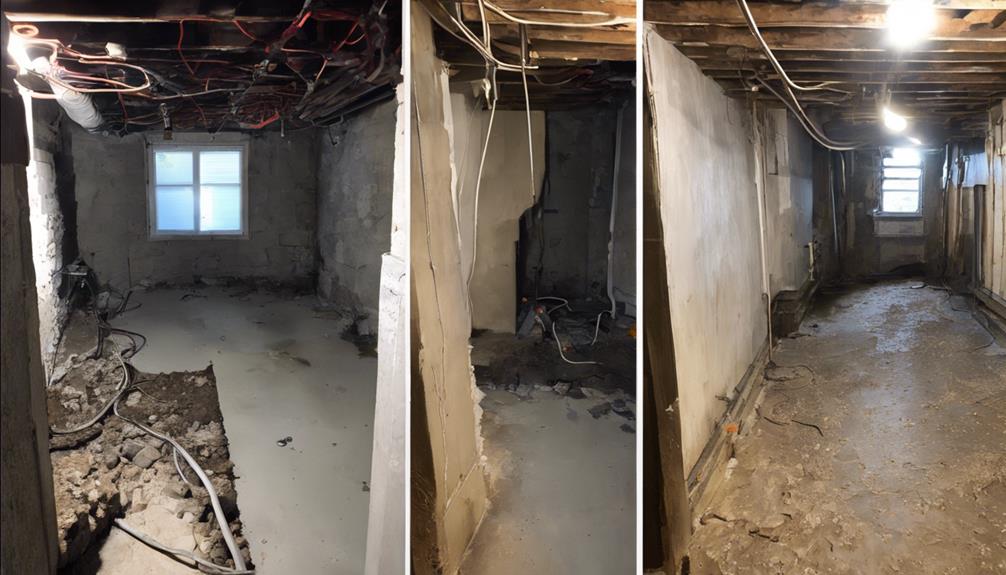
A comprehensive walk-through of a potential rental property can reveal hidden gems or deal-breakers, making it essential to inspect the property in person. This step is vital in identifying any underlying issues that may impact your quality of life or budget. As you walk through the property, pay attention to any signs of structural flaws, such as cracks in the walls, uneven floors, or water stains on the ceiling. These could indicate more serious problems with the foundation, plumbing, or electrical system. Additionally, inspect the property for cosmetic damages, such as scratches on the walls, broken tiles, or worn-out carpets. While these issues may not be deal-breakers, they can affect the overall aesthetic appeal and functionality of the space. Take note of any musty odors, signs of pest infestation, or inadequate ventilation, as these can impact your health and comfort. By conducting a thorough inspection, you can make an informed decision about whether the property is the right fit for you.
Take Photos and Notes
Documenting your observations during the walk-through is essential, as it allows you to reference specific details later and compare properties. To guarantee a thorough documentation, take photos of each room, including closets and storage areas, from multiple camera angles. This will provide a detailed visual record of the property's condition. Additionally, pay attention to natural light, outlet placement, and any signs of wear or damage.
While taking photos, also employ effective journaling techniques to record your observations. Make note of any must-haves or deal-breakers, such as the condition of appliances or the noise level. Record the measurements of rooms, doorways, and windows to ensure your furniture will fit comfortably. Jot down any questions or concerns that arise during the walk-through, and address them with the landlord or property manager. By combining visual and written documentation, you'll create a thorough record of each property, making it easier to compare and contrast options later.
Ask the Landlord Questions
During the in-person visit, prioritize asking the landlord or property manager targeted questions that clarify any concerns or uncertainties, ensuring you've gathered all necessary information to make an informed decision.
Some essential questions to ask include:
- What are the lease terms, and are there any penalties for early termination?
- Is the property under rent control, and if so, what are the implications for rent increases?
- Can you provide a property history, including any past issues or maintenance concerns?
- What is your reputation as a landlord, and can you provide references from previous tenants?
- How is property management handled, and what is the process for reporting maintenance requests or issues?
Read and Understand Leases
How carefully reviewing a lease agreement can save you from potential headaches and financial losses down the line. A thorough understanding of the lease terms is vital to avoid disputes and promote a harmonious landlord-tenant relationship.
When reviewing a lease, it's essential to decipher the lease jargon and focus on critical clauses that may impact your tenancy. Pay attention to the rent control provisions, as they can greatly affect your financial planning. Are there any rent increase caps or guidelines for rent adjustments? Clarify the notice period for rent changes and the procedure for disputes.
Furthermore, scrutinize the lease duration, renewal options, and termination clauses. What are the consequences of breaking the lease, and are there any penalties involved? Are there any restrictions on subletting, pets, or guests? Understanding these terms will help you navigate potential issues and avoid costly surprises.
Frequently Asked Questions
Can I Negotiate the Rent With the Landlord?
When inquiring about potential rent reduction strategies, it's essential to understand landlord psychology. Landlords often have flexibility in their pricing, especially if the property has been on the market for an extended period. Approach the conversation by highlighting the benefits of a long-term lease or offering to sign a lease during the off-season. By doing so, you may be able to negotiate a more favorable rent. Be respectful, yet assertive, and be prepared to walk away if the terms aren't satisfactory.
What if I Have a Bad Credit History?
"When the past comes knocking, can your credit history hold the door? Having a bad credit history can be a significant obstacle, but it's not an insurmountable one. Consider credit repair strategies to improve your score over time. Alternatively, co-signer options can provide a temporary solution. By exploring these avenues, you can still secure a rental property that meets your needs, even with a less-than-stellar credit history."
How Do I Get My Security Deposit Back?
To guarantee the return of your security deposit, it's crucial to understand the process and your responsibilities. Begin by reviewing your lease agreement to comprehend the terms and conditions. Conduct a thorough document review to make sure you're meeting all obligations. Schedule a move-out inspection with your landlord, allowing them to assess the property's condition. By following these steps, you can increase the likelihood of a successful security deposit refund.
Can I Sublease the Rental Property?
As you navigate the rental landscape, a subtle yet important question emerges: can you sublease the rental property? Like a thread weaving through a tapestry, a sublease can provide a safety net, offering benefits such as reduced financial burdens and increased flexibility. However, it's essential to acknowledge the weight of your lease obligations, ensuring that any sublease arrangement aligns with the original agreement, lest you unravel the very fabric of your tenancy.
What if I Need to Break the Lease Early?
When faced with the necessity of breaking a lease early, it's essential to understand the implications of early termination. Review your lease agreement to determine the stipulated lease penalties for premature termination. These penalties can include additional fees, rent acceleration, or even lawsuits. Negotiate with your landlord to reach a mutually agreeable solution, such as finding a replacement tenant or offering to pay a portion of the remaining rent.