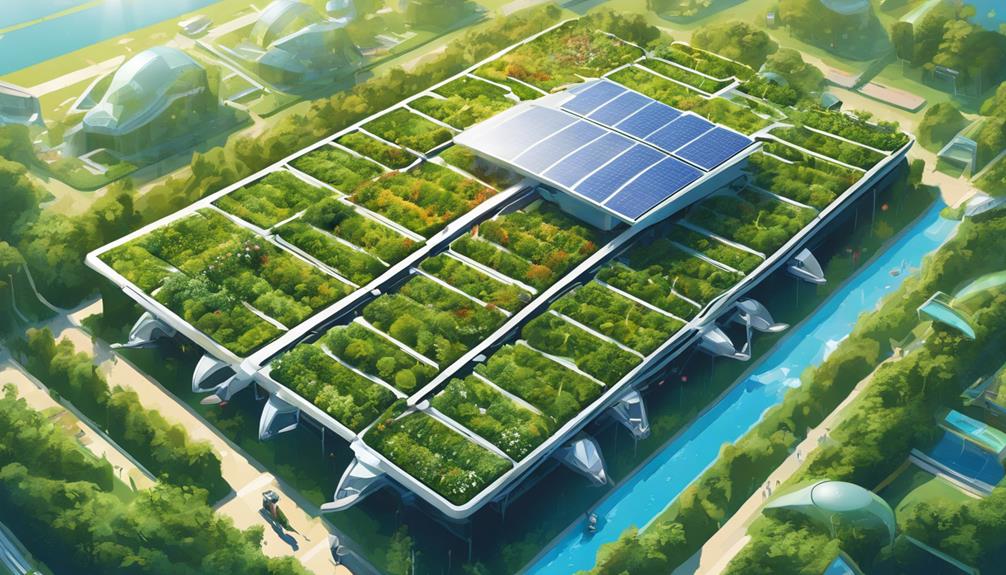
As the world shifts to a low-carbon economy, the future of renewable energy relies on the rapid advancement and integration of innovative technologies. Solar energy is being harnessed through solar windows and space-based energy collection, while wind power is being revolutionized through aerodynamic innovations and AI optimization. Hydrogen fuel cells offer a zero-emission solution for energy storage and transportation, and geothermal energy boasts hidden advantages for future energy needs. Bioenergy, meanwhile, promises sustainable energy production from organic matter. As the energy landscape continues to evolve, new possibilities and opportunities are emerging, paving the way for a cleaner, more sustainable future ahead.
Harnessing Solar Energy's Full Potential
Rapidly advancing technologies are harnessing the vast potential of solar energy, enabling the widespread adoption of this clean and virtually limitless source of power. One such innovation is Solar Windows, which integrate photovoltaic cells into building windows, generating electricity while still allowing light to pass through. This breakthrough technology has the potential to turn any window into a power-generating surface, revolutionizing the way we think about urban energy harvesting.
Another area of research is Space-Based solar energy, where satellites equipped with solar panels can collect energy in orbit and beam it back to Earth as microwave beams. This technology has the potential to provide a constant and reliable source of energy, unaffected by weather patterns or seasonal changes. Additionally, Space-Based solar energy can be used to power remote or off-grid locations, where traditional energy infrastructure is lacking.
As the world shifts towards a low-carbon economy, harnessing solar energy's full potential is vital. With continued advancements in technologies like Solar Windows and Space-Based solar energy, we can tap into the vast potential of this renewable energy source. The future of solar energy is bright, and it is imperative that we continue to invest in research and development to realize its full potential. By doing so, we can create a sustainable energy future, powered by the limitless energy of the sun.
Wind Power's Emerging Technologies
As the solar energy landscape continues to evolve, another renewable energy source, wind power, is also undergoing a significant metamorphosis, driven by emerging technologies that are redefining its capabilities and potential. Wind power's emerging technologies are revolutionizing the industry, enabling more efficient and effective energy harvesting.
Aerodynamic innovations are at the forefront of this transformation. Advances in turbine design and blade materials are increasing energy production while reducing costs. Turbine upgrades, such as larger rotors and higher hubs, are allowing for more efficient energy capture. These advancements are making wind power a more competitive and viable option for countries seeking to shift to renewable energy sources.
Some notable developments in wind power technology include:
- *Advanced blade designs that reduce wind resistance and increase energy capture*
- *Turbine upgrades that enable more efficient energy production*
- *Integration of artificial intelligence and machine learning to optimize turbine performance*
- *Development of floating wind turbines for offshore energy harvesting*
These innovations are poised to transform the wind power industry, enabling the widespread adoption of renewable energy and reducing our reliance on fossil fuels. As the industry continues to evolve, we can expect to see even more innovative solutions emerge, propelling us closer to a sustainable energy future.
Hydrogen Fuel Cells: The Future
Hydrogen fuel cells are moving towards a low-carbon future and are stepping up to take center stage as a game-changing technology, poised to revolutionize the way we think about energy storage and transportation. As the world shifts towards a cleaner, more sustainable energy landscape, hydrogen fuel cells are emerging as a key player in the renewable energy mix. By converting chemical energy into electrical energy, hydrogen fuel cells offer a zero-emission solution for powering vehicles, buildings, and even entire communities.
One of the most significant advantages of hydrogen fuel cells lies in their potential for grid integration. By feeding excess energy back into the grid, fuel cells can stabilize the electrical grid, providing a reliable and efficient source of power. Additionally, hydrogen fuel cells can also serve as an energy storage solution, allowing for the storage of excess energy generated by renewable sources like solar and wind power. This enables a more efficient use of renewable energy, reducing waste and maximizing output.
As the world continues to move towards a low-carbon future, hydrogen fuel cells are poised to play a critical role. With their ability to provide clean, reliable energy, fuel cells are set to revolutionize the way we think about energy storage and transportation. As the technology continues to evolve, it's clear that hydrogen fuel cells will be a key component of the future of renewable energy.
Geothermal Energy's Hidden Advantages
I'd like to highlight that geothermal energy, often overlooked in discussions of renewable energy, boasts a range of hidden advantages that make it an increasingly attractive option for powering our future. Despite being a reliable and clean source of energy, geothermal energy has historically been underutilized. However, recent advancements in Enhanced Drilling technology have made it possible to access previously inaccessible geothermal resources, revealing new potential for this renewable energy source.
Some of the key benefits of geothermal energy include:
- Reliability: Geothermal power plants can operate at a capacity factor of 90% or higher, making them more reliable than many other forms of renewable energy.
- Scalability: Geothermal energy can be generated on a small or large scale, making it suitable for both rural and urban areas.
- Rural Electrification: Geothermal energy can provide electricity to remote and rural areas, promoting energy access and economic development.
- Low Visual Impact: Geothermal power plants have a minimal visual footprint, making them an attractive option for areas where aesthetics are a concern.
Bioenergy's Sustainable Promises
Bioenergy, derived from organic matter such as plants, algae, or agricultural waste, offers a promising avenue for sustainable energy production, particularly in sectors where fossil fuels are currently dominant. This renewable energy source has the potential to greatly reduce greenhouse gas emissions and mitigate climate change. One of the most promising forms of bioenergy is Cellulosic Ethanol, which is produced from plant biomass such as corn stalks, sugarcane, or switchgrass. This advanced biofuel has the potential to replace traditional fossil fuels in the transportation sector, reducing emissions by up to 80%.
Another area of bioenergy that holds great promise is Algae Farms. These farms cultivate algae, which can be converted into biofuels, providing a low-carbon alternative to traditional fossil fuels. Algae Farms have the added benefit of requiring minimal land, water, and nutrients, making them a highly sustainable option. Additionally, algae can be grown on marginal lands, reducing competition with food crops and preserving biodiversity.
Bioenergy has the potential to play a significant role in the shift to a low-carbon economy. As technology continues to advance, the production of bioenergy is becoming increasingly efficient and cost-effective. With continued investment and innovation, bioenergy can help pave the way for a sustainable energy future.
Frequently Asked Questions
What Percentage of Global Energy Currently Comes From Renewable Sources?
Currently, renewable energy sources account for approximately 26% of the global energy mix. This significant share is a reflection of the ongoing Green Revolution, which prioritizes sustainable power generation. As the world shifts away from fossil fuels, the proportion of renewable energy is poised to increase. Importantly, this growth is driven by declining costs and technological advancements in solar, wind, and hydroelectric power, paving the way for a cleaner, more sustainable energy future.
Can Renewable Energy Fully Replace Fossil Fuels by 2050?
As the tide of climate change rises, the question looms: can renewable energy fully replace fossil fuels by 2050? While the goal is ambitious, it's a challenging horizon to reach. To get there, we need to prioritize Energy Security, ensuring a stable supply of clean power. Implementing effective Carbon Pricing mechanisms will also be vital, as it would create a level playing field for renewables to flourish. With concerted global efforts, a fossil fuel-free future is possible, but it requires immediate, collective action.
How Do Energy Storage Costs Affect Renewable Energy Adoption?
The cost of energy storage has a substantial impact on the widespread adoption of renewable energy. As energy storage costs decline, it becomes more economically viable to integrate intermittent renewables into the grid, achieving Grid Parity. The current Cost Trajectory suggests that energy storage costs will continue to decrease, making renewables more competitive with fossil fuels. This trend is essential for accelerating the shift to a low-carbon economy.
Are Smart Grids Necessary for Widespread Renewable Energy Integration?
As the sun sets on traditional energy infrastructures, a new dawn breaks on the horizon – one where smart grids reign supreme. The question on everyone's lips: are they necessary for widespread renewable energy integration? The answer is a resounding yes. Smart grids provide grid resilience, ensuring seamless energy distribution and consumption. Additionally, they enable energy democratization, empowering consumers to become active participants in the energy market.
Can Renewable Energy Create More Jobs Than Lost in Fossil Fuel Industries?
As the global economy undergoes an economic shift towards renewable energy, concerns arise about job displacement in fossil fuel industries. However, research suggests that the green economy can create more jobs than those lost. A successful workforce transformation hinges on strategic planning and investment in training programs. The European Union's Energy Union initiative serves as a model, demonstrating that a well-managed conversion can yield a net gain in employment opportunities.