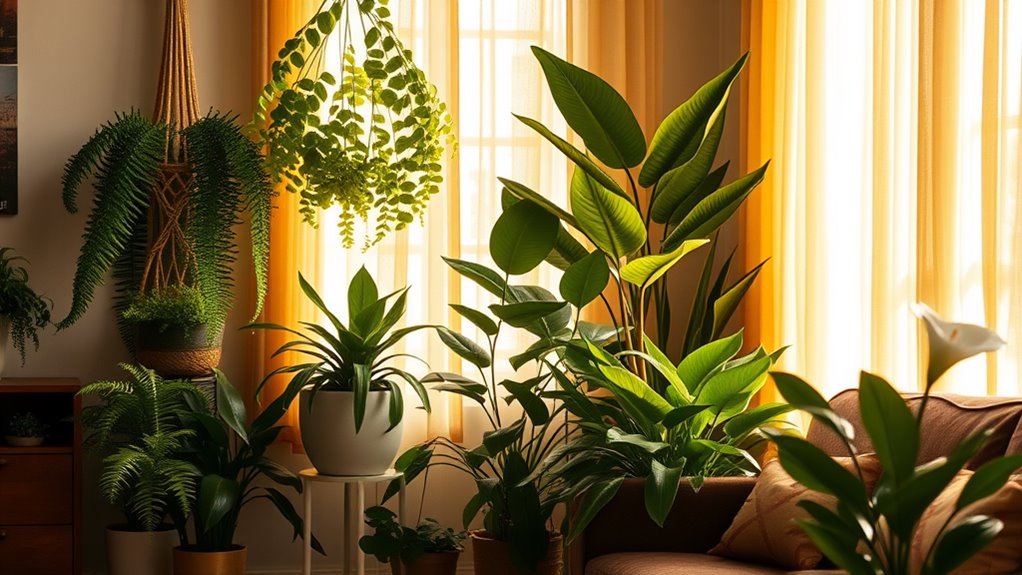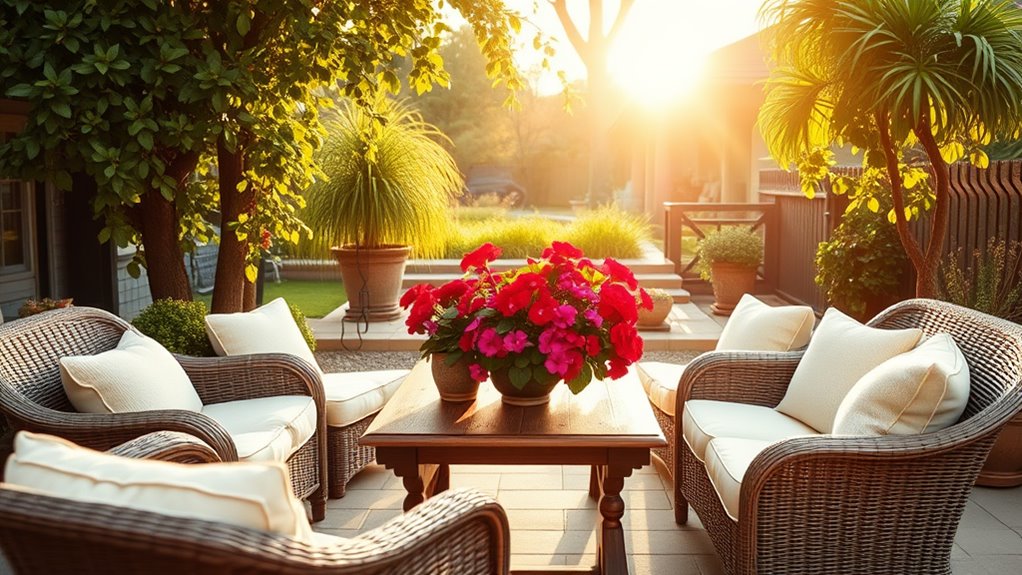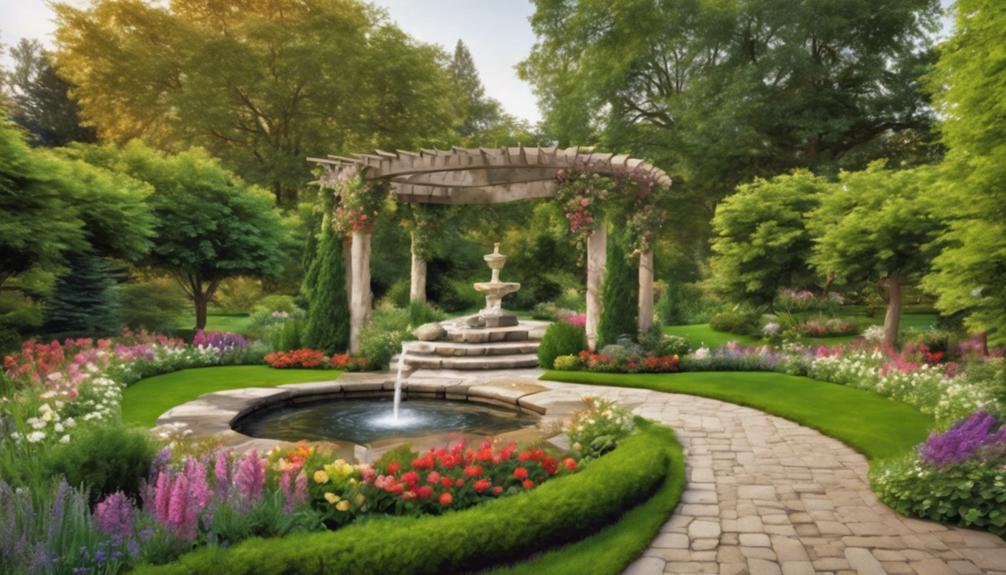
You're just a few intentional design decisions away from transforming your outdoor space into a stunning garden oasis that reflects your unique personality and style. Start by evaluating your yard, noting areas of full sun, partial shade, and full shade, and understanding how the sun's movement affects plant growth. Choose plants that fit your vision, considering sunlight, soil, and moisture levels. Balance softscape elements with hardscapes like paving and water features, and add decorative elements that reflect your style. With thoughtful planning, you'll create a harmonious outdoor oasis that's greater than the sum of its parts – and there's more to discover that'll help you get there.
Assessing Your Outdoor Space
Take stock of your outdoor space by walking around your yard, observing the natural surroundings, and identifying the areas that receive full sun, partial shade, or full shade. This essential step is the foundation of a stunning garden oasis. A thorough site analysis will help you understand how the sun's movement affects your yard throughout the day. Note the sun patterns, observing how the sun rises in the east and sets in the west. Identify the areas that receive direct sunlight for at least six hours a day, as these will be ideal for plants that thrive in full sun.
As you walk around your yard, take note of any obstructions, such as trees or buildings, that may cast shade. Consider the time of day and year, as sun patterns change with the seasons. A site analysis will also reveal any microclimates, areas with unique conditions that can affect plant growth. Perhaps there's a spot that's protected from harsh winds or receives extra moisture from a downspout.
Choosing the Right Plants
With your outdoor space assessed, you're ready to select plants that will thrive in your garden oasis, considering factors like sunlight, soil, and moisture levels. It's time to get personal with your plants, understanding their unique personalities and needs. You'll want to choose plants that not only complement each other but also your outdoor space.
When selecting plants, remember:
- Dramatic Divas: Statement plants that demand attention with their bold colors and striking features.
- Low-Maintenance Lovers: Plants that thrive with minimal care, perfect for busy gardeners.
- Romantic Whispers: Delicate, soft-hued plants that add a touch of elegance.
- Sun-Kissed Sweethearts: Plants that bask in the sun's warmth, bringing vibrant colors to your garden.
- Moody Mystiques: Plants with intriguing textures and shapes, adding depth to your outdoor space.
Consider your garden's color scheme when choosing plants. Do you prefer soft pastels, bold brights, or earthy tones? Think about the overall mood you want to create in your garden oasis. By selecting plants that align with your vision, you'll be well on your way to creating a stunning outdoor retreat that reflects your unique style and personality.
Hardscapes for Harmony
Now that you've selected plants that reflect your personal style, it's time to create a harmonious balance between your garden's softscape and hardscape elements. Hardscapes, including paving, walls, and water features, provide the framework for your outdoor space. By thoughtfully incorporating these elements, you'll create a cohesive look that elevates your garden to the next level.
When designing your hardscape, consider the paving patterns that will set the tone for your garden's overall aesthetic. Will you opt for a modern, geometric design or a more rustic, natural look? The choice is yours, but remember to balance your paving patterns with the softscape elements, like plants and trees, to avoid visual overload.
Water features, such as fountains or ponds, bring an added layer of serenity to your garden oasis. Not only do they create a soothing atmosphere, but they also provide a focal point that draws the eye and creates visual interest. By carefully integrating water features into your hardscape design, you'll create a sense of harmony and balance that will make your garden a true retreat.
Adding Decorative Elements
As you finalize your garden's hardscape and softscape elements, you're ready to inject personality into your outdoor space by incorporating decorative elements that reflect your unique style. This is where you get to have fun and express yourself! Adding decorative elements will create focal points, drawing the eye to specific areas of your garden. It's an opportunity to showcase your creativity and add a touch of whimsy.
Here are some ideas to get you started:
- Statues and sculptures: Add a touch of elegance or playfulness with sculptures that reflect your personal style.
- Lighting: Use string lights, lanterns, or uplighting to create ambiance and highlight your garden's best features.
- Water features: Incorporate a small fountain or birdbath to add visual interest and soothing sounds.
- Planters and urns: Use decorative planters to add a pop of color and texture to your garden.
- Outdoor art: Hang a wind chime, a mobile, or a mosaic to create a unique focal point.
Bringing It All Together
You've carefully selected each element, from hardscape to softscape to decorative flourishes, and now it's time to tie everything together. This is where you bring your vision to life, creating a cohesive and stunning garden oasis that exudes your unique garden personality.
To achieve this, consider the overall outdoor flow of your space. How do you want visitors to move through your garden? Do you want them to meander along winding paths or move directly to a focal point? This flow will help guide the placement of your elements, creating a sense of harmony and balance.
Next, think about the visual connections between elements. For example, how does the color palette of your flowers complement the hue of your outdoor furniture? Do the textures of your hardscape and softscape work in harmony? By considering these connections, you'll create a visually stunning space that's greater than the sum of its parts.
Frequently Asked Questions
How Often Should I Water My Plants During a Drought?
When a drought hits, you need to prioritize your plants' water intake. You should water them deeply but infrequently to encourage drought tolerance. Aim to provide about 1-2 inches of water per week, either from rain or irrigation. Be water-efficient by using mulch and fixing leaks. Avoid frequent shallow watering, as it can weaken roots. You'll be rewarded with resilient plants that thrive even in harsh conditions.
Can I Use Recycled Materials for My Garden's Hardscapes?
You're wondering if you can use recycled materials for your garden's hardscapes. The answer is, you're on the cusp of a revolution. Yes, you can repurpose materials, and it's a game-changer. Think repurposed brick, salvaged wood, and other reclaimed materials. By doing so, you'll not only reduce waste but also infuse your garden with character and depth. The result? A unique, eco-friendly oasis that exudes power and sophistication.
Will a Small Garden Still Benefit From a Focal Point?
You're wondering if a small garden still needs a focal point. Absolutely! A focal point creates visual interest, drawing your eye to a specific area. It helps you achieve your garden goals by creating a sense of harmony. Even in a small space, a striking feature like a statement plant, sculpture, or water feature will elevate the entire area, making it feel more dynamic and engaging.
How Do I Protect My Garden From Pests and Diseases Naturally?
You're like a hawk, scanning the horizon for threats to your garden's tranquility. To protect your haven from pests and diseases, you'll want to employ some natural ninja tactics. Try companion planting, where certain plants like marigolds and basil repel unwanted visitors. You can also whip up organic pesticides like neem oil and garlic sprays to keep the bad guys at bay. With these stealthy strategies, your garden will be a fortress of freshness.
Can I Create a Beautiful Garden on a Steep Slope?
You're not limited by a steep slope – you can create a beautiful garden that overcomes gravity! Start by stabilizing the slope with retaining walls or plantings that combat erosion. Then, employ terracing techniques to carve out flat areas for planting. You'll be amazed at how these strategies transform your slope into a thriving, multi-level oasis. With careful planning, you'll reveal the potential of your challenging terrain and reap the rewards of a stunning garden.