
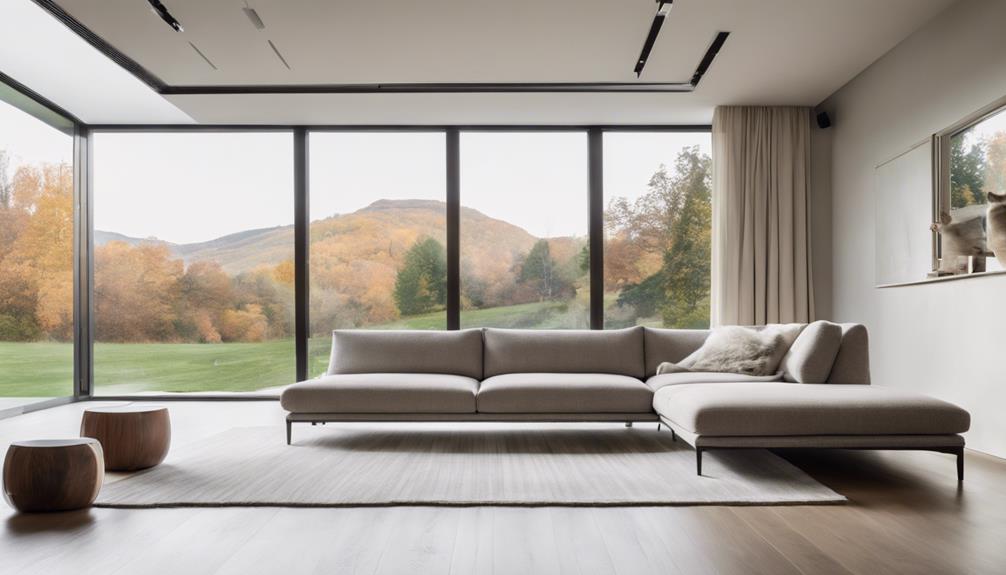
When downsizing your living space, it's essential to prioritize functionality without sacrificing comfort. Focus on essential items, repurpose furniture for multi-use, and optimize storage space by utilizing vertical shelves and multi-functional furniture. Invest in space-saving solutions, such as foldable designs and lightweight materials. Create a cozy atmosphere with warm lighting, soft textures, and personalized touches. By curating your belongings and selecting furniture with intent, you can maintain a functional and inviting environment. By adopting these strategies, you can create a comfortable and organized living space that meets your needs – and there's more to explore on this topic.
Focus on Essential Items Only
Typically, individuals who begin the downsizing journey find that reducing their belongings to only the essentials is an important step in achieving a more streamlined living space. This process requires a thoughtful and intentional approach to identify the Must Have Items that align with personal priorities. By doing so, individuals can create a living space that is functional, efficient, and tailored to their unique needs. As they simplify their possessions, many discover the freedom that comes from letting go of items that no longer serve a purpose, paving the way for a fresh start. This newfound clarity can also enhance the home buying process, leading to improved decision-making when it comes time to choose a new residence. For those embarking on this journey, exploring buying your first home tips can provide valuable insights to help shape a living environment that truly reflects their pared-down lifestyle.
To begin, it's essential to assess personal priorities and identify the items that bring the most value and comfort. This may include sentimental items, functional pieces, or items that serve multiple purposes. By categorizing belongings into 'must-haves,' 'nice-to-haves,' and 'can-live-withouts,' individuals can make intentional decisions about what to keep and what to let go of.
As individuals prioritize their belongings, they must consider their personal priorities and lifestyle. For example, a remote worker may require a dedicated home office, while a fitness enthusiast may prioritize a home gym. By focusing on the essentials, individuals can create a living space that supports their goals, values, and priorities. By letting go of non-essential items, individuals can simplify their living space, reduce stress, and create a more peaceful and organized environment. By focusing on Must Have Items that align with personal priorities, individuals can achieve a more streamlined living space that supports their overall well-being.
Repurpose Furniture for Multi-Use
When downsizing, it's essential to maximize space without compromising comfort. Repurposing furniture for multi-use is a clever way to achieve this, and it starts with designing dual-purpose spaces that serve more than one function. By choosing flexible furniture pieces that can adapt to different needs, homeowners can create a more efficient and comfortable living environment.
Dual-Purpose Spaces
How can you maximize the functionality of a small space without sacrificing comfort and style? One effective approach is to create dual-purpose spaces that serve multiple functions. This design strategy is particularly useful in downsizing, where every square foot counts.
By incorporating versatile layouts and shared living areas, you can create a functional and comfortable living space. Here are some ways to achieve this:
- Combine living and dining areas: Create a multi-functional space that serves as both a living room and dining area. This can be achieved by using a convertible coffee table or a multi-functional furniture piece.
- Use Murphy beds: Install a Murphy bed that folds up against the wall, providing additional floor space for other activities.
- Designate multi-use zones: Designate areas for specific activities, such as a home office or reading nook, that can be easily converted for other uses.
- Opt for modular furniture: Choose modular furniture pieces that can be easily rearranged or repurposed to suit different functions.
Flexible Furniture Choices
By selecting furniture pieces that serve multiple purposes, homeowners can optimize their space while minimizing clutter and maximizing functionality. This approach enables individuals to create a comfortable and functional living environment even in smaller spaces. One effective way to achieve this is by incorporating modular sofas, which can be easily rearranged or expanded to suit different purposes. For instance, a modular sofa can be converted into a comfortable bed or a cozy reading nook, making it an ideal solution for small apartments or studios.
Another versatile option is a convertible coffee table, which can be transformed into a dining table or a workspace, providing additional functionality without taking up extra space. By choosing furniture with multiple uses, homeowners can create a more efficient and clutter-free living space that adapts to their changing needs. This approach not only saves space but also reduces the need for additional furniture, resulting in a more streamlined and organized living environment. By embracing flexible furniture choices, individuals can create a comfortable and functional home that meets their unique needs and preferences.
Optimize Your Storage Space
Efficient storage is the cornerstone of a clutter-free living space, allowing you to maximize your available square footage without sacrificing comfort or functionality. When downsizing, it's essential to optimize your storage space to maintain a sense of comfort and relaxation.
To achieve this, consider the following strategies:
- Maximize vertical space: Install vertical shelves that go up to the ceiling to store items that are less frequently used, keeping them out of the way but still accessible.
- Invest in multi-functional furniture: Choose furniture pieces that offer hidden compartments, such as storage beds or coffee tables with built-in storage, to maximize storage capacity.
- Utilize hidden spaces: Identify areas in your home that can be repurposed for storage, such as under-bed storage containers or hollowed-out books with secret compartments.
- Label and categorize: Organize your belongings by category and label each storage area, making it easy to find what you need when you need it.
Invest in Space-Saving Solutions
When downsizing, it's essential to prioritize functionality without compromising comfort. Investing in space-saving solutions can be a game-changer, and one effective approach is to incorporate foldable furniture options into your design. By doing so, you can create a more open and airy living space while still having access to essential pieces when needed.
Foldable Furniture Options
As the downsizing trend continues to gain momentum, incorporating foldable furniture options into one's living space becomes an increasingly attractive solution for maximizing comfort without sacrificing precious square footage. By choosing compact decor that can be easily stowed away, individuals can maintain a sense of luxury and comfort in even the smallest of spaces.
When selecting foldable furniture, consider the following key features:
- Lightweight materials: Opt for furniture made from lightweight materials that are easy to maneuver and store.
- Compact designs: Look for compact designs that can be easily folded and stored away when not in use.
- Multi-purpose functionality: Choose furniture that serves multiple purposes, such as a foldable desk that doubles as a storage unit.
- Easy assembly: Select furniture that can be easily assembled and disassembled, making it simple to move and store.
Multi-Functional Designs
Space-conscious design principles converge with innovative functionality in multi-functional furniture, allowing homeowners to reclaim valuable square footage while maintaining a high standard of comfort and convenience. This fusion of form and function enables individuals to create efficient living spaces that cater to their unique needs. Modular shelving units, for instance, can be tailored to accommodate various storage requirements, freeing up floor space for other essential items. Meanwhile, compact workstations can seamlessly integrate into living areas, providing a dedicated workspace without sacrificing valuable real estate. By incorporating multi-functional designs, homeowners can strategically allocate their space, ensuring every inch is utilized to its fullest potential. This approach not only maximizes space efficiency but also fosters a sense of calm and organization, essential for a comfortable and convenient living experience. By embracing multi-functional designs, individuals can strike a perfect balance between functionality and aesthetics, creating a harmonious and efficient living environment that truly reflects their personal style.
Create a Cozy Atmosphere
Crafting a cozy atmosphere in a smaller space requires a thoughtful balance of lighting, texture, and color to create a sense of warmth and invitation. A well-designed cozy atmosphere can make a significant difference in how comfortable and inviting your downsized space feels.
To achieve this, consider the following elements:
- Soft Lighting: Table lamps, floor lamps, or string lights can create a warm and inviting ambiance, making your space feel cozier.
- Textile Mix: Combine different textures such as plush throw blankets, soft rugs, and cozy upholstery to create a tactile experience that invites relaxation.
- Calming Hues: Muted colors like beige, blue, and green can create a calming atmosphere, while scented throws can add an extra layer of comfort.
- Nature Views: If possible, position your furniture to take advantage of nature views, which can create a sense of calm and connection to the outdoors.
Select Furniture With Intent
When downsizing, it's essential to curate a furniture collection that serves multiple purposes, streamlining your space while maintaining functionality and comfort. This approach enables you to create a harmonious balance between aesthetics and practicality. To achieve this, consider the furniture ratio, which refers to the proportion of furniture to available space. A general rule of thumb is to allocate 70% of the room for furniture and 30% for circulation.
| Furniture Type | Multi-Functional Benefits | Personal Style Considerations |
|---|---|---|
| Sofa Bed | Sleeps guests, serves as a seating area | Choose a style that complements your personal taste, from modern to traditional |
| Coffee Table with Storage | Hides clutter, provides a surface for socializing | Consider a style that reflects your personal aesthetic, such as industrial or minimalist |
| Ottoman with Storage | Doubles as a footrest, stores items out of sight | Select a fabric or material that complements your personal style, such as velvet or leather |
Edit and Curate Your Belongings
As you initiate the process of downsizing, it is essential to thoughtfully edit and curate your belongings, ensuring that each item earns its place in your new, more intimate living space. This critical step allows you to break free from the clutter mindset and create a more intentional, organized environment.
To achieve this, consider the following strategies:
- Let go of duplicates: Be ruthless about eliminating items that serve the same purpose. Keep only your favorite or the one in the best condition.
- Release items with negative emotions: If an item evokes feelings of guilt, anxiety, or sadness, it's time to let it go. You deserve a clutter-free space that fosters positivity.
- Celebrate memories, not objects: Recognize that memories are what's truly important, not the physical objects themselves. Take a photo, write a story, or create a digital archive to preserve the memory without the physical clutter.
- Prioritize functionality: Focus on items that serve a purpose, bring joy, or enhance your daily life. If an item doesn't meet these criteria, consider letting it go.
Frequently Asked Questions
How Do I Decide What Items Are Essential to Keep?
As we stand amidst the chaos of cluttered spaces, we're forced to confront the harsh reality: our possessions have become an extension of ourselves. But, in the midst of downsizing, how do we determine what's truly essential? The answer lies in recognizing memory triggers – sentimental items that evoke emotions. It's important to acknowledge emotional attachment, distinguishing between nostalgia and necessity. By doing so, we can thoughtfully curate our belongings, preserving memories while letting go of the rest.
Will I Have to Sacrifice Style for Functionality?
When considering the trade-off between style and functionality, it's essential to establish clear design priorities. By doing so, you can achieve a balance between aesthetics and practicality. Decor flexibility is key, as it allows for adaptability in small spaces. Aim for space harmony by selecting multi-functional pieces that serve both form and function. This approach enables you to maintain a stylish living space without sacrificing functionality.
Can I Still Have a Home Office in a Small Space?
The idea of surrendering a home office in a small space may seem like a challenging compromise, but fear not, for it's entirely possible to carve out a productive sanctuary without sacrificing precious square footage. By incorporating space-saving furniture, such as wall-mounted desks and compact shelving, you can create an ergonomic layout that sparks productivity. Additionally, employ productivity hacks like the Pomodoro Technique to maximize your work sessions, and voilà! Your mini office oasis is born.
How Often Should I Reassess My Belongings After Downsizing?
To maintain a clutter-free living space, it's essential to regularly reassess your belongings. Implement a seasonal purge, where you evaluate your possessions every 3-4 months. This helps identify Clutter Triggers, such as expired items or duplicates, and allows you to eliminate them. By doing so, you'll create a habit of intentional ownership, ensuring your downsized space remains organized and functional. This disciplined approach will help you sustain a comfortable and clutter-free living environment.
Will Downsizing Make My Home Feel Cold and Impersonal?
When downsizing, it's common to worry that a smaller space will feel cold and impersonal. However, this doesn't have to be the case. By incorporating personal touches that hold emotional attachment, such as cherished mementos or sentimental decorative items, you can infuse your new space with warmth and character. Thoughtfully curating your belongings will guarantee your home feels cozy and reflective of your personality, rather than sterile and impersonal.