The real estate industry is poised for a transformative decade, driven by mounting environmental concerns, rapid technological advancements, and shifting demographics. Sustainability will take center stage, with eco-friendly buildings and energy-efficient systems becoming the norm. Proptech will revolutionize the buying process, offering virtual staging and AI-powered property recommendations. Community-driven living will flourish, with co-living spaces and shared amenities encouraging social interaction and collaboration. Flexible housing options will cater to diverse lifestyles, and Gen Z will redefine luxury living with a focus on community-focused amenities. As we move forward, the future of real estate will be shaped by these emerging trends, and there's more to come.
Sustainable Development Takes Center Stage
As the real estate industry shifts towards a more environmentally conscious future, sustainable development is emerging as a key differentiator for forward-thinking developers and investors. The emphasis on eco-friendliness is no longer just a trend, but a necessity, as consumers increasingly prioritize environmental responsibility. In response, developers are incorporating green buildings and eco-friendly materials into their projects, driving a paradigm shift in the industry.
Green buildings, designed to minimize environmental impact, are becoming the new standard. These structures incorporate features such as energy-efficient systems, renewable energy sources, and sustainable building materials. By reducing energy consumption and waste, these buildings not only benefit the environment but also provide cost savings for occupants. Furthermore, eco-friendly materials, such as recycled materials, low-VOC paints, and sustainably sourced wood, are being used to minimize the carbon footprint of construction projects.
The benefits of sustainable development extend beyond environmental benefits, as green buildings and eco-friendly materials can also increase property values and attract tenants who share similar values. As the demand for sustainable development continues to grow, developers and investors who prioritize eco-friendliness will reap the rewards of a competitive advantage in the market. As the industry moves forward, it is clear that sustainable development will play a pivotal role in shaping the future of real estate.
Proptech Revolutionizes the Buying Process
While traditional real estate practices have long dominated the industry, the emergence of proptech is transforming the buying process with unprecedented speed and efficiency. The integration of innovative technologies is streamlining every stage of the home buying journey, from initial search to final sale. One notable advancement is Virtual Staging, which enables potential buyers to digitally visualize a property's potential, reducing the need for physical renovations and accelerating the decision-making process.
AI Agents are also revolutionizing the buying experience, leveraging machine learning algorithms to provide personalized property recommendations, automate lead generation, and facilitate seamless communication between buyers and sellers. These intelligent agents can analyze vast amounts of data to identify patterns and preferences, ensuring that buyers are presented with tailored options that meet their unique needs and preferences.
The proptech revolution is further enhanced by the development of digital marketplaces, which provide a centralized platform for buyers to search, compare, and purchase properties with ease. These platforms utilize advanced data analytics to provide real-time market insights, enabling buyers to make informed decisions with confidence. As the proptech landscape continues to evolve, it is clear that the future of real estate will be characterized by unprecedented speed, efficiency, and personalization. Furthermore, the integration of artificial intelligence and machine learning into these digital marketplaces allows for tailored user experiences, guiding buyers through complex transactions with ease. With such innovations at their disposal, users are better equipped to make smart real estate decisions during uncertainty. As technology continues to reshape the industry, it is becoming increasingly vital for both buyers and sellers to harness these tools to navigate market fluctuations effectively.
Shift to Community-Driven Living
The proliferation of community-driven living spaces is redefining the concept of neighborhood, where residents seek a sense of belonging and connection through shared amenities and intentional design. This shift towards community-centric living is driven by the desire for meaningful relationships, a sense of community, and a more fulfilling lifestyle. Co-living spaces, in particular, have gained popularity, offering shared living areas, communal kitchens, and collaborative workspaces that foster social interaction and a sense of belonging.
Intergenerational housing is another trend gaining traction, where residents of different ages and backgrounds come together to create a diverse and inclusive community. This approach promotes knowledge sharing, mentorship, and a sense of responsibility, ultimately breaking down age and social barriers. By incorporating shared amenities, such as community gardens, fitness centers, and educational spaces, these living spaces encourage socialization, collaboration, and a sense of community.
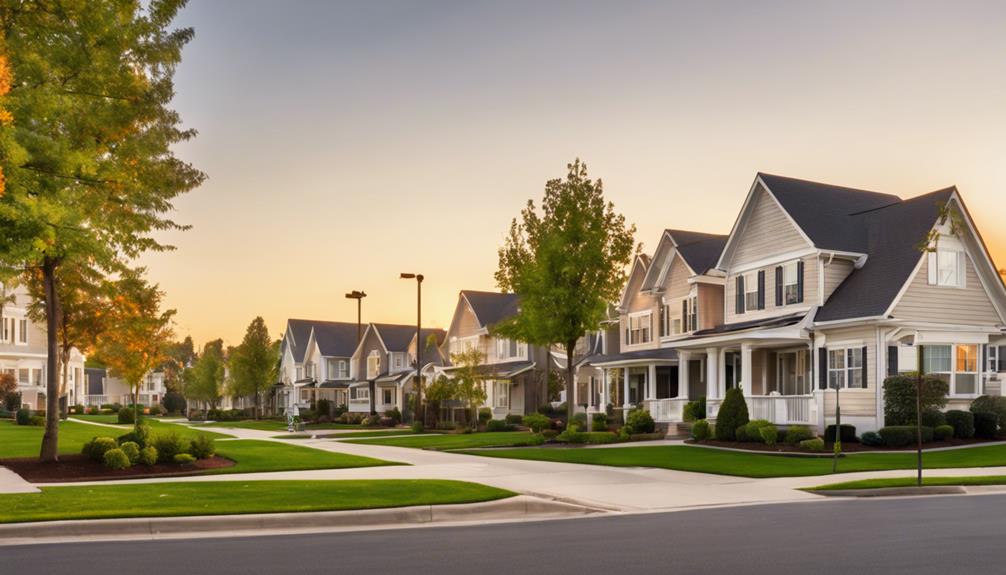
As the concept of traditional neighborhoods evolves, community-driven living spaces are becoming increasingly popular. Developers and architects are responding to this shift by designing spaces that prioritize community engagement, sustainability, and social connection. As we look to the future, it is clear that community-driven living will continue to play a significant role in shaping the real estate landscape, offering a more harmonious and fulfilling way of living.
The Rise of Flexible Housing Options
Flexible housing options, driven by the growing demand for adaptability and affordability, are revolutionizing the way people live and interact with their living spaces. The traditional notion of homeownership is giving way to innovative, flexible, and communal living arrangements that cater to diverse lifestyles and needs. Co-living, for instance, has emerged as a popular trend, offering a unique blend of community, convenience, and cost-effectiveness. The co-living benefits are numerous, including shared amenities, networking opportunities, and a sense of belonging.
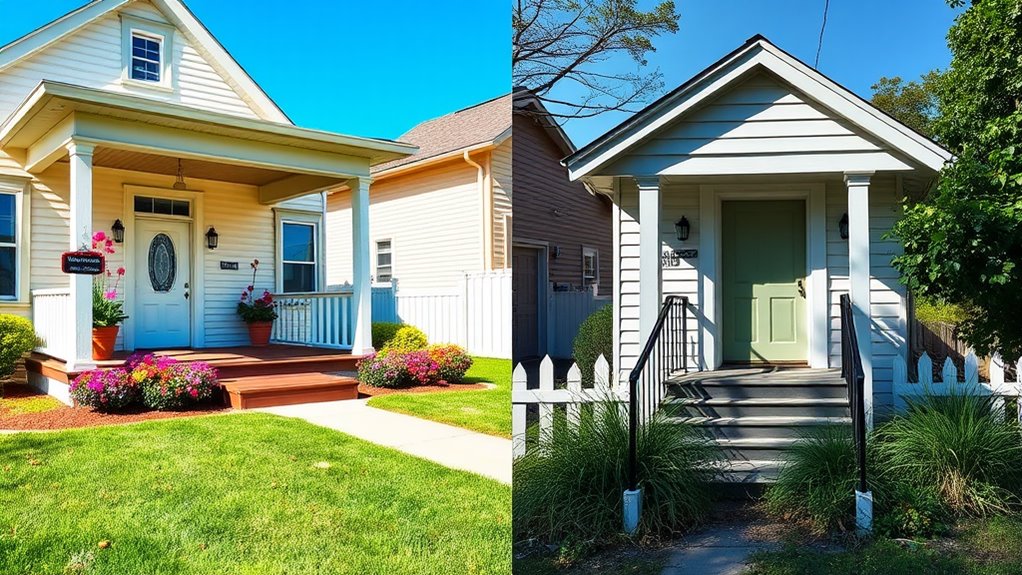
Micro units, another manifestation of flexible housing, are gaining popularity, particularly among urban dwellers and millennials. These compact, efficient spaces optimize functionality while minimizing environmental footprint and expenses. The micro units' popularity can be attributed to their ability to provide affordable, flexible, and sustainable living options in densely populated cities.
As the demand for flexible housing continues to grow, developers and architects are responding with innovative designs, materials, and technologies. Modular construction, for example, enables rapid assembly, reduced waste, and increased customization. The rise of flexible housing options is not only reshaping the real estate landscape but also redefining the way we live, work, and interact with our surroundings. As the industry continues to evolve, it is essential to prioritize flexibility, sustainability, and community-centric design to create thriving, adaptable, and resilient living environments.
Gen Z Redefines Luxury Living
Seventy-five percent of Gen Z renters prioritize amenities that foster community and personal growth over traditional luxury features, redefining the concept of luxury living in the process. This shift in priorities is driven by a desire for meaningful experiences and connections, rather than mere opulence. As a result, developers are adapting to meet the needs of this demographic, incorporating personalized amenities that cater to individual interests and lifestyles.
Virtual experiences, for instance, are becoming an essential component of luxury living. Virtual fitness classes, meditation sessions, and even virtual art exhibitions are now being integrated into residential developments, providing residents with endless opportunities for personal growth and entertainment. Moreover, the focus on community-building is leading to the creation of shared spaces that facilitate social interaction and collaboration, such as co-working spaces, community gardens, and art studios.
In this new era of luxury living, the emphasis is on creating a sense of belonging and purpose. Gen Z renters are willing to pay a premium for amenities that enhance their well-being and provide a sense of community, rather than mere material indulgence. As the real estate industry continues to evolve, it is clear that the concept of luxury living will be redefined by the values and priorities of this influential demographic.
Frequently Asked Questions
Will AI Replace Human Real Estate Agents in the Near Future?
While AI has made significant strides in real estate, replacing human agents entirely is unlikely. AI excels in data analysis and automation, but lacks the human touch that builds trust and rapport with clients. Effective AI training requires vast amounts of data, but human agents bring emotional intelligence, empathy, and nuanced negotiation skills to the table. AI will augment, not replace, human real estate agents, freeing them to focus on high-value, relationship-driven aspects of the job.
How Will Virtual Reality Change Home Tours and Viewings?
Imagine a world where homebuyers can teleport into their dream home, surrounded by virtual furniture and décor tailored to their unique style. Welcome to the future of home tours and viewings, where virtual reality revolutionizes the buying experience. With virtual staging, properties are transformed into personalized interiors, allowing buyers to envision their perfect space. This immersive experience will redefine the industry, enabling agents to provide unparalleled service and cementing virtual reality as the new standard in home tours.
Will Smart Homes Become a Standard Feature in New Constructions?
In addition, as smart home technology advances, it's likely that smart homes will become a standard feature in new constructions. Energy efficiency, home automation, and voice control will be essential components, enhancing the living experience. Luxury features, such as smart thermostats and intelligent lighting, will become the norm. Moreover, smart homes will provide elderly assistance, offering personalized care and support. As builders and homeowners increasingly prioritize convenience, sustainability, and accessibility, smart homes will become the new standard in residential construction.
Can Real Estate Crowdfunding Democratize Property Investment?
As the gates of opportunity swing open, real estate crowdfunding stands poised to democratize property investment, opening doors for the masses. However, this paradigm shift is dependent upon two critical factors: investor education and regulatory hurdles. As the landscape evolves, it is essential to empower investors with knowledge and navigate the complex web of regulations, ensuring a level playing field for all.
Will 3D Printing Revolutionize the Construction Industry?
The advent of 3D printing technology is poised to revolutionize the construction industry, offering a paradigm shift towards sustainable buildings and affordable housing. By streamlining the construction process, 3D printing enables the rapid creation of complex structures, reducing waste and environmental impact. This innovative approach holds the potential to increase access to affordable housing, bridging the gap between supply and demand, while promoting eco-friendly practices in the built environment.