
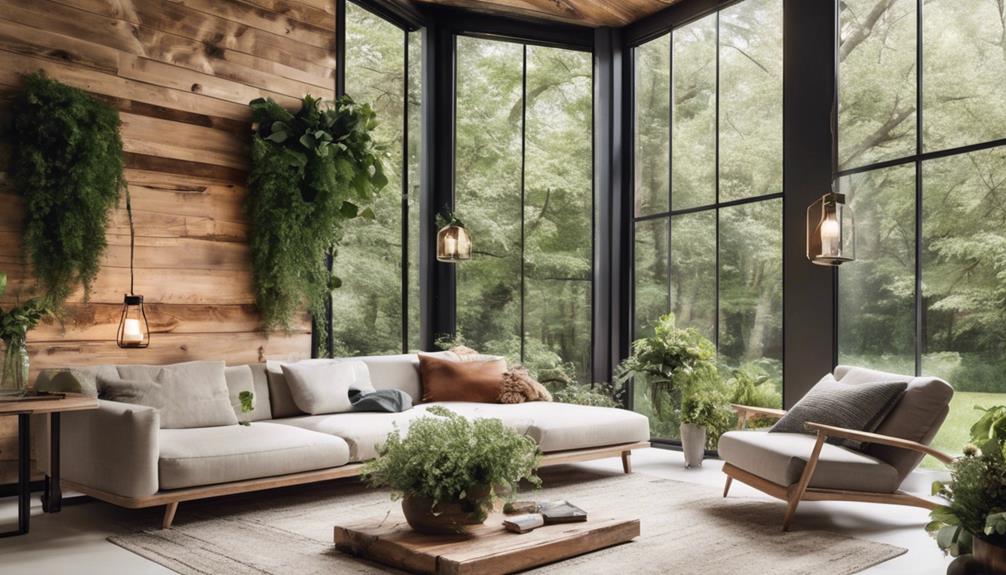
Eco-friendly home improvements bring numerous benefits, extending beyond environmental advantages to enhance homeowners' lives. By reducing energy consumption and carbon footprint, homeowners can enjoy lower energy bills and increased property value. Additionally, eco-friendly improvements promote improved indoor air quality, boosting mental wellbeing and overall health. As you explore the world of eco-friendly home improvements, you'll discover a harmonious balance between sustainability and personal benefits, ultimately leading to a healthier, more sustainable living space, and a deeper connection to the natural world, where a wealth of knowledge awaits.
Reducing Carbon Footprint at Home
Reducing Carbon Footprint at Home
Incorporating eco-friendly practices in your daily life can greatly reduce your carbon footprint, and it all starts at home, where small changes can accumulate to make a substantial impact on the environment. By making conscious decisions about energy consumption, water usage, and waste management, homeowners can markedly decrease their ecological footprint.
Conducting an eco-audit is an excellent starting point for identifying areas of improvement. This thorough assessment evaluates energy efficiency, water consumption, and waste management practices, providing homeowners with a roadmap for reducing their environmental impact. By implementing energy-efficient appliances, installing solar panels, and optimizing insulation, homeowners can drastically reduce their carbon footprint.
Carbon offsetting is another effective strategy for mitigating the environmental effects of daily activities. By calculating and offsetting carbon emissions, homeowners can compensate for their ecological footprint. This can be achieved through investing in renewable energy projects, reforestation efforts, or other carbon-reducing initiatives.
Increasing Property Value Naturally
When it comes to increasing property value naturally, homeowners should focus on incorporating eco-friendly elements that not only benefit the environment but also appeal to potential buyers. By using natural materials, optimizing energy efficiency, and incorporating sustainable design principles, homeowners can create a unique selling proposition that sets their property apart from others. These eco-friendly features not only enhance the property’s appeal but also contribute to a higher resale value. Additionally, homeowners can further maximize home value renovations by investing in renewable energy sources, such as solar panels or geothermal heating, which significantly reduce utility bills and increase long-term savings. Landscaping with native plants and installing rainwater harvesting systems can also enhance the overall aesthetic while promoting sustainability. Collectively, these thoughtful upgrades not only create a more sustainable living environment but also resonate with buyers who prioritize eco-conscious choices in their property investments.
Natural Materials Matter
Every homeowner seeking to increase their property value naturally can start by incorporating natural materials into their home improvement projects. This approach not only enhances the aesthetic appeal of a home but also contributes to a healthier living environment. By choosing materials that are sustainably sourced and authentic, homeowners can create a unique and inviting space that resonates with nature.
Some benefits of using natural materials include:
- Material Authenticity: Natural materials like wood, stone, and bamboo retain their original charm, adding character to a room.
- Sustainable Sourcing: Eco-friendly materials reduce the carbon footprint of a home, making it more attractive to environmentally conscious buyers.
- Improved Air Quality: Natural materials like plants and wood purify the air, creating a healthier living space.
- Timeless Appeal: Natural materials never go out of style, ensuring a home remains beautiful and valuable for years to come.
Energy Efficiency Boosts
Incorporating energy-efficient features into a home not only helps reduce its environmental impact but can also greatly increase its value, making it more attractive to potential buyers. By investing in energy-efficient upgrades, homeowners can reap significant benefits, including reduced energy consumption and lower utility bills. One effective way to achieve this is by installing smart thermostats, which can learn a home's temperature preferences and adjust accordingly, optimizing energy use. Additionally, applying window coatings can help reduce heat gain in the summer and heat loss in the winter, minimizing the need for artificial heating and cooling. These energy-efficient features not only benefit the environment but also increase a home's resale value, making it a worthwhile investment for homeowners. By prioritizing energy efficiency, homeowners can create a more sustainable and valuable living space that appeals to environmentally conscious buyers.
Sustainable Design Enhances
Beyond energy-efficient upgrades, sustainable design elements can further enhance a home's natural appeal, thereby increasing its property value. A thoughtfully designed eco-friendly home not only reduces its carbon footprint but also creates a harmonious balance between nature and architecture. This synergy is achieved by incorporating design elements that blend seamlessly with the surrounding environment, creating a sense of visual harmony.
Some key sustainable design elements that can enhance a home's aesthetic appeal include:
- Native landscaping: Using native plants and trees that require minimal maintenance and water, creating a smooth integration between the built environment and nature.
- Natural materials: Incorporating natural materials such as reclaimed wood, bamboo, and low-maintenance materials that reduce waste and minimize environmental impact.
- Passive design: Carefully orienting the home to maximize natural light and ventilation, reducing the need for artificial lighting and heating and cooling systems.
- Water-efficient features: Incorporating rainwater harvesting systems and greywater reuse systems to minimize water waste and reduce the home's water footprint.
Lowering Energy Bills Forever
Lowering Energy Bills Forever
How can homeowners effectively reduce their energy consumption and, subsequently, their energy bills, without sacrificing comfort or convenience? One important step is to conduct a thorough energy audit, which involves a detailed assessment of a home's energy usage. This can be achieved through utility auditing, where a professional evaluates a home's energy consumption patterns and identifies areas of inefficiency. The installation of smart meters can also provide homeowners with real-time data on their energy usage, enabling them to make informed decisions about their energy consumption.
Implementing energy-efficient measures can lead to significant cost savings over time. Home insulation, for instance, can reduce heat loss and minimize the need for heating. Additionally, investing in renewable energy sources, such as solar panels, can provide a clean and sustainable alternative to traditional energy sources. Governments and organizations often offer renewable incentives, such as tax credits or rebates, to encourage homeowners to adopt eco-friendly practices.
Improving Indoor Air Quality
While many homeowners focus on exterior eco-friendly improvements, it is equally important to prioritize indoor air quality, which can have a significant impact on occupants' health and wellbeing. Indoor air pollution can lead to respiratory problems, allergies, and even long-term health issues. Fortunately, there are several ways to improve indoor air quality and create a healthier living space.
To start, consider installing air purifiers in high-traffic areas or rooms where pollutants are most concentrated. These devices can remove pollutants, allergens, and odors from the air, leaving it fresh and clean. Additionally, a well-designed ventilation system can help circulate air and remove stale or stagnant air from the home.
Some other ways to improve indoor air quality include:
- Using low-VOC (volatile organic compound) paints and finishes to reduce chemical emissions
- Incorporating plants, which naturally purify the air
- Installing a whole-house fan to improve air circulation
- Sealing ducts and vents to prevent pollutants from entering the home through the HVAC system
Boosting Mental Health Benefits
Moreover, in addition to the physical health benefits, eco-friendly home improvements can also have a profound impact on mental wellbeing, providing a sense of calm and serenity that is essential for overall health. By incorporating natural elements and mindful design, homeowners can create spaces that promote relaxation and reduce stress. This can be achieved through the use of natural materials, such as reclaimed wood and bamboo, which can add warmth and coziness to a room. Additionally, incorporating plants and greenery can help purify the air and create a sense of connection to nature.
Mindful spaces can be created by incorporating elements such as natural light, comfortable seating areas, and calming colors. These spaces can serve as a retreat from the hustle and bustle of daily life, providing a sense of tranquility and peace. Moreover, nature escapes can be created by incorporating outdoor spaces, such as gardens or green roofs, which can provide a sense of connection to the natural world. By incorporating these elements, homeowners can create a haven that promotes mental wellbeing and overall health. By investing in eco-friendly home improvements, homeowners can reap the benefits of improved mental health, leading to a happier, healthier life.
Creating a Sustainable Lifestyle
By embracing eco-friendly home improvements, individuals can take a significant step towards creating a sustainable lifestyle, one that not only benefits the environment but also enhances their overall wellbeing. This shift in lifestyle is essential, as it enables individuals to adopt eco-conscious habits and sustainable routines that benefit both themselves and the planet.
By incorporating eco-friendly home improvements, individuals can:
- Reduce their carbon footprint and contribute to a healthier environment
- Create a peaceful and calming living space that promotes mental wellbeing
- Develop sustainable routines, such as recycling and reducing waste, that become second nature
- Cultivate a sense of responsibility and connection to the natural world
Saving Money With Eco-Friendly Tech
Eco-friendly technologies can greatly reduce energy consumption, translating to substantial cost savings for homeowners who invest in these innovative solutions. By integrating eco-friendly tech into their homes, homeowners can notably lower their energy bills, allowing for more efficient budget planning and cost analysis. Additionally, many governments offer tax incentives and rebates to encourage the adoption of eco-friendly technologies, providing an added financial incentive for homeowners to make the switch.
Utility tracking and energy scoring systems enable homeowners to monitor their energy consumption in real-time, identifying areas for improvement and optimizing their energy usage. This data-driven approach empowers homeowners to make informed decisions about their energy consumption, reducing waste and minimizing their environmental footprint. Moreover, many eco-friendly technologies, such as solar panels and energy-efficient appliances, require minimal maintenance, reducing the need for costly repairs and replacements.
Enhancing Overall Wellbeing
Beyond the financial benefits, eco-friendly home improvements can also have a profound impact on the overall wellbeing of homeowners, fostering a healthier and more comfortable living space. By incorporating eco-friendly features into their homes, individuals can create an environment that promotes mental clarity, healthy habits, and overall wellness.
Some of the ways eco-friendly home improvements can enhance overall wellbeing include:
- Improved indoor air quality: By using natural materials, reducing VOCs, and incorporating air-purifying plants, homeowners can breathe easier and reduce the risk of respiratory problems.
- Natural light optimization: Maximizing natural light exposure can boost mood, energy levels, and overall mental health.
- Thermal comfort: Eco-friendly insulation and climate control systems can create a comfortable and consistent indoor temperature, reducing stress and promoting relaxation.
- Connection to nature: Incorporating natural elements, such as living walls or outdoor spaces, can help homeowners feel more connected to the natural world and reduce feelings of anxiety and stress.
Frequently Asked Questions
Can I DIY Eco-Friendly Home Improvements or Do I Need a Professional?
'Ah, the DIY enthusiast's dilemma: can I MacGyver my way to eco-friendly home improvements or do I need to swallow my pride and call in the pros? If you're handy with a hammer and have a knack for research, some eco-friendly tweaks, like swapping light bulbs or adding insulation, are within your grasp. However, for more complex projects, don't be afraid to seek professional guidance to guarantee a job well done and maximum environmental impact.'
How Long Does It Take to Recoup the Cost of Eco-Friendly Upgrades?
When considering eco-friendly upgrades, homeowners often wonder about the payback period. The time it takes to recoup the cost varies depending on factors such as location, technology, and local incentives. On average, homeowners can expect a return on investment (ROI) of 2-5 years for energy-efficient upgrades like solar panels and insulation. However, some projects, like energy-efficient windows, may take 5-10 years to break even. Understanding the payback period is essential to making informed decisions about eco-friendly home improvements.
Are Eco-Friendly Materials More Expensive Than Traditional Options?
When evaluating eco-friendly materials, an important consideration is their cost comparison to traditional options. While some eco-friendly materials may be more expensive, others can be competitively priced or even cost-effective. Material selection plays a significant role in this cost analysis. For instance, reclaimed wood and low-VOC paints can be pricier, but sustainable insulation and energy-efficient windows can offer long-term savings. A thorough cost-benefit analysis is essential to make informed decisions about eco-friendly home upgrades.
Do Eco-Friendly Home Improvements Affect Homeowners Insurance Rates?
When it comes to homeowners insurance, eco-friendly home improvements can have a positive impact on insurance rates. Many insurance providers offer discounts to homeowners who invest in sustainable features, such as solar panels or energy-efficient roofing. This is because eco-friendly upgrades often reduce the risk of damage or loss, leading to a lower risk assessment and subsequently, lower premiums. As a result, homeowners can enjoy insurance discounts, further offsetting the initial investment in eco-friendly improvements.
Can I Get Government Incentives for Eco-Friendly Home Improvements?
The age-old question: can I milk the system for some sweet, sweet government incentives for going green? The answer, thankfully, is yes. You can reap the rewards of eco-friendly home improvements through tax credits and energy rebates. The US government offers incentives for homeowners who invest in energy-efficient upgrades, such as solar panels and insulation. These perks can help offset the initial costs, making your eco-friendly endeavors a financially savvy move.