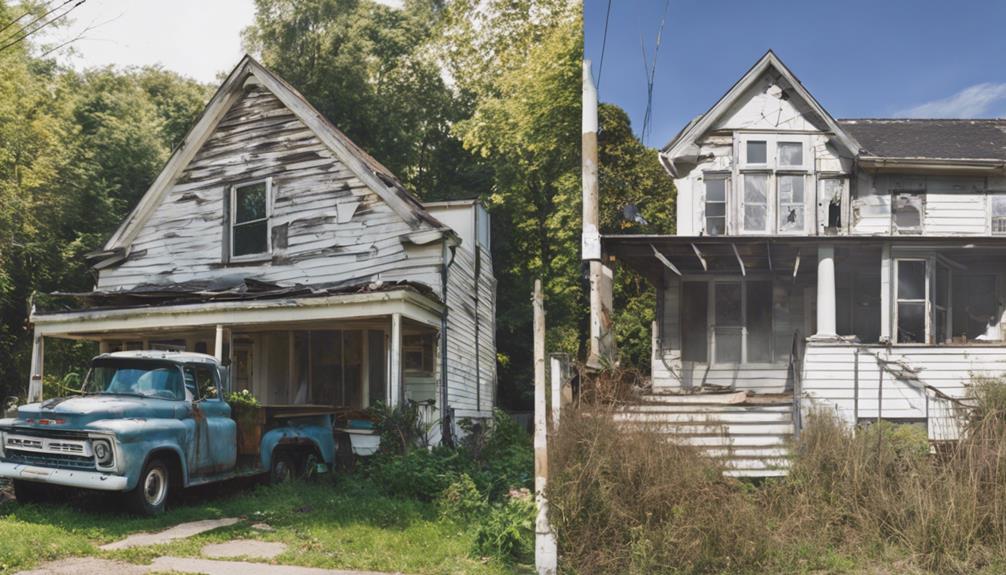
To identify real estate opportunities others miss, analyze local market trends and gather data on key indicators like median home prices and rental yields. Look for undervalued properties, assess neighborhood potential, and evaluate property condition. Research local zoning laws and regulations that may impact development potential. Leverage real estate data and network with local experts to gain insights into community dynamics. You'll additionally want to spot off-market opportunities through direct mail campaigns and online marketing. With the right tools and information, you can uncover hidden gems in the property market – and there's more to explore.
Analyze Local Market Trends
When analyzing local market trends, you're fundamentally trying to get a pulse on the overall health and direction of the real estate market in a specific area. This involves grasping the current state of market demand, which is driven by factors such as population growth, job opportunities, and local economy. By analyzing these trends, you can determine whether the market is growing, stable, or declining.
To get started, you'll need to gather data on key market indicators such as median home prices, rental yields, and days on market. This information can be obtained from local real estate boards, online listings, and government reports. By analyzing this data, you can identify patterns and trends that will help you make informed investment decisions.
Investment timing is critical regarding real estate. By grasping the local market trends, you can determine the best time to buy or sell a property. For example, if the market is growing swiftly, it may be a good time to buy, as prices are likely to appreciate. Conversely, if the market is declining, it may be a good time to sell, as prices are likely to drop. By grasping market demand and investment timing, you can position yourself for success in the real estate market and achieve your financial goals.
Look for Undervalued Properties
Now that you've grasped local market trends, it's time to apply that knowledge to find undervalued properties. These hidden gems can be a goldmine for investors and homebuyers looking to maximize their returns. In order to find them, focus on properties that are priced lower than their potential value.
You'll often find undervalued properties in areas with motivated sellers. These sellers may be facing financial difficulties, going through a divorce, or relocating for work. As a result, they may be willing to sell their property quickly, even if it entails accepting a lower price. Keep an eye out for properties that have been on the market for an extended period, as these may be ripe for negotiation.
Here are some key factors to examine when looking for undervalued properties:
- Low asking price: Properties that are priced lower than similar homes in the area may be undervalued. Research the local market to determine if the asking price is below the property's potential value.
- Motivated sellers: Look for properties with motivated sellers, such as those facing financial difficulties or relocating for work. These sellers may be more willing to negotiate and accept a lower price.
- Neighborhood revitalization: Areas undergoing revitalization efforts may have undervalued properties. As the neighborhood improves, property values are likely to increase, making these properties a smart investment.
Assess Neighborhood Potential
Several key factors can indicate a neighborhood's potential for growth and increased property values. As you search for real estate opportunities, it's vital to evaluate the neighborhood's demographics and community amenities. By looking at these factors, you can get a sense of whether the area is likely to attract new residents, businesses, and investments.
Here are some key factors to review:
| Factor | Positive Signs | Negative Signs |
|---|---|---|
| Neighborhood Demographics | Increasing population, high median income, young professionals | Declining population, low median income, high crime rates |
| Community Amenities | New parks, schools, and public transportation | Lack of amenities, poor school districts, limited public transportation |
| Local Economy | Growing industries, new businesses, job opportunities | Declining industries, high unemployment rates, limited job opportunities |
| Housing Market | Increasing property values, low vacancy rates, new developments | Decreasing property values, high vacancy rates, neglected properties |
| Government Initiatives | Urban renewal projects, tax incentives, zoning changes | Lack of government support, restrictive zoning laws, no urban renewal projects |
When evaluating neighborhood potential, it's imperative to weigh these factors and reflect on how they might impact the local real estate market. By doing your research and staying informed, you can identify opportunities that others might miss and make informed decisions about your investments.
Evaluate Property Condition
When evaluating a property's condition, you'll want to start by examining its structural integrity, checking for any signs of damage or deterioration that could impact its safety or value. Next, you'll need to check for needed repairs, whether they're minor fixes or major renovations that could eat into your budget. By evaluating the property's cosmetic condition, you'll likewise get a sense of its overall aesthetic appeal and potential for resale.
Assess Structural Integrity
As you walk through the property, you're not just looking at walls and floors – you're evaluating a potential investment. Analyzing the structural integrity of a property is essential to determining its value and potential for future returns.
To guarantee the property's foundation is solid, consider hiring a professional to conduct a foundation inspection. This inspection will reveal any underlying issues that could impact the property's overall integrity.
Here are three key aspects to focus on when evaluating a property's structural integrity:
- Cracks and Shifts: Look for any signs of cracks in the walls, ceilings, or floors, as these can indicate foundation problems or structural damage.
- Water Damage: Check for any signs of water damage, such as warping or discoloration, which can weaken the structure and lead to costly repairs.
- Support Beams: Verify that support beams are secure and not damaged, as these play a vital role in maintaining the property's overall structure.
Check for Needed Repairs
You'll need to dig deeper to evaluate the property's condition, looking beyond its structural integrity to identify any needed repairs. This step is essential in determining the property's potential for renovation and your future financial freedom. Inspect the property's systems, including plumbing, electrical, and HVAC, to determine if they're functioning properly. Check for any leaks, worn-out components, or outdated technology that may need to be replaced.
Also, examine the property's exterior, including the roof, gutters, and downspouts, to identify any damage or needed repairs. Make a list of the necessary repairs and estimate the associated costs. Consider the renovation timelines and how they'll impact your investment strategy. Research local contractors and suppliers to get a sense of the costs involved. By grasping the repair costs and renovation timelines, you'll be better equipped to make an informed decision about the property's potential for renovation and your future financial freedom. This will help you avoid costly surprises down the road and facilitate a smoother renovation process.
Evaluate Cosmetic Condition
A property's cosmetic condition can greatly impact its resale value and your future financial gains. When evaluating a property's condition, you're not just looking for needed repairs, but likewise its overall aesthetic appeal. The interior aesthetics of a property can greatly influence potential buyers' first impressions. A well-maintained and visually appealing property can give you an edge in the competitive real estate market.
As you inspect the property, consider its renovation potential. Ask yourself:
- Are the existing fixtures and finishes outdated or in need of replacement?
- Can the current layout be improved with some minor renovations to increase functionality?
- Are there any opportunities to add value with cosmetic upgrades, such as new flooring or fresh paint?
Research Local Zoning Laws
Grasping local zoning laws is crucial when identifying real estate opportunities, as it directly affects the potential use and development of a property. Zoning regulations dictate the allowed land use for a particular area, and comprehending these rules can help you uncover opportunities others might miss. While you research local zoning laws, you'll want to focus on areas where there's a mismatch between the current zoning regulations and the market demand.
For example, you might find an area zoned for single-family homes, but there's a growing demand for multifamily units. This could be an opportunity to rezone the property and build a more lucrative development. You'll likewise want to look for areas where the zoning laws are about to change. Upcoming zoning changes can greatly impact a property's value and potential use.
When researching local zoning laws, review the local government's website, attend city council meetings, and talk to local real estate agents and developers. They can provide valuable insights into the current zoning regulations and any potential changes on the horizon. By grasping the zoning laws and their potential impact on a property, you can make more informed investment decisions and stay one step ahead of the competition. By taking the time to research local zoning laws, you can uncover real estate opportunities that others might overlook.
Identify Emerging Hotspots
Identifying emerging hotspots is key to spotting real estate opportunities before they become widely recognized. By staying ahead of the curve, you can capitalize on emerging trends and increase your potential for long-term gains. When searching for emerging hotspots, look for areas experiencing gentrification trends or urban revitalization efforts.
- Pay attention to local news and development plans: Keep an eye on local news and development plans to stay informed about upcoming projects and initiatives in the area. This can include new businesses, infrastructure improvements, and public transportation developments.
- Look for increasing property values: Research neighborhoods with increasing property values, as this can be a sign of a emerging hotspot. You can check online real estate listings, talk to local agents, or review property records to get a sense of the local market.
- Analyze demographic changes: Study demographic changes in the area, such as an influx of young professionals, families, or retirees. These changes can indicate a shift in the local economy and potentially lead to increased demand for housing and commercial space.
Leverage Real Estate Data
Once you've pinpointed emerging hotspots, it's essential to explore further into real estate data to make informed investment decisions. You can't just rely on your instincts or assumptions; you need concrete data to back up your choices. This is where data analysis comes in – it helps you understand the local market, identify trends, and spot potential opportunities.
To effectively leverage real estate data, you’ll need to focus on key metrics such as property prices, rental yields, and vacancy rates. You should additionally analyze market trends, including growth patterns and seasonal fluctuations. By doing so, you’ll be able to identify areas with high potential for growth and make more informed decisions about where to invest. Keeping an eye on real estate trends 2024 can provide valuable insights into emerging markets and shifting investor preferences. Advances in technology and economic factors will likely influence property values, making it essential to stay updated on the latest developments. By integrating data-driven analysis with market expertise, you can maximize investment returns and minimize risks.
Market forecasting is another vital aspect of data analysis. By analyzing historical data and current market trends, you can predict future market movements and make more informed investment decisions. This helps you stay ahead of the curve and capitalize on emerging opportunities before they become mainstream.
Network With Local Experts
When searching for real estate opportunities, you'll benefit from connecting with people who know the local market best. To gather valuable insights, consider meeting local influencers who have a finger on the pulse of the community, talking to brokers who have direct access to listings, and attending community meetings where potential deals are often discussed. By networking with these local experts, you'll gain a deeper comprehension of the area and uncover opportunities that might otherwise go unnoticed.
Meet Local Influencers
- Attend local events: Attend conferences, seminars, and networking events where local influencers are likely to be in attendance. This will give you the opportunity to meet them in person and start building a relationship.
- Partner with influencers: Look for influencers who are already working in your desired area and see if you can partner with them on a project. This will give you access to their network and expertise.
- Engage with them online: Follow local influencers on social media and engage with their content. This will help you build a relationship with them and stay up-to-date on their latest projects and insights.
Talk to Brokers Direct
By establishing relationships with local influencers, you've likely gained valuable insights into the real estate market. Now, it's time to tap into the expertise of real estate brokers to uncover opportunities others may miss. Building broker relationships is key to getting ahead in the game. When you have direct communication with brokers, you gain access to market knowledge, trends, and off-market deals that aren't available to the general public.
To establish strong broker relationships, you need to be proactive. Reach out to local brokers and schedule meetings to discuss the market, trends, and potential opportunities. Be clear about your goals and what you're looking for, and ask for their honest opinion. By doing so, you'll build trust and establish a rapport that can lead to valuable connections and deals.
Through direct communication with brokers, you'll stay ahead of the curve, getting updates on new listings, price changes, and market fluctuations. This gives you a competitive edge, allowing you to make informed decisions and capitalize on opportunities before others do.
Attend Community Meetings
- Arrive prepared: Research the meeting's agenda, speakers, and attendees to identify potential connections and areas of interest.
- Be an active participant: Ask informed questions, share your expertise, and contribute to discussions to build credibility and establish yourself as a knowledgeable player in the local real estate scene.
- Follow up: Connect with new contacts, request additional information, and stay updated on projects and initiatives discussed during the meeting.
Understand Property History
A property's past can be a treasure trove of valuable information, helping you make informed decisions when identifying real estate opportunities. By digging into a property's history, you'll gain a better comprehension of its investment potential and the potential for growth.
You'll want to start by researching the property's ownership history, including the number of previous owners and how long they've held the property. This information can give you insight into the property's sales history and potential for renovation impact. Look for any title issues, such as outstanding liens or disputes, which could affect your ability to purchase or own the property.
Reviewing historical tax assessments and pricing can likewise help you grasp the property's value over time and how it's been affected by market fluctuations. Analyzing the transaction timelines can provide insight into the local real estate market and the demand for properties in the area.
Comprehending a property's history can likewise help you identify potential red flags, such as a history of neglect or poor maintenance. By doing your research, you'll be able to make a more informed decision about whether a property is a good investment opportunity. This information can likewise give you leverage when negotiating a purchase price or terms. By taking the time to comprehend a property's history, you'll be better equipped to make smart investment decisions and achieve your real estate goals.
Spot Off-Market Opportunities
Opportunity often lies just beyond the edges of the mainstream market. To spot off-market opportunities, you'll need to think outside the box and explore unconventional methods. This is where direct mail and online marketing can be influential tools in your real estate expedition. By casting a wider net and targeting motivated sellers, you can uncover hidden gems that others may have overlooked.
To get started, consider the following strategies:
- Direct Mail Campaigns: Send targeted letters or postcards to homeowners who may be motivated to sell, such as those who are facing foreclosure or have inherited a property. This can help you establish a personal connection and build trust with potential sellers.
- Online Marketing: Leverage social media and online platforms to reach a wider audience. Create ads targeting specific demographics, interests, and behaviors to attract motivated sellers. You can likewise use online forums and groups to connect with potential sellers and build relationships.
- Network and Collaborate: Attend local real estate events, conferences, and meetups to connect with other investors, agents, and industry professionals. Collaborate with them to share knowledge, resources, and opportunities, and stay ahead of the competition.
Frequently Asked Questions
What Are the Tax Implications of Real Estate Investing?
When investing in real estate, you'll want to understand the tax implications. You'll likely qualify for tax benefits like depreciation deductions, which can greatly reduce your taxable income. By incorporating savvy investment strategies, you can minimize capital gains taxes when selling a property. This means more money in your pocket, giving you the freedom to pursue your goals and live life on your terms.
Can I Invest in Real Estate With Bad Credit?
Envision building wealth in spite of a rocky financial past. You're not alone in having bad credit, but that doesn't mean you're shut out of real estate investing. You can explore alternative financing options, like private money lenders or partner with investors. Consider taking steps to repair your credit, and you'll reveal more opportunities. With persistence and the right strategy, bad credit won't hold you back from achieving financial freedom.
How Do I Handle Real Estate Negotiations?
When handling real estate negotiations, you'll want to develop strong negotiation strategies that get you ahead. It's about creating a win-win situation for both parties. Focus on building rapport and trust with the seller or buyer. Use closing techniques like open-ended questions and mirroring to seal the deal. Remember, you're not just negotiating a price, you're negotiating freedom – freedom to own your dream home or achieve financial independence.
What Are the Risks of House Flipping?
When flipping houses, you face various risks. Be aware of flipping pitfalls like market volatility, where prices drop before you sell. Renovation costs can balloon, eating into your profits. Timing mistakes, such as buying at the wrong time, can likewise hurt. Financing challenges can arise if you can't secure a loan. Keep an eye on neighborhood trends to avoid buying in a declining area. By comprehending these risks, you can make informed decisions and stay free from financial stress.
Do I Need an LLC for Real Estate Investing?
When you're building wealth through real estate, you're probably wondering if you need an LLC for your investments. The answer depends on your business structure and strategy. Forming an LLC can offer asset protection and tax benefits, but it likewise adds complexity and costs. If you're looking for freedom and flexibility in your investments, an LLC might be the way to go – it can help shield your personal assets and simplify your finances.