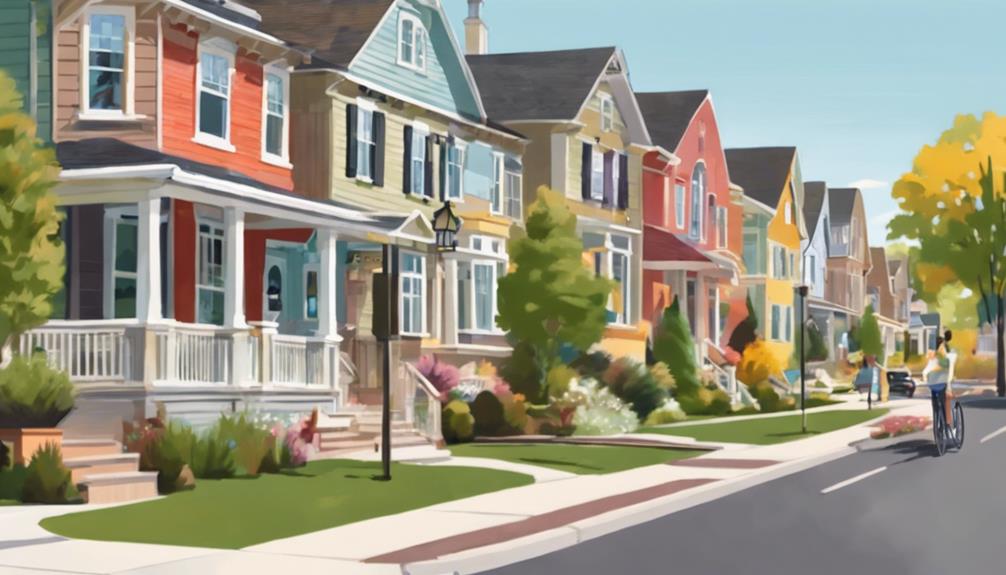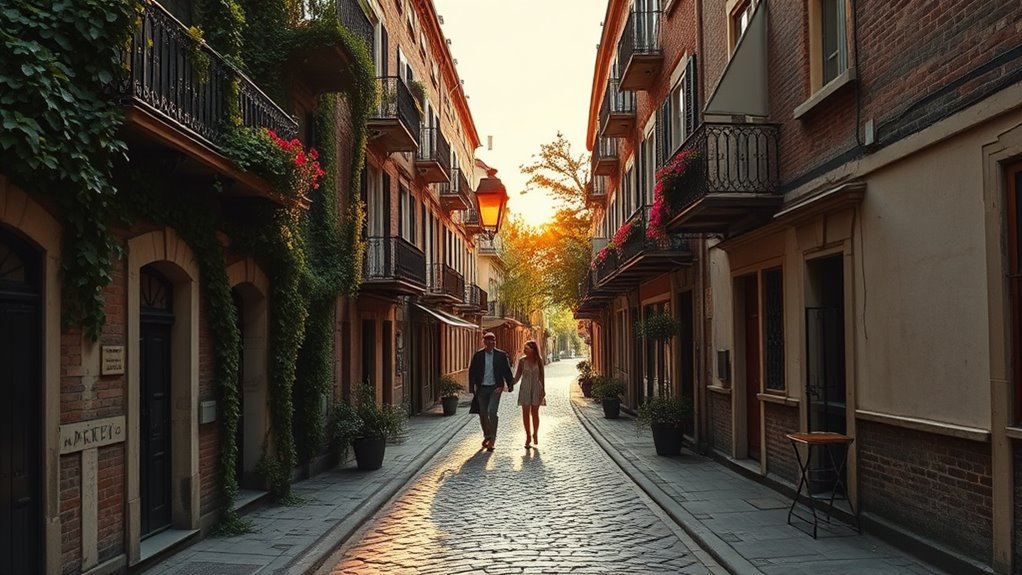
Living in historic districts means enjoying architectural charm and a strong community identity, but it comes with its own set of challenges. You'll face strict preservation regulations that dictate how you can maintain or renovate your home, often increasing costs. As community events create a lively atmosphere and nurture connections, maintaining an authentic feel requires a careful balance of modern amenities and historic integrity. Property taxes can be higher, and the hidden costs of compliance can pile up. If you explore further, you'll uncover valuable insights about steering through the unique realities of these beautiful neighborhoods.
Architectural Charm and Character
There's something undeniably enchanting about the architectural charm found in historic districts. When you walk through these neighborhoods, you're not just passing by buildings; you're stepping into a living museum that tells stories of the past. Each structure you encounter holds historic significance, reflecting the values, styles, and craftsmanship of the time it was built. You can almost feel the echoes of history surrounding you, inviting you to explore and appreciate the rich narratives behind each façade.
The architectural diversity in these areas is truly fascinating. You might find a cozy Victorian house next to a sleek Art Deco gem, showcasing a blend of influences that span centuries. This variety creates a lively fabric that makes every stroll feel like an adventure. You'll discover unique details in wrought iron railings, ornate cornices, and colorful stained glass that modern homes often lack.
Living in a historic district means embracing this character and charm as part of your everyday life. The sense of freedom you gain from being surrounded by such beauty is invigorating. You can take pride in knowing you're part of a community that values history and artistry, where each home tells its own story. Plus, the opportunities for exploration are endless; whether it's visiting local shops or enjoying neighborhood festivals, you'll find that the charm of these districts enriches your experience, making every moment feel special.
Preservation Guidelines and Restrictions
Living in a historic district comes with the responsibility of preserving its unique character and charm. As a resident, you'll find that preservation guidelines and restrictions are designed to maintain the historical significance of your neighborhood. These rules might feel limiting at times, but they likewise serve to protect the community's heritage, ensuring that future generations can appreciate its beauty.
You may encounter specific regulations regarding exterior modifications, such as the types of materials you can use or the color schemes you can choose. Although some may see these restrictions as an infringement on personal freedom, they're in place to uphold the district's aesthetic value and historical context. It is crucial to keep in mind that these guidelines aren't just about individual properties; they have a broader community impact, nurturing a sense of unity and shared identity among residents.
When you're planning renovations, you'll likely need to seek approval from a preservation board or local authority. Embracing this process can turn into an opportunity to engage with your neighbors and learn about the history that makes your district unique. Comprehending the rationale behind these guidelines can deepen your appreciation for your surroundings and inspire you to contribute positively to the community.
In the end, living in a historic district is about balancing your desire for freedom with a commitment to preservation. By respecting the guidelines, you help maintain the district's charm while allowing it to thrive for years to come.
Community Engagement and Events
Living in a historic district means you get to participate in lively local festivals and traditions that celebrate your community's rich heritage. You'll as well have opportunities to attend neighborhood meetings and activities that cultivate connections with your neighbors. Engaging in these events not merely improves your experience but strengthens the fabric of your community.
Local Festivals and Traditions
Many historic districts come alive with spirited local festivals and cherished traditions that nurture community spirit and engagement. You'll find that these events offer a chance to connect with your neighbors as you celebrate the unique culture of your area. Picture yourself enjoying the lively atmosphere filled with laughter and music.
Here are some highlights you can expect:
- Cultural celebrations: Experience the rich heritage through food festivals and craft fairs that showcase local artisans.
- Festive parades: Feel the excitement as colorful floats and energetic performers fill the streets, creating unforgettable memories.
- Seasonal markets: Browse through stalls brimming with handmade goods and seasonal treats, perfect for supporting local businesses.
- Community storytelling: Engage in historical reenactments and traditional music sessions that bring your district's past to life.
These gatherings aren't just fun; they're the heartbeat of your community. By participating, you'll strengthen connections, share stories, and create lasting friendships. Living in a historic district means embracing the freedom to celebrate your heritage as you enjoy the camaraderie of those around you. Don't miss out on the joy of local festivals and traditions!
Neighborhood Meetings and Activities
Engaging with your neighbors through neighborhood meetings and activities is a fantastic way to cultivate a sense of community in historic districts. These gatherings not just strengthen neighborhood dynamics but additionally empower you to voice your opinions and concerns. When you attend these meetings, you're encouraging resident collaboration, ensuring that everyone feels heard and valued.
You'll find that these events can range from casual coffee chats to more structured forums discussing local issues. By participating, you can connect with like-minded individuals who share your passion for preserving the unique character of your district. Moreover, it's a great opportunity to propose new ideas or initiatives—whether it's starting a community garden or organizing a cleanup day.
As you engage in these activities, you'll notice how they contribute to a lively, unified community. Each meeting serves as a platform for collaboration, allowing residents to work together to honor the history of the area as well as shaping its future. So, step out, get involved, and experience the freedom that comes from being part of a community that values your input and celebrates its heritage.
Maintenance and Renovation Challenges
Maintaining and renovating a home in a historic district can be tricky. You'll face strict preservation regulations that dictate how changes can be made, and those rules often lead to costly restoration projects. Comprehending these challenges is essential for anyone looking to invest in a historic property.
Preservation Regulations Impact
Maneuvering preservation regulations can pose significant challenges for homeowners in historic districts, often complicating maintenance and renovation efforts. You might feel restricted as you navigate a web of zoning laws and renovation permits designed to protect the area's historical significance and cultural heritage.
These regulations can impact your freedom to make changes, and they often come with specific requirements.
- You may need to adhere to certain architectural styles that reflect the district's character.
- Adaptive reuse projects could require extensive documentation to prove compliance with preservation standards.
- The economic impact of these regulations can influence property values, making renovations feel more intimidating.
- Engaging with local preservation boards adds another layer of complexity, as their approval is often necessary.
Although these rules aim to safeguard the unique charm of your community, they can hinder your creativity and limit your choices. Embracing the challenge of working within these constraints can be a balancing act, but comprehending the regulations is vital for successfully maintaining and enhancing your historic property. Remember, the goal is to preserve the essence of your home whilst still enjoying the freedom to adapt it to your needs.
Costly Restoration Projects
Guiding preservation regulations can lead to unexpected financial burdens, especially regarding restoration projects. You might find that although the charm and historical value of your home are undeniable, the cost of maintaining that allure can be overwhelming. When you decide to renovate, you'll often face strict guidelines that dictate materials and methods. This can greatly inflate your budget, particularly if you're trying to preserve specific architectural details.
Securing restoration funding can be a challenge, too. Grants and financial assistance exist, but they're often limited and competitive. Without proper funding, you could be left footing the bill for costly repairs or alterations that adhere to regulations.
You may feel trapped, balancing the desire to maintain your home's character with the burden of rising expenses. Embracing the spirit of freedom you crave means steering through these challenges with a clear plan. Researching available resources, seeking out local preservation societies, and connecting with fellow homeowners can help lighten the load. Remember, your commitment to preserving history adds unique value to your community, even if the trek feels financially overwhelming at times.
Modern Amenities vs. Historic Integrity
Living in historic districts often presents a delicate balance between modern amenities and preserving historic integrity. You might find yourself grappling with the charm of the past as you yearn for the comforts that contemporary life offers. Urban infrastructure often clashes with the aesthetic of historic buildings, leading to tough choices. On one hand, you want to embrace technological advancements like high-speed internet and energy-efficient appliances; on the other, you want to maintain the unique character that drew you to the district in the first place.
Here are some considerations you'll face:
- Renovation Restrictions: Many historic districts impose strict guidelines on renovations to maintain architectural authenticity.
- Compatibility: You'll need to verify that any modern additions blend seamlessly with the historic elements of your home.
- Utility Upgrades: Upgrading utilities can be challenging, as old systems may not easily accommodate modern needs without compromising the property's integrity.
- Community Sentiment: Residents often have strong feelings about preserving historical aesthetics, which can affect your decisions.
You can aim for a harmonious coexistence by carefully selecting materials and designs that respect the historic context as you incorporate modern conveniences. Remember, it's possible to enjoy both worlds if you approach your living space thoughtfully. In the end, you have the freedom to shape your home as you honor its history, creating a unique living environment that reflects both the past and the present.
The Financial Aspects of Living Here
Balancing modern comforts with historic integrity can have significant financial implications when you choose to live in a historic district. While the charm of these areas often captivates you, grasping the financial environment is vital. You might face higher property taxes because of the desirability of the neighborhood and its appreciation over time.
Here's a quick overview of some financial aspects you'll encounter:
| Financial Aspect | Considerations |
|---|---|
| Property Taxes | Often higher, reflecting neighborhood appreciation. |
| Renovation Budgets | Costs can escalate quickly owing to preservation requirements. |
| Insurance Costs | May be higher because of the value and uniqueness of the property. |
When it comes to investment value, historic homes can offer excellent resale potential, especially if you keep up with market trends. Nevertheless, you'll need to factor in utility expenses, which can vary based on the age and efficiency of the home.
Funding options such as grants and tax credits can provide financial incentives to help you with renovations, making it easier to maintain that historic charm. Always weigh the costs against the benefits, as living in a historic district often means a unique lifestyle that embraces freedom and community. In the end, with careful planning and a comprehension of these financial aspects, you can enjoy the beauty of your historic home while making sound financial decisions.
Frequently Asked Questions
Can I Run a Business From My Historic Property?
You can run a business from your historic property, but you'll need to check local zoning regulations first. Obtain the necessary business licenses to guarantee you're compliant with the law. It's important to understand that although you want the freedom to operate your business, adhering to these requirements protects your investment and preserves the character of the area. So, research and prepare to enjoy your entrepreneurial voyage!
What Are the Common Noise Issues in Historic Districts?
You might notice several common noise issues in historic districts. Street noise from traffic can disrupt your peace, whereas renovation sounds from nearby buildings may additionally intrude. Community events and seasonal celebrations often bring joy but can create extra noise, too. Wildlife disturbances might surprise you, especially at dawn or dusk. Finally, outdoor maintenance activities can add to the clamor, making it crucial to find ways to enjoy your freedom amidst the sounds.
How Do Historic Districts Affect Property Insurance Rates?
Historic districts can impact your property insurance rates markedly. Since these areas often have stricter regulations, your property value might be higher, affecting your insurance coverage. Insurers may charge more because of the unique characteristics and the need for specialized maintenance. Nevertheless, this could likewise mean potential savings if you have historic preservation benefits. You'll want to shop around and understand how these factors play into your overall insurance costs.
Are There Any Restrictions on Landscaping and Gardening?
When you step into your garden oasis, the last thing you want is to feel trapped. Many historic districts impose landscaping guidelines that can limit your creative freedom. You might need to adhere to specific styles or plant selections that match the neighborhood's character. Garden maintenance can likewise be scrutinized, ensuring that your green thumb doesn't stray too far from tradition. Embrace the challenge; it's a chance to harmonize history with your personal touch!
How Do Historic Districts Handle Parking and Traffic Concerns?
As it pertains to parking and traffic concerns, historic districts often implement specific parking regulations to maintain their charm and accessibility. You might find limited parking zones or permit requirements that can feel restrictive. Traffic management plans furthermore aim to balance local needs with visitor access, sometimes leading to one-way streets or reduced speed limits. Although these measures can limit your freedom a bit, they're designed to preserve the area's unique character and safety.