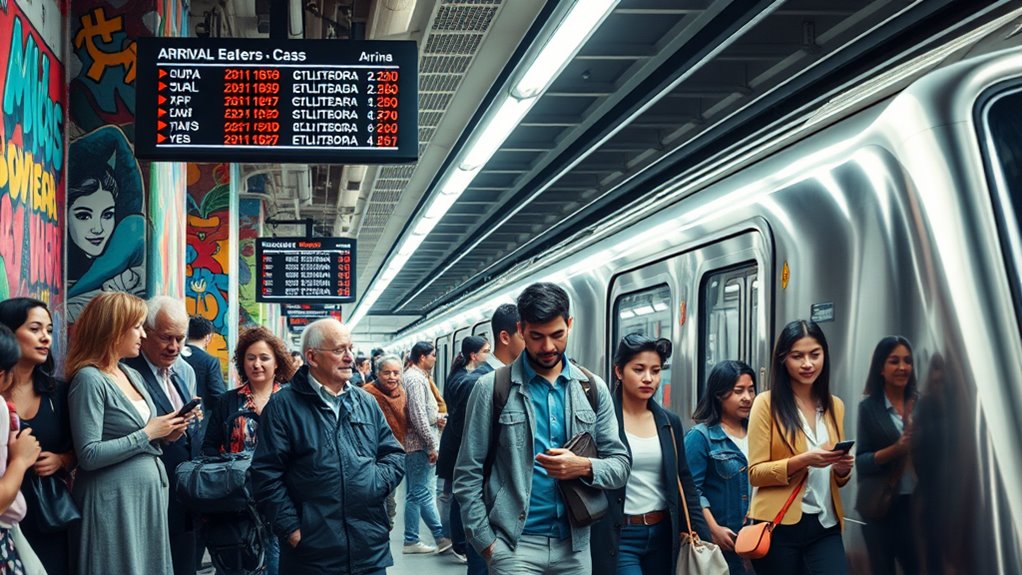
Public transportation debates matter to us all since they shape our daily lives and impact our communities. When we advocate for better transit, we improve economic growth and create job opportunities. Accessible transportation likewise promotes social equity, giving everyone the chance to participate in their communities. Plus, prioritizing public transit helps reduce traffic congestion and lessen environmental harm, keeping our air cleaner. By engaging in these discussions, we can guarantee our needs are met and our voices are heard. Stick with us to find out how these issues come together and affect each of us every day.
Impact on Daily Commutes
Public transportation's effect on our daily commutes can't be overstated. It shapes our commute patterns, influencing how, when, and where we travel. By grasping user experiences, we can uncover the intricacies of our transit preferences and the factors that drive our commuter behavior. When we rely on public transportation, we often experience shifts in our daily routines, which can either reduce commute stress or add to it, depending on the service reliability and fare structures in place.
Let's reflect on travel time. Efficient routes can save us precious minutes, whereas inefficient ones can lead to frustration. We all know how waiting for a late bus or train can disrupt our day. Proper route efficiency is crucial for ensuring we reach our destinations swiftly. We additionally have to evaluate modal shifts; sometimes, switching from one type of transit to another can improve our overall travel experience.
As we navigate our city's transit environment, we should be advocates for improvements that improve our daily travels. We can push for better service reliability, more affordable fare structures, and increased investment in public transportation infrastructure. These changes can lead to a more cohesive community where everyone feels supported in their commuting choices.
In the end, it's about creating a transit system that works for all of us. Let's engage in these conversations and share our experiences, working together toward a public transportation system that truly meets our needs.
Economic Growth and Opportunities
A city's transportation network plays a crucial role in driving economic growth and creating job opportunities. When we invest in public transit, we're not merely improving our daily commutes; we're building a foundation for a thriving economy that benefits all of us. Improved transit systems promote job creation and workforce development, ensuring that local businesses can attract talent and serve the community effectively.
Consider the following benefits of a robust public transportation system:
- Employment Accessibility: Reliable transit options make it easier for individuals to reach job opportunities, improving the workforce pool.
- Local Business Support: With increased foot traffic from transit access, local businesses can thrive and expand their services.
- Tourism Impact: A well-connected transit network attracts tourists, boosting the local economy and creating sustainable jobs.
Moreover, investing in public transportation yields significant returns. Cities with efficient transit networks often see improved regional competitiveness and economic resilience, enabling them to adapt to changing economic environments. When we prioritize transit funding, we're not just enhancing our infrastructure but also supporting sustainable jobs that uplift our communities.
Environmental Considerations
Investing in efficient public transportation systems considerably reduces our environmental footprint. When we choose to support and utilize public transit, we're not just making our lives easier; we're additionally taking a stand against climate change. Each bus or train that replaces individual car trips means fewer vehicles on the road, which translates to a significant decrease in greenhouse gas emissions. Together, we can contribute to a healthier planet.
The facts are staggering: public transportation can reduce our carbon footprint by up to 45% per mile compared to driving alone. This is a strong reminder of how collective action can yield substantial results. By advocating for and using public transit, we're helping to lower air pollution levels, which can lead to improved health outcomes for our communities. We're not just passengers; we're active participants in a movement aimed at sustainability.
Moreover, as we push for better public transportation options, we're additionally nurturing a sense of community. When we ride together, we're creating bonds, sharing experiences, and building a network of like-minded individuals committed to making positive changes. Let's keep in mind that every ride we take is a step aimed at reducing our impact on the environment.
In embracing public transportation, we're sending a clear message: we care about our planet and future generations. So let's come together, support these crucial systems, and take pride in our efforts to combat climate change. Our choices matter, and together, we can make a difference.
Accessibility for All Citizens
As we consider public transportation, we can't ignore the need for equitable access solutions that serve all citizens. Many of our current infrastructures require significant improvements to truly be accessible. Let's explore how we can create a transportation system that everyone can use without barriers.
Equitable Access Solutions
Access to public transportation should be a right, not a privilege. To achieve transportation justice, we must advocate for equitable access solutions that serve all citizens, regardless of their circumstances. We can cultivate a sense of belonging in our communities by guaranteeing that everyone can navigate their environment easily.
Here are some ways we can work together to create inclusive transportation systems:
- Community partnerships: By collaborating with local organizations, we can identify the unique needs of marginalized groups and affirm their voices are heard in transportation planning.
- Affordable fares: Implementing sliding scale fare systems can make public transit accessible for low-income individuals, helping them participate fully in society.
- Accessible infrastructure: We need to prioritize transit routes and facilities that accommodate people with disabilities, the elderly, and families with children.
Infrastructure Improvements Needed
To guarantee that public transportation serves everyone effectively, we need to focus on infrastructure improvements that promote accessibility for all citizens. It's imperative that we establish robust funding models to support these initiatives. By cultivating community partnerships, we can identify unique local needs and assure our efforts resonate with everyone.
Technological advancements play a critical role in improving the user experience. Implementing apps that provide real-time updates and accessible routes can make a significant difference. Additionally, we must develop thorough policy frameworks that prioritize accessibility in all transportation planning.
Integrating safety improvements into our urban design will not only protect all travelers but also encourage more people to use public transit. By employing effective maintenance strategies, we can keep our systems reliable and inviting.
Multi-modal integration is fundamental for creating seamless connections between different transportation options. This holistic approach guarantees that every citizen, regardless of ability, can navigate the system with ease. Finally, promoting public awareness about accessible options is a shared responsibility. Together, we can build a transportation network that welcomes and supports everyone in our community.
Traffic Congestion Solutions
Tackling traffic congestion requires innovative and practical solutions that we can implement together. As we face increasing gridlock in our cities, it's time to explore strategies that not only make sense but also cultivate a sense of community. By working together, we can create a more efficient transportation system that benefits us all.
Here are a few solutions we can advocate for:
- Carpool incentives: Encouraging ride sharing can greatly reduce the number of vehicles on the road.
- Smart traffic management: Investing in technology can help optimize traffic flow and minimize delays.
- Bike lane expansion: Creating safe biking infrastructure encourages more people to cycle, reducing dependence on cars.
Moreover, policies like congestion pricing and urban zoning reforms can help manage demand in busy areas. Integrating public transit with mobility as a service allows us to seamlessly switch between different modes of transportation. Furthermore, telecommuting policies can reduce the number of commuters on the road, easing congestion during peak hours.
Let's not forget about last mile solutions, which guarantee that public transportation is easily accessible to everyone. By establishing ride sharing regulations and promoting public transit integration, we can build a cohesive network that serves our community's needs.
Together, we can advocate for these traffic congestion solutions, making our cities more livable and enjoyable for all. It starts with us recognizing the need for change and taking action as a united community.
Public Health Benefits
Public transportation isn't just about getting from point A to point B; it considerably impacts our community's health. When we embrace public transit, we're investing in our collective well-being. We recognize that access to reliable transportation encourages active lifestyles, making it easier for us to walk or bike to our destinations. This shift not only helps us stay fit but also improves our mental health by reducing stress and promoting social interaction.
As we ride together on buses and trains, we cultivate social cohesion and build connections within our community. These interactions strengthen our sense of belonging, combating isolation and loneliness, which are significant contributors to mental health issues. Furthermore, public transit plays an essential role in disease prevention; by reducing car usage, we help decrease air pollution, leading to cleaner air and fewer respiratory problems.
Public safety is another important aspect. Well-planned public transportation systems can lead to safer neighborhoods by encouraging more foot traffic and community surveillance, making our streets feel more secure. In addition, focusing on transportation equity guarantees that everyone, regardless of their background, has access to these health benefits, helping to reduce health disparities in our community.
In essence, when we advocate for public transportation, we're championing not just a mode of travel but a pathway to improved community wellness. Together, we can create a healthier, more connected, and lively community for all.
Equity in Transportation Access
Even though we often celebrate the benefits of public transportation, it's vital to address the disparities in access that many communities face. When we discuss transportation justice, we must recognize that not everyone experiences public transit the same way. Many underserved communities encounter systemic barriers that hinder their mobility, perpetuating social equity issues.
To make meaningful change, we need to advocate for inclusive policies that guarantee fair access for all. Let's consider the following:
- Equitable Funding: Allocating resources to improve transit in marginalized areas.
- Community Representation: Involving local voices in planning decisions to guarantee their needs are met.
- Cultural Considerations: Acknowledging the diverse backgrounds of riders and tailoring services accordingly.
These factors are fundamental in bridging mobility disparities. By focusing on equitable funding and cultivating community representation, we can dismantle the barriers that limit access to public transit. It's not just about getting from point A to point B; it's about creating a sense of belonging for everyone.
When we prioritize social equity in transportation, we empower communities, improve economic opportunities, and promote a shared sense of responsibility. Together, we can push for policies that reflect our collective values and guarantee that public transportation serves all members of our society, especially those who have been historically marginalized. Let's commit to making transit systems work for everyone, as we all deserve the freedom to move and thrive.
Urban Development and Planning
As we consider urban development and planning, we can't overlook the importance of sustainable city growth. It's vital that we guarantee accessibility and equity in our transportation systems to support all residents. Let's likewise assess the economic impacts of these decisions, as they shape the future of our communities.
Sustainable City Growth
In our quest for sustainable city growth, we must prioritize urban development and planning that balances environmental needs with community desires. By thoughtfully integrating green spaces and cultivating community hubs, we can create lively neighborhoods that improve our quality of life.
To achieve this, we should focus on:
- Transit-oriented development: This helps us reduce urban density whilst increasing access to public transport.
- Mixed-use projects: These enable us to live, work, and play in the same area, promoting social inclusion and strengthening community bonds.
- Zoning policies: By adjusting these policies, we can guarantee that everyone benefits from transportation equity and mobility justice.
As we navigate this expedition together, let's prioritize multimodal integration to connect various transportation options seamlessly. It's crucial for us to create spaces that accommodate diverse needs and invite participation and engagement from all community members. We can build a sustainable future that honors our environment and embraces the collective aspirations of our neighborhoods. Together, let's champion these ideals and work toward a city that reflects our shared values and dreams.
Accessibility and Equity
Guaranteeing accessibility and equity in urban development and planning is essential for nurturing inclusive communities. We need to recognize that transportation justice isn't just a policy issue; it's a matter of social mobility for marginalized communities. By implementing inclusive policies, we can break down systemic barriers that limit fair access to public transportation.
Let's visualize the components that contribute to urban equity:
| Key Component | Impact on Communities |
|---|---|
| Community Outreach | Engages diverse ridership |
| Participatory Planning | Empowers residents' voices |
| Fair Access Initiatives | Guarantees equity in transportation |
Through community outreach, we can gather insights from all demographics, guaranteeing that our public transit systems reflect the needs of everyone. Participatory planning invites us to collaborate, shaping inclusive policies that create a transportation network accessible to all. When we prioritize fair access, we cultivate urban equity, allowing everyone to thrive. Together, we can pave the way for diverse ridership and nurture a sense of belonging within our communities. Let's commit to making transportation a shared asset for all, transforming our cities into places where everyone can connect and flourish.
Economic Impact Assessment
Building on the importance of accessibility and equity, we must furthermore consider the economic impact of our urban development and planning initiatives. By evaluating these impacts, we can better understand how effective public transportation shapes our communities and supports local economies.
Here are a few key factors we should focus on:
- Fare Pricing Strategies: Implementing fair and sustainable fare pricing helps guarantee that all residents can access transportation without financial strain, promoting higher ridership and economic growth.
- Transit Funding Models: Exploring diverse funding models can strengthen our transit systems, allowing for improved services and infrastructure investments that benefit everyone.
- Job Creation: Investing in public transportation not merely improves mobility but likewise generates job opportunities in construction, maintenance, and service sectors, boosting our local economy.
Community Engagement and Input
Engaging our communities in public transportation discussions is vital for creating systems that truly meet our needs. When we come together to share our thoughts and ideas, we're not just voicing our opinions; we're shaping the future of our neighborhoods. This is where community feedback becomes invaluable. It helps us understand what works and what doesn't, guaranteeing that our public transportation systems reflect the diverse needs of all residents.
Civic participation is significant in this process. By attending public forums and participating in community workshops, we can nurture stakeholder collaboration that leads to more effective solutions. These gatherings allow us to connect with fellow residents, transportation planners, and local officials, creating an inclusive environment where everyone's voice matters.
Neighborhood involvement is key to successful grassroots advocacy. When we organize around common goals, we amplify our impact. Conducting transportation surveys helps us gather data that can influence decision-makers, assuring our needs are prioritized. Each survey filled out, each workshop attended, and each forum engaged in contributes to a larger conversation about how we can improve our public transportation systems.
Let's not underestimate the influence of our collective voice. By actively participating in these discussions, we can advocate for changes that improve our daily lives, making our communities more accessible and connected. Together, we can guarantee that our public transportation systems aren't just functional, but truly serve us all.
Future of Mobility Solutions
As we explore the future of mobility solutions, we can't ignore the impact of emerging technologies on transit systems. We're seeing exciting trends in sustainable urban mobility and innovations that improve accessibility for everyone. Let's consider how these developments can reshape our transportation scenery for the better.
Emerging Technologies Impacting Transit
Often, we find ourselves on the brink of a transportation revolution driven by emerging technologies that promise to reshape how we navigate our cities. As we embrace these innovations, we're witnessing a shift in the direction of smarter, more efficient transit solutions that connect us all.
Here are a few key advancements improving our transit experience:
- Smart transit systems: Integrating AI optimization and data analytics to improve route planning and service frequency.
- Digital ticketing: Simplifying payments through mobility apps, making it easier to hop on and off various modes of transport.
- Autonomous vehicles: Paving the way for safer, more reliable ride-sharing platforms and electric buses.
With real-time tracking, we can stay informed about arrival times and service disruptions, allowing us to plan our travels better. Multi-modal transport options enable us to combine different systems seamlessly, reducing our reliance on personal vehicles. These technologies not only improve our daily commutes but also nurture a sense of community as we navigate our shared spaces.
As we engage in these discussions, we're not just talking about transit; we're envisioning a future where our cities become more connected and accessible for everyone.
Sustainable Urban Mobility Trends
With the rise of smart transit systems and advancements in technology, we're now seeing a strong push in the direction of sustainable urban mobility solutions. As a community, we can embrace shared mobility options that allow us to reduce our carbon footprint during enhancing our connectivity. Initiatives like bike sharing and ride hailing services are becoming integral parts of our daily travel, making it easier to navigate our urban environments.
Furthermore, the trend toward transit-oriented development encourages us to create neighborhoods where we can live, work, and play without relying exclusively on personal vehicles. We're witnessing the introduction of electric buses that not just decrease emissions but likewise offer a smoother ride. By focusing on multi-modal integration, we can guarantee that options like urban freight, last mile solutions, and various transit modes seamlessly connect, creating a network that serves us all.
Finally, the concept of mobility as a service is gaining traction, allowing us to choose the best transportation options through a single platform. Together, we can advocate for these sustainable trends, paving the way for a cleaner, more efficient, and inclusive urban future. Let's embrace these changes for the benefit of our community!
Accessibility in Transportation Innovations
Accessibility is a crucial aspect of transportation innovations that directly impacts our ability to move freely and participate in our communities. When we embrace innovative accessibility, we pave the way for transportation equity, ensuring everyone can access fundamental services and opportunities. By working together, we can advocate for solutions that cater to all our needs.
Here are some key areas where we can focus our efforts:
- Universal Design: Creating transportation systems that accommodate everyone, including those with disabilities.
- Affordable Options: Implementing pricing structures that allow low-income individuals to access public transport without financial strain.
- Smart Technology: Utilizing apps and platforms that provide real-time updates and accessible routing for diverse users.
Frequently Asked Questions
How Does Public Transportation Funding Impact Local Taxes?
Public transportation funding directly impacts local taxes, and we can see this in our communities. When funding sources shift, it can lead to changes in our tax rates. It's vital for us to advocate for equitable transportation options, as this guarantees everyone benefits, regardless of income. By comprehending and engaging in these discussions, we can work together to strengthen our public transit systems and create a fairer environment for all residents.
What Role Do Private Companies Play in Public Transport?
When we think about public transport, we can't ignore the role of private companies. Take, for example, a city teaming up with a bus company to improve service quality. These private partnerships often bring in innovation and efficiency, which we all benefit from. By leveraging private expertise, we can enjoy more reliable schedules and enhanced amenities. Together, we can advocate for better transport solutions that serve our community's needs and make our daily commutes easier.
How Can Technology Improve Public Transportation Systems?
We believe technology can truly transform public transportation systems for everyone. Smart ticketing simplifies our travels, whereas real-time tracking helps us plan better. Visualize riding electric buses that are eco-friendly and efficient! With mobile apps, we can access schedules and routes easily, and data analytics allows our transit authorities to optimize services based on user feedback. Together, we can create a public transport experience that meets our needs and improves our communities.
What Are the Safety Measures in Public Transportation?
Visualize boarding a train, feeling the hum of energy around us. In public transportation, safety protocols are our shield, ensuring we travel securely. From regular inspections to visible staff presence, these measures create a comforting environment. In emergencies, clear emergency procedures guide us, helping us stay calm and united. We all share this expedition, and knowing we're protected nurtures a sense of belonging, making each ride an experience we can embrace together.
How Do Public Transportation Debates Affect Rural Areas?
Public transportation debates greatly influence rural areas, shaping rural accessibility and community engagement. When we discuss funding and infrastructure, we're not just talking numbers; we're envisioning how our communities connect. Improved public transport means easier access to jobs, healthcare, and education for everyone. By engaging in these debates, we can guarantee that voices from rural areas are heard, nurturing a sense of belonging and creating a stronger, more inclusive community for all of us.