
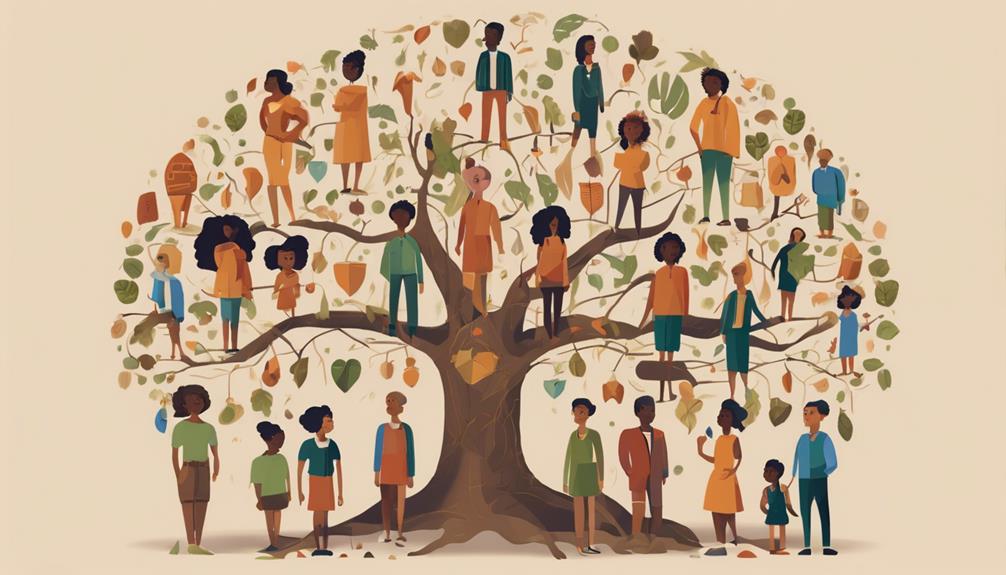
As you navigate the complex landscape of immigration laws and policies, it's essential to understand that you have inherent rights that can greatly impact your family's life, from education and healthcare to workplace protections and family reunification. Knowing your rights during immigration raids, detention, and deportation procedures can make a huge difference. You have the right to remain silent, to legal representation, and to access education and healthcare. Stay informed about evolving policies and regulations, and don't be afraid to seek help from legal aid organizations or immigration attorneys. The more you know, the more empowered you'll be to create a better future for yourself and your loved ones.
Understanding Immigration Laws and Policies
As you navigate the complex landscape of immigration, it's important to grasp the intricacies of immigration laws and policies that shape the lives of immigrant families. You'll find that understanding these laws and policies is essential in serving and advocating for these families. Immigration reform is a hotly debated topic, with many arguing that the current system is broken and in need of overhaul. You'll encounter discussions around border security, with some advocating for stricter measures to control the flow of people across borders, while others argue that a more compassionate approach is needed.
It's essential to stay informed about the latest developments in immigration reform, as these changes can greatly impact the lives of immigrant families. You may come across debates around the importance of border security, with some arguing that it's necessary for national security, while others see it as a way to demonize and dehumanize immigrants. As you explore further, you'll realize that immigration laws and policies are multifaceted and complex, influencing every aspect of an immigrant's life, from their ability to work and access education to their very status in the country.
As you work to serve and advocate for immigrant families, it's important to stay informed and educated about the intricacies of immigration laws and policies. By doing so, you'll be better equipped to provide support and resources to those who need it most.
Rights During Immigration Raids
When immigration agents knock on the door, you'll want to know that immigrant families have specific rights during immigration raids, including the right to remain silent and the right to an attorney. It's crucial to understand these rights to make sure you're prepared in case of a raid.
Raid Preparation is key to protecting yourself and your loved ones. Know your rights and have a plan in place. Designate a trusted friend or family member as a point of contact in case you're detained. Make sure they have important documents and contact information. Keep a list of emergency numbers, including your attorney's contact info, handy.
During a raid, remember you have the right to remain silent. Don't answer questions or provide any information without consulting an attorney. You also have the right to an attorney, so ask for one if you're detained. If you can't afford one, you'll be provided with a public defender.
Having a Legal Observer present can be incredibly helpful. They can witness the raid and ensure that your rights are respected. They can also provide emotional support during a stressful situation. Remember, you don't have to open the door unless the agents have a warrant signed by a judge. Stay calm, stay safe, and know your rights.
Detention and Deportation Procedures
As you navigate the complex process of detention and deportation, you'll encounter a range of concerns that can be overwhelming. You're likely wondering what happens when a loved one is taken into custody, and what the conditions are like in detention centers. You'll want to understand the deportation hearing process and the devastating consequences of family separation.
Detention Center Conditions
You may find yourself held in a detention center, surrounded by strangers, with limited access to legal counsel, and under harsh conditions that can exacerbate existing mental and physical health issues. The reality is that detention centers are often overcrowded, leading to unsanitary conditions, increased stress, and anxiety. Overcrowding concerns are a major issue, with facilities sometimes holding twice as many people as they're designed to. This can lead to the rapid spread of illnesses, making it difficult to maintain a healthy environment.
Medical neglect is another pressing concern in detention centers. You may experience delays or even denials of medical care, including essential medications and treatment for chronic conditions. This can be particularly devastating for individuals with pre-existing medical conditions, who may suffer further complications due to inadequate care. It's essential to be aware of these challenges and advocate for better conditions and access to healthcare for those detained.
Deportation Hearing Process
Frequently, the deportation hearing process unfolds slowly, leaving you in limbo as you await a verdict on your immigration status. It's important to understand the court protocol and develop effective hearing strategies to navigate this complex process. You'll typically receive a Notice to Appear, outlining the allegations against you and the scheduled hearing date. It's essential to attend all scheduled hearings, as failure to do so may result in an immediate deportation order. During the hearing, an immigration judge will review your case, and you'll have the opportunity to present evidence and testimony to support your claim. It's crucial to work with an experienced immigration attorney who can help you develop a strong defense and guide you through the complex court protocol. By understanding the deportation hearing process and developing effective hearing strategies, you can increase your chances of a favorable outcome. Remember, preparation is key, so take the time to gather necessary documents and build a strong case to present before the immigration judge.
Family Separation Consequences
When a family member is detained or deported, the consequences can be devastating, causing emotional trauma, financial instability, and even long-term psychological damage to those left behind. You may have seen the news stories about families torn apart, but the reality is that the trauma impact can last for years, leaving emotional scars on those left behind.
| Consequence | Impact |
|---|---|
| Emotional Trauma | Anxiety, Depression, PTSD |
| Financial Instability | Loss of Income, Debt, Homelessness |
| Long-term Psychological Damage | Low Self-Esteem, Trust Issues, Fear |
As you work with immigrant families, it's important to understand the far-reaching consequences of family separation. The trauma impact can affect not only the individual but also their loved ones, causing a ripple effect of emotional scars. It's essential to provide support systems and resources to help these families heal and rebuild their lives. By doing so, you can help mitigate the devastating consequences of family separation and promote a path towards healing and resilience.
Access to Education and Healthcare
Access to education and healthcare is an essential right that immigrant families must navigate, often facing significant barriers that can hinder their ability to thrive. As you work with immigrant families, you'll encounter numerous challenges that hinder their access to quality education and healthcare. One significant obstacle is language barriers. You'll notice that many immigrant families struggle to communicate effectively with educators and healthcare providers due to linguistic differences. This can lead to misunderstandings, misdiagnoses, and inadequate care.
To overcome these barriers, it's vital to prioritize cultural competency in education and healthcare settings. You can facilitate this by promoting diversity and inclusion initiatives, providing language access services, and training staff on cultural sensitivity. By doing so, you'll create an environment where immigrant families feel comfortable seeking help and receiving adequate care.
In education, cultural competency is essential in creating inclusive curricula and teaching methods that cater to diverse backgrounds. This enables immigrant students to feel seen and heard, leading to better academic outcomes and social integration. Similarly, in healthcare, cultural competency helps providers understand the unique needs and beliefs of immigrant patients, ensuring they receive tailored care that addresses their specific needs. By addressing language barriers and promoting cultural competency, you can help level the playing field for immigrant families, empowering them to thrive in their new communities.
Workplace Rights and Protections
As you shift your focus from the education and healthcare systems to the workforce, you'll find that immigrant families face another set of challenges in the workplace, where they often encounter exploitation, discrimination, and uncertain working conditions. Unfortunately, many immigrant workers are vulnerable to unfair labor practices, including wage theft, which can lead to financial instability and emotional distress.
| Workplace Rights | Your Role |
|---|---|
| Fair labor practices | Advocate for fair wages and working conditions |
| Protections from discrimination | Support policies that prevent discrimination based on race, nationality, or immigration status |
| Access to workplace safety | Ensure immigrant workers have access to safe working conditions and safety training |
| Freedom from wage theft | Report instances of wage theft and support policies that prevent it |
| Access to resources and support | Connect immigrant workers with resources and support services that can help them navigate workplace challenges |
As someone who cares about serving others, it's essential to understand the workplace challenges faced by immigrant families. By advocating for fair labor practices, protecting against discrimination, and facilitating access to resources and support, you can make a meaningful difference in the lives of immigrant workers. Remember, everyone deserves to work in a safe and respectful environment, free from exploitation and discrimination.
Family Reunification and Sponsorship
You're likely to encounter families who have been separated due to immigration policies or visa backlogs, and you can play an essential role in helping them navigate the complex process of family reunification and sponsorship. As you work with these families, you'll discover the importance of family ties in maintaining emotional and psychological well-being. The process of reunification can be lengthy and arduous, but the benefits are well worth the effort.
Through sponsorship, family members can reunite and rebuild their lives together. This not only brings emotional relief but also provides a sense of security and stability. Sponsorship benefits extend beyond the individual, as reunited families are more likely to thrive and contribute positively to their communities. By supporting family reunification and sponsorship, you're helping to strengthen family bonds and foster a sense of belonging.
As you guide families through this process, it’s essential to understand the intricacies of immigration policies and visa requirements. By doing so, you can help them navigate the complex system and overcome the obstacles that stand in their way. Your support can make a tangible difference in the lives of these families, allowing them to rebuild and start anew. By advocating for family reunification and sponsorship, you’re promoting a more compassionate and inclusive society that values the importance of family ties. In addition to providing guidance on immigration procedures, it is crucial to ensure that families have access to legal assistance for families in need. This support can empower them to present their cases effectively and secure the necessary documentation to remain together. By connecting families with resources and legal experts, you not only facilitate their journey but also foster a sense of hope and belonging within their communities.
Seeking Asylum and Refugee Status
When fleeing persecution or violence, individuals may seek asylum or refugee status, turning to you for guidance through the intricate and sometimes intimidating process of maneuvering the application and adjudication process. As you support asylum seekers, it's important to understand the complexities of their journey. Refugee stories often involve harrowing tales of survival, loss, and resilience. Your role is essential in helping them navigate the system, ensuring they receive the protection they desperately need.
Asylum seekers may have experienced trauma, torture, or other forms of persecution in their home countries. They may have witnessed violence, been forced to flee their homes, or been separated from loved ones. Your empathy and compassion can go a long way in helping them feel heard and understood. By providing a safe and non-judgmental space, you can empower them to share their stories and begin the healing process.
As you guide them through the application process, it's important to stay informed about the latest policies and regulations. Refugee status and asylum seekers' rights are constantly evolving, and staying up-to-date is crucial. By doing so, you can ensure that these individuals receive the protection and support they deserve, allowing them to rebuild their lives and start anew. Your dedication to serving others can make a tangible difference in the lives of asylum seekers and refugees, providing them with a sense of hope and a chance to rebuild.
Know Your Rights in Encounters
During encounters with law enforcement or immigration officials, understanding your rights is crucial to protecting yourself and your family from potential abuse or exploitation. You have the right to remain silent and the right to an attorney, just like U.S. citizens. If you're stopped by police or immigration agents, remember that you don't have to answer questions or provide identification unless you're arrested.
At border stops, you have the right to refuse to answer questions about your immigration status or citizenship. However, it's essential to be respectful and cooperative. If you're detained, you have the right to request an attorney and to contact your consulate.
In police encounters, you have the right to ask if you're free to leave. If the officer says no, you're being detained, and you should ask for an attorney. Remember, you don't have to consent to a search of your person, car, or home without a warrant. If you're arrested, you have the right to an attorney and to communicate with your consulate.
Remember to stay calm, be respectful, and assert your rights. Don't sign anything you don't understand, and don't provide false information. If you're unsure about your rights or need assistance, don't hesitate to reach out to a trusted legal aid organization or an immigration attorney. By knowing your rights, you can protect yourself and your family from potential abuse or exploitation.
Frequently Asked Questions
Can I Apply for Citizenship if I Have a Criminal Record?
You're wondering if a criminal record will bar you from applying for citizenship. Let's consider Juan's case: he was convicted of minor theft as a teen, but has since turned his life around. While a criminal record can be an obstacle, it's not always a deal-breaker. If you're eligible, you might consider applying for a pardon, which can improve your chances. Additionally, record expungement might be an option. Don't give up hope – explore these avenues and consult with an expert to discuss your specific situation.
Will I Be Deported if I Report a Crime to the Police?
If you report a crime to the police, you're likely worried about being deported. Don't let fear factors hold you back from seeking help. Thanks to police cooperation policies, many law enforcement agencies have pledged not to ask about immigration status when you report a crime. You're encouraged to come forward and report crimes, as it's vital for your safety and the community's well-being.
Can I Get a Green Card if I'm a Victim of Domestic Violence?
If you're a victim of domestic violence, you might be eligible for a green card. You don't have to suffer in silence! The US offers abuse protection through the Violence Against Women Act (VAWA). As a victim, you can apply for a VAWA self-petition, which can lead to visa eligibility. You'll need to provide evidence of the abuse and your relationship with the abuser. Don't hesitate to seek help – you deserve a safer, brighter future.
Do I Need a Lawyer to Apply for a Visa or Green Card?
When considering applying for a visa or green card, you're wondering if you need a lawyer. While it's not required, having a lawyer can be beneficial, especially if your application is complex or has unique circumstances. Be prepared for legal fees, which can add up quickly. A lawyer can help navigate the complex application process, ensuring everything is filled out correctly and increasing your chances of approval. Don't risk delays or denials – consider hiring a lawyer to guide you through the process.
Can I Bring My Same-Sex Partner to the US on a Visa?
You're wondering if you can bring your same-sex partner to the US on a visa. Fortunately, the answer is yes! Since the Supreme Court legalized same-sex marriage in 2015, you can now sponsor your partner's visa application. You'll need to explore visa options, such as a fiancé(e) visa or a spouse visa, and gather required documents. While the process can be complex, it's definitely possible to bring your loved one to the US.


