You've been in a car accident, and now it's vital to take the right legal steps to protect your rights and interests. First, prioritize your health and seek medical attention immediately. Then, report the accident to the police to establish a formal record. Document the accident scene, exchange information with all parties involved, and notify your insurance company. Don't fall for insurance company traps, and consider consulting with a car accident lawyer to understand your legal options. By taking these steps, you'll be well on your way to managing the legal process – and there's more to discover about how to maximize your claim.
Seek Immediate Medical Attention
After a car accident, you should prioritize your health and seek immediate medical attention, even if you don't think you're seriously injured. It's important to remember that some injuries, like whiplash or concussions, may not show symptoms right away. Delaying medical care can lead to complications, prolonged recovery, or even long-term damage.
Your medical priority should be to get checked out by a healthcare professional as soon as possible. Don't hesitate to visit an urgent care center or emergency room if you're experiencing any pain, discomfort, or discomfort. Even if you're feeling okay, it's vital to get a thorough medical evaluation to rule out potential internal injuries.
In many cases, injuries from car accidents may not be immediately apparent, and symptoms can take hours or even days to manifest. By seeking immediate medical attention, you can make sure you receive proper treatment and prevent potential long-term health issues. Additionally, documenting your injuries and medical treatment will be important in any potential legal proceedings.
Report the Accident to Police
Now that you've sought medical attention, it's time to focus on the administrative tasks, starting with notifying the authorities about the accident. This is an important step in the legal process, as it helps establish a formal record of the incident.
Reporting the accident to the police is a standard procedure in most jurisdictions, and it's essential to follow the local police procedures for accident reporting. You can usually find this information on the police department's website or by calling the non-emergency number. In some cases, you may need to file a report in person at the police station.
It's essential to understand that police procedures for reporting accidents vary, so it's crucial to familiarize yourself with the accident protocol in your area. Typically, you'll need to provide basic information about the accident, including the date, time, location, and a brief description of what happened. Be prepared to provide your contact information, insurance details, and vehicle information as well.
Document Accident Scene Evidence
Now that you've reported the accident to the police, it's important to document the accident scene evidence while it's still fresh. You'll want to capture as much detail as possible, so take out your phone and start snapping photos of the damage, any visible injuries, and the surrounding area. By doing so, you'll be collecting valuable evidence that can help support your claim later on.
Take Photos Immediately
Take out your phone and snap photos of the accident scene from multiple angles, capturing damage to all vehicles and any visible injuries. This visual evidence will be vital in supporting your insurance claim or potential legal case. As you take photos, consider the following camera angles and photo sequence:
| Camera Angle | Photo Description | Purpose |
|---|---|---|
| Wide shot | Capture the entire accident scene, including all vehicles and debris | Establish context and scope of the accident |
| Medium shot | Focus on individual vehicles, highlighting damage and license plates | Document vehicle damage and identification |
| Close-up shot | Take clear, detailed photos of any visible injuries or damage to specific vehicle parts | Emphasize severity of injuries and damage |
Remember to take multiple photos from each angle, ensuring you have a thorough visual record of the accident scene. By following this photo sequence, you'll create a strong foundation for your case and help guarantee a smoother claims process.
Collect Witness Statements
As you've captured the accident scene's visual evidence, turn your attention to the people around you, as their eyewitness accounts can greatly enhance your case. Identify potential witnesses and ask for their contact information. It's vital to approach them calmly and politely, making sure you obtain accurate and unbiased statements. Ask open-ended questions to encourage detailed responses, and take notes or record their statements with their permission.
Focus on gathering consistent statements that align with the physical evidence. Be cautious of witnesses who may be biased or have conflicting accounts, as their statements may impact witness credibility. It's essential to assess the credibility of each witness, considering their proximity to the accident, their level of attention, and any potential motivations that might influence their testimony. By collecting thorough and consistent witness statements, you'll strengthen your case and provide a clearer understanding of the accident's events. Remember to store the statements safely, along with the visual evidence, to establish a solid foundation for your claim.
Preserve Physical Evidence
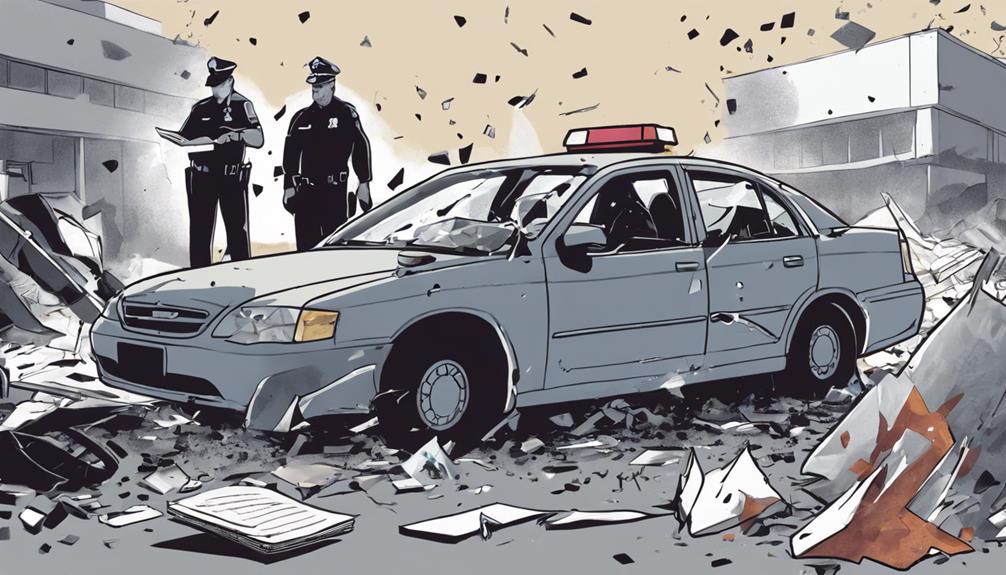
Important details at the accident scene can be fleeting, so it's essential you preserve physical evidence to support your case, from skid marks to shattered glass. As you document the accident scene, remember that every piece of evidence you collect can be vital in building a strong case.
Here are some key things to keep in mind when preserving physical evidence:
- Take photos and videos: Capture the accident scene from multiple angles, including close-ups of damage to vehicles and any visible injuries.
- Collect physical items: Gather items like broken glass, torn fabric, or other debris that may be relevant to your case.
- Maintain a chain of custody: Make sure that all evidence is handled properly, and its movement is documented to preserve its integrity.
Proper evidence handling is critical to make sure that your evidence is admissible in court. By following these steps, you'll be able to preserve physical evidence that can help support your case and ultimately, get the compensation you deserve.
Exchange Information With Parties
After ensuring your safety, you'll need to exchange information with all parties involved in the accident, including drivers, passengers, and witnesses. This step is important in building a strong case, should you need to file a claim or take legal action. Make sure to gather the following information: names, phone numbers, addresses, and email addresses. Don't forget to get the insurance cards and policy numbers from the other drivers involved. If there are witnesses, take down their contact information as well.
Take a photo of the other drivers' license plates, as this can be useful evidence later on. You should also document the make, model, and year of the vehicles involved. If the police are called to the scene, they'll likely take statements from everyone involved, but it's still a good idea to get this information yourself. Try to get a brief statement from the other parties about what happened, but be cautious not to admit fault or apologize, as this can be used against you later.
Remember to stay calm and polite during the information exchange. Avoid getting into arguments or discussing who's at fault. Your goal is to gather facts, not to assign blame. By collecting this information, you'll be well-prepared to handle the next steps in the process, including notifying your insurance company and potentially seeking legal counsel.
Notify Your Insurance Company
You'll want to notify your insurance company about the accident as soon as possible. This will help you understand your coverage and start the claims process. Even if you don't plan to file a claim, it's essential to inform your insurer to avoid any potential issues with your policy.
When you notify your insurance company, be prepared to provide detailed information about the accident, including the date, time, location, and parties involved. Be honest and accurate when sharing this information, as it will assist your insurer in processing your claim efficiently.
Here are three key things to keep in mind when notifying your insurance company:
- Policy Review: Take this opportunity to review your policy to understand your coverage, deductibles, and any limitations.
- Premium Impact: Be aware that filing a claim may impact your premium rates. Understand how your insurer will handle the claim and how it may affect your future premiums.
- Accurate Information: Provide accurate and detailed information about the accident to facilitate a smooth claims process.
Keep a Post-Accident Journal
As you navigate the aftermath of a car accident, it's essential to keep a post-accident journal to document vital details. You'll want to record specifics about the accident, including the date, time, location, and any relevant witness statements. By doing so, you'll create a valuable resource to track your progress and support your insurance claim or potential legal case.
Recording Accident Details
Recording every detail of the accident and its aftermath is essential, and keeping a post-accident journal can help you do just that. This will help you create an accurate accident timeline, which can be vital in case of legal proceedings. By documenting every detail, you'll be able to recall even the smallest details that may seem insignificant now but could become important later.
To get started, consider including the following in your journal:
- Accident chronology: Write down the events leading up to the accident, the accident itself, and what happened afterwards. Try to recall as many details as possible, including the time of day, weather conditions, and any conversations with other parties involved.
- Injury and damage notes: Record any injuries you sustained, including their severity and any medical treatment you received. Also, document any damage to your vehicle or other property.
- Witness statements and contact info: If there were any witnesses to the accident, try to get their contact information and a brief statement of what they saw.
Tracking Injury Progress
By documenting your injuries and treatment in your post-accident journal, you'll create a valuable record of your progress that can help establish a clear connection between the accident and your injuries. This journal will serve as an essential tool in tracking your recovery and can be used as evidence in potential legal proceedings.
As you document your journey, be sure to note every detail, no matter how small it may seem. Record your pain levels, medication, and any pain management strategies you're using. Also, keep track of medical milestones, such as doctor's appointments, surgeries, and therapy sessions. This will help you stay organized and provide a detailed view of your treatment.
Remember to include photos of your injuries, medication lists, and any correspondence with medical professionals. By keeping a thorough and detailed journal, you’ll be better equipped to navigate the legal process and ensure you receive the compensation you deserve. Additionally, it’s important to maintain an organized folder for all your essential legal documents checklist to streamline your claims process. Having these documents readily accessible can significantly reduce stress and help you respond promptly to any requests from your legal team or insurance companies. By being proactive in documenting your experiences and maintaining this checklist, you’ll strengthen your position and improve your chances of a favorable outcome.
Gather Witness Statements
Witnesses to the accident can provide valuable information, so it's essential to approach them quickly and ask for their contact information and a brief description of what they saw. Their statements can be vital in establishing the facts of the accident and can help support your claim. When gathering witness statements, it's essential to prioritize Witness Reliability and Statement Authenticity.
Here are some tips to keep in mind:
- Get contact information: Ask witnesses for their name, phone number, and address. This will allow you to follow up with them if needed.
- Take detailed notes: Write down what each witness saw, including the sequence of events, the actions of the drivers involved, and any other relevant details.
- Verify their account: Ask follow-up questions to clarify any unclear points and confirm the witness's statement is accurate.
Preserve Vehicle and Property
As you navigate the aftermath of a car accident, it's important you take immediate action to preserve your vehicle and property. You'll want to thoroughly document the damage to your vehicle and any personal property, which will be essential in supporting your insurance claim. By doing so, you'll guarantee you have a detailed record of the incident, which will be crucial in the days and weeks to come.
Document Damage
Take photos and videos of the damage to your vehicle and any other property, like fences or buildings, from multiple angles to create a thorough visual record. This will help you accurately document the damage for insurance purposes and potentially support your claim.
When evaluating the damage, make a note of the following:
- Extent of damage: Take close-up shots of scratches, dents, and broken glass to show the extent of the damage.
- Property damage: Document any damage to other property, such as fences, buildings, or signs.
- Vehicle condition: Take photos of the vehicle's interior, including any deployed airbags, to show the full extent of the damage.
Take Photos
You'll want to preserve your vehicle and any damaged property in their current state until they can be inspected by insurance adjusters or other experts, so it's important to take photos of everything before repairs or cleaning occur. This visual evidence will help support your claim and provide a detailed record of the damage. When taking photos, make sure to capture multiple camera angles, including close-ups, wide shots, and 360-degree views of the vehicle and surrounding area. This will help to create a thorough visual representation of the accident scene. Avoid editing or altering the photos in any way, as this can be seen as tampering with evidence. Instead, keep the original, unedited images as proof of the damage. Remember to date and timestamp the photos, and consider keeping a separate folder or album to store them. By taking clear, detailed photos, you'll be well-prepared to support your claim and ensure a smoother claims process.
Secure Vehicle
Secure your damaged vehicle and any affected property by leaving them untouched and unaltered, allowing experts to inspect and assess the damage firsthand. This is important in preserving evidence that may be essential in determining liability and processing insurance claims.
To guarantee your vehicle is properly secured, consider the following:
- Towing options: If your vehicle is not drivable, arrange for it to be towed to a secure location, such as a storage facility or a repair shop. Make sure to get a detailed receipt from the towing company.
- Vehicle storage: Store your vehicle in a secure, protected area to prevent further damage or tampering. This will help maintain the integrity of the evidence.
- Preserve the scene: If possible, take photos of the accident scene and any debris to further support your claim.
Avoid Insurance Company Traps
Since the insurance company's goal is to minimize payouts, be prepared for their adjusters to employ tactics that can undermine your claim. They may use various strategies to reduce or deny your claim, so it's crucial to be aware of their tactics.
| Insurance Company Tactics | Your Response |
|---|---|
| Claim Denials | Verify policy details and gather evidence to support your claim |
| Policy Loopholes | Review your policy carefully and ask questions if unclear |
| Lowball Offers | Don't accept the first offer; negotiate or seek legal advice |
| Delaying Tactics | Stay organized, and follow up regularly to ensure progress |
| Misleading Questions | Be cautious when answering questions, and consider consulting a lawyer |
Consult With a Car Accident Lawyer
If you're struggling to navigate the claims process or feel overwhelmed by the insurance company's tactics, consider consulting a car accident lawyer who can provide guidance and support to help you secure a fair settlement. A car accident lawyer can help you level the playing field and guarantee you receive the compensation you deserve.
Here are three key benefits of consulting a car accident lawyer:
- Expertise in case strategy: A car accident lawyer will develop a tailored case strategy to maximize your compensation, taking into account the specifics of your accident and the laws in your state.
- Protection from insurance company tactics: A lawyer will handle communications with the insurance company, safeguarding you from lowball offers and aggressive tactics.
- Transparency on lawyer fees: A reputable car accident lawyer will clearly explain their fee structure, ensuring you understand how they'll be compensated for their services.
When consulting a car accident lawyer, it's essential to ask about their experience, success rate, and fees. Don't hesitate to ask questions, as this will be an important partnership in securing the compensation you deserve. Remember, a car accident lawyer is there to advocate for you and guarantee you receive a fair settlement.
Understand Your Legal Options
Now that you've considered consulting a car accident lawyer, it's time to understand your legal options, including filing a lawsuit or negotiating a settlement, to determine the best course of action for your case. Understanding your legal rights and options is vital in ensuring you receive fair compensation for your injuries and damages.
Your lawyer will help you navigate the claim process, dealing with insurance companies and their adjusters, to secure the best possible outcome. It's essential to know that you have the right to pursue a lawsuit if negotiations fail. In this case, your lawyer will guide you through the legal process, from preparing your case to representing you in a jury trial.
When evaluating your case, your lawyer will assess its value, taking into account your injuries, medical expenses, lost wages, and other factors. This will help determine the settlement options available to you. Be aware that legal fees are typically contingency-based, meaning you won't pay unless your lawyer secures a settlement or wins your case.
Frequently Asked Questions
Can I File a Claim if the Accident Was Partially My Fault?
If you're wondering if you can file a claim if the accident was partially your fault, the answer is yes. You can still file a claim, but your degree of fault will impact the outcome. This is known as comparative negligence or shared liability. You'll need to prove the other party's fault, and the amount of compensation you receive will be reduced by your percentage of fault. Don't hesitate to seek legal guidance to navigate this complex process.
How Long Do I Have to Report the Accident to My Insurance Company?
You're probably wondering how long you have to report the accident to your insurance company. Check your policy for specific timeframe expectations, as they vary. Typically, you'll have anywhere from a few days to a month to notify them. Don't delay, as this can impact your claim. Review your policy limits to understand what's covered and what's not. The sooner you report the accident, the better.
Can I Sue the Other Driver for Emotional Distress?
You're wondering if you can sue the other driver for emotional distress. Yes, you can. If the accident has left you with anxiety attacks, pain, and suffering, you may be entitled to compensation. You've experienced emotional trauma, and it's impacting your daily life. Don't hesitate to seek justice for the emotional pain you've endured. Consult with an attorney to explore your options and fight for the compensation you deserve.
Do I Need to Report the Accident to the Dmv?
As you dust off the debris from the accident, one important step emerges from the fog: reporting the incident to the DMV. Don't let this task slip through the cracks! You're likely wondering, 'Do I need to report the accident to the DMV?' The answer is yes, and it's vital to understand the DMV requirements and filing timeline. Typically, you'll need to file a report within 10 days of the accident. Don't delay – get it done, and you'll be one step closer to putting this ordeal behind you.
Can I Settle With the Insurance Company Without a Lawyer?
You're wondering if you can settle with the insurance company without a lawyer. While it's possible, be cautious. Insurance companies often make lowball offers to save money. You'll need to navigate complex insurance negotiation tactics to get a fair company offer. Without a lawyer, you may undervalue your claim or overlook important details. Consider consulting an attorney to make sure you receive a fair settlement that meets your needs.