
Scent matters in home design as it directly influences your mood and emotions. The right aromas can evoke cherished memories, creating a warm and inviting atmosphere. For instance, lavender promotes relaxation in bedrooms, whereas citrus scents can energize your workspace. By thoughtfully selecting scents, you can elevate the ambiance, making your home feel like a sanctuary. Using natural fragrances supports your well-being and the environment, too. Plus, a personalized scent profile leaves lasting impressions on guests. Discovering how to incorporate these fragrances can transform your space in ways you may not have envisioned.
The Science of Scent
Scent plays a potent role in how we perceive our surroundings, often influencing our mood and behavior in subtle ways. As you navigate your home, think about how scent perception intertwines with your daily experiences. This isn't just about the pleasant aroma of fresh flowers or baked cookies; it's rooted deeply in olfactory psychology.
Your brain processes scents in a unique way, linking them to memories and emotions. That cozy vanilla scent may remind you of family gatherings, as the crispness of citrus can evoke feelings of energy and clarity. When you design your space, consider how different fragrances can improve your environment.
Imagine walking into a room filled with the soothing aroma of lavender. It wraps around you like a warm hug, encouraging relaxation after a long day. Or picture a lively kitchen infused with the zesty smell of rosemary, igniting your creativity as you whip up dinner. These experiences shape your perception of the space, making it feel more inviting and personal.
Incorporating specific scents into your home isn't just a design choice; it's a way to curate your emotional surroundings. Think about how you want to feel in each room, and choose fragrances that resonate with those desires. By grasping the science behind scent, you can create a haven that nurtures your spirit and improves your everyday life, reminding you of the profound connection between scent and well-being.
Emotional Responses to Fragrance
Fragrances have a remarkable ability to evoke emotional responses that can shape your experiences in a setting. When you walk into a room and inhale a familiar scent, it can instantly lift your mood or transport you to a cherished moment. This connection between fragrance and feelings taps into fragrance psychology, revealing how different aromas can trigger various emotional responses.
Here are four common emotional triggers linked to specific scents:
- Lavender: Promotes relaxation and calm, perfect for a cozy bedroom.
- Citrus: Invigorates your senses and improves focus, ideal for a productive home office.
- Vanilla: Evokes warmth and comfort, creating a nurturing atmosphere in living areas.
- Pine: Inspires feelings of peace and grounding, great for connecting with nature indoors.
By thoughtfully incorporating these fragrances into your home design, you can create intimate environments that resonate with your emotions. Each scent you choose can evoke specific memories, inspire creativity, or even soothe your spirit.
Think about how certain fragrances can transform your setting into a sanctuary where you feel safe and loved. Whether you're lighting a candle or using key oils, you're not just scenting your home; you're crafting a unique emotional terrain that reflects who you are. So, as you design your home, remember the influence of fragrance and its ability to enrich your emotional well-being. Embrace the art of scent to cultivate a space that truly feels like yours.
Scent and Memory Connection
The connection between scent and memory is a fascinating phenomenon that can transport you to different times and places in an instant. Think about the last time you caught a whiff of freshly baked cookies or the earthy aroma of rain on dry pavement. Those scents likely stirred up feelings of comfort and warmth, taking you back to cherished moments in your life. This is the influence of scent nostalgia, where specific fragrances act as olfactory triggers, revealing vivid memories and emotions.
When designing your home, consider how fragrances can improve your living space and evoke meaningful recollections. You might choose scents that remind you of family gatherings, vacations, or quiet evenings spent with loved ones. By incorporating these fragrances into your environment, you create an intimate atmosphere that resonates with your personal history.
Imagine walking into your home and being greeted by the comforting scent of lavender, instantly recalling peaceful evenings spent in your grandmother's garden. Or perhaps, you prefer the invigorating aroma of citrus, reminiscent of summer road trips with friends. These olfactory triggers not merely uplift your mood but additionally deepen your connection to your space.
Ultimately, scent can weave a narrative through your home, making it a sanctuary filled with memories. So, as you think about your home design, don't underestimate the influence of fragrance. By carefully selecting scents that resonate with your experiences, you'll transform your space into a haven of nostalgia and warmth.
Creating Ambiance With Aromas
By weaving together memories and scents, you can improve the ambiance of your home in delightful ways. The right aromas can transform your space, creating an atmosphere that feels inviting and intimate. To help you achieve this, consider these four tips for effective scent layering and aroma combinations:
- Choose a base scent: Start with a single, comforting fragrance that resonates with you, like vanilla or sandalwood. This will serve as the foundation for your aroma expedition.
- Add complementary notes: Layer in scents that improve your base aroma. For instance, citrus notes can brighten a warm vanilla, whereas earthy tones can deepen the experience.
- Experiment with intensity: Adjust the strength of your scents to fit different moods. A subtle, calming lavender may be perfect for a cozy evening, whereas a lively eucalyptus can energize your mornings.
- Incorporate seasonal changes: Let your home reflect the seasons with aroma combinations that evoke their essence. Think fresh florals in spring, warm spices in fall, or crisp pine in winter.
Choosing the Right Scents
When selecting scents for your home, consider how each fragrance affects your mood and complements your lifestyle. Scents have the ability to transform spaces, creating a sense of comfort and warmth. Think about what feelings you want to evoke in each room. For example, calming lavender might be perfect for your bedroom, whereas invigorating citrus can brighten your kitchen.
Explore the different fragrance families—citrus, floral, woody, and spicy—and how they resonate with your personal style. You might find that blending scents from various families can create a unique atmosphere that feels distinctly yours. This is where scent layering comes into play. By combining complementary fragrances, you can craft a multi-dimensional aroma that improves your environment.
Start with a base note, such as sandalwood or vanilla, then add middle notes like jasmine or rosemary, and finish with a top note, such as bergamot or mint. This thoughtful layering creates a dynamic scent profile that evolves over time, inviting curiosity and engagement.
Natural vs. Synthetic Fragrances
When choosing scents for your home, you need to contemplate the health impacts of both natural and synthetic fragrances. Natural scents often come from plant sources and can promote wellness, whereas synthetic fragrances may contain chemicals that can trigger allergies or respiratory issues. Furthermore, think about the sustainability of the ingredients—are you supporting eco-friendly practices or contributing to environmental harm?
Health Impacts of Fragrances
Fragrances play a significant role in home design, but their health impacts can vary widely between natural and synthetic options. Comprehending these differences is crucial for creating a space that feels good and supports your well-being.
Here are some key points to reflect on:
- Fragrance Allergies: Synthetic fragrances often contain allergens that can trigger reactions in sensitive individuals. Natural options may be less likely to cause these issues.
- Chemical Exposure: Many synthetic fragrances release volatile organic compounds (VOCs), which can contribute to headaches and respiratory problems. Natural scents usually have fewer harmful chemicals.
- Scent Preferences: Your personal scent preferences matter. Choosing fragrances that resonate with you emotionally can improve your mood and comfort at home.
- Long-term Effects: Regular exposure to synthetic fragrances may have cumulative health effects. Opting for natural alternatives reduces this risk, promoting a healthier environment.
Sustainability of Ingredients
Considering the growing emphasis on eco-conscious living, the sustainability of fragrance ingredients has become a crucial topic in home design. You want your home to not just smell good but likewise align with your values. Natural fragrances often come from plants and require sustainable sourcing, which supports biodiversity and reduces environmental harm. Conversely, synthetic fragrances can offer ingredient transparency, but they may not always be derived from eco-friendly practices.
Here's a quick comparison to help you decide:
| Aspect | Natural Fragrances |
|---|---|
| Source | Plant-based |
| Sustainability | Often sustainably sourced |
| Ingredient Transparency | Sometimes limited |
| Environmental Impact | Typically lower |
| Cost | Usually higher |
When you choose fragrance for your home, consider how each option aligns with your commitment to sustainability. Opting for natural ingredients can create a cozy, inviting space while supporting eco-friendly practices. Remember, the scents you choose can whisper your values into every corner of your home, inviting warmth and connection whilst caring for the planet.
Scent Diffusion Techniques
Numerous scent diffusion techniques can transform your home into a fragrant oasis, enhancing both comfort and ambiance. When you create an inviting atmosphere through scent, you invite relaxation and connection. Here are some effective methods to evaluate:
- Scented Candles: They not just add warmth to your space but additionally allow you to explore scent layering. Choose candles that blend well with your existing decor and fragrances, creating fragrance harmony.
- Vital Oil Diffusers: These devices disperse vital oils into the air, filling your home with natural aromas. Experiment with different combinations to find your ideal scent profile, enhancing intimacy in your living spaces.
- Potpourri and Sachets: Place fragrant potpourri in bowls or sachets in drawers and closets. This low-maintenance option allows you to enjoy subtle, lingering scents, helping to create a cozy environment.
- Room Sprays: Quick and easy, room sprays can refresh your space instantly. Look for natural options to maintain fragrance harmony, and personalize your scent layering by mixing different sprays.
Seasonal Scents in Home Design
Transforming your home's scent isn't just about choosing the right diffusion technique; it's additionally about embracing the changing seasons. As the weather shifts, so should the aromas that fill your space. Seasonal blends can evoke memories, create warmth, and invite comfort. Think about how a fresh spring breeze infused with blooming florals or the crisp scent of autumn leaves can transform your environment into a sanctuary.
In winter, you might gravitate toward festive aromas like cinnamon, nutmeg, and pine. These scents can instantly wrap you in a cozy embrace, making your home feel inviting to family and friends. Envision the joy of gathering with loved ones, the air filled with the sweet aroma of gingerbread cookies, making every moment feel special.
As summer arrives, opt for bright, citrusy notes or invigorating herbal blends. Scents like lemon verbena or mint can energize your space, creating a lively atmosphere perfect for gatherings or quiet afternoons with a book. You'll find that these seasonal scents not only uplift your mood but additionally connect you to the rhythm of nature.
When you embrace the essence of each season through scent, you create an intimate ambiance that resonates with both you and your guests. So go ahead, explore and experiment with seasonal blends, and let your home tell a fragrant story that changes with the calendar. Your space will feel alive, breathing in harmony with the world outside.
Scent and Interior Style
There's something magical about how scent can improve your interior style, creating a cohesive and inviting atmosphere. When you think about your home, consider how scent can enrich your space, making it feel more personal and welcoming. Scent trends are evolving, and incorporating them into your design can transform your environment. Here are a few ways to raise your interior style with scent:
- Choose Signature Scents: Identify a few scents that resonate with you—perhaps fresh linen or warm vanilla—and use them throughout your home to create a signature fragrance.
- Experiment with Scent Layering: Combine different scents in various rooms. For instance, pair citrus in the kitchen with cozy spices in the living room for a warm, inviting feel.
- Utilize Natural Elements: Incorporate aromatic oils or natural materials like dried flowers and herbs, which not only add beauty but likewise bring delightful aromas into your space.
- Seasonal Adjustments: Consider changing your scents with the seasons. Fresh florals in spring, earthy notes in fall—this keeps your home feeling fresh and aligned with the time of year.
Impact on Guest Perception
When your guests walk into your home, the scent can leave a lasting impression that shapes their overall experience. It's amazing how a simple aroma can evoke feelings of warmth and comfort, improving their sense of welcome. Think about the first impressions you want to create; scent branding plays an essential role in this. Whether it's the fresh scent of citrus or the comforting aroma of baked goods, these olfactory cues can transform your space into an inviting sanctuary.
The atmosphere improvement is important for social dynamics. A carefully chosen scent can set the tone for gatherings, making conversations flow more freely and nurturing connections. Your guests will likely feel more at ease, allowing for deeper interactions. Additionally, cultural perceptions of scent can vary greatly, so being mindful of your social circle's scent preferences can lead to a more inclusive environment.
Imagine walking into a home filled with the aroma of lavender or freshly brewed coffee; it instantly creates a sense of calm and familiarity. These scents can help establish an emotional connection, turning a casual visit into a memorable experience. By considering the impact of scent on guest comfort, you're not just decorating your home; you're curating an experience that speaks to the heart. When your home smells good, it invites your guests to relax and enjoy their time with you, nurturing cherished moments and lasting memories.
Practical Tips for Incorporation
Incorporating scent into your home design can be as simple as strategically placing scented candles and using vital oil diffusers. Think about where you'll enjoy these scents the most, like living areas or bedrooms, to create a welcoming atmosphere. With just a few adjustments, you can improve your space and influence how it feels.
Scented Candles Placement
Enhancing your home's ambiance with scented candles can be a delightful experience, but their placement plays a crucial role in maximizing their effect. To create intimacy and improve your space, consider these practical tips for candle placement:
- Living Room Corners: Position candles in corners or on side tables. This creates a warm glow that draws people in, inviting them to linger and connect.
- Dining Table Centerpiece: Use candles as part of your table decor. Opt for varying heights and scents to achieve a beautiful candle aesthetic during meals, promoting scent layering.
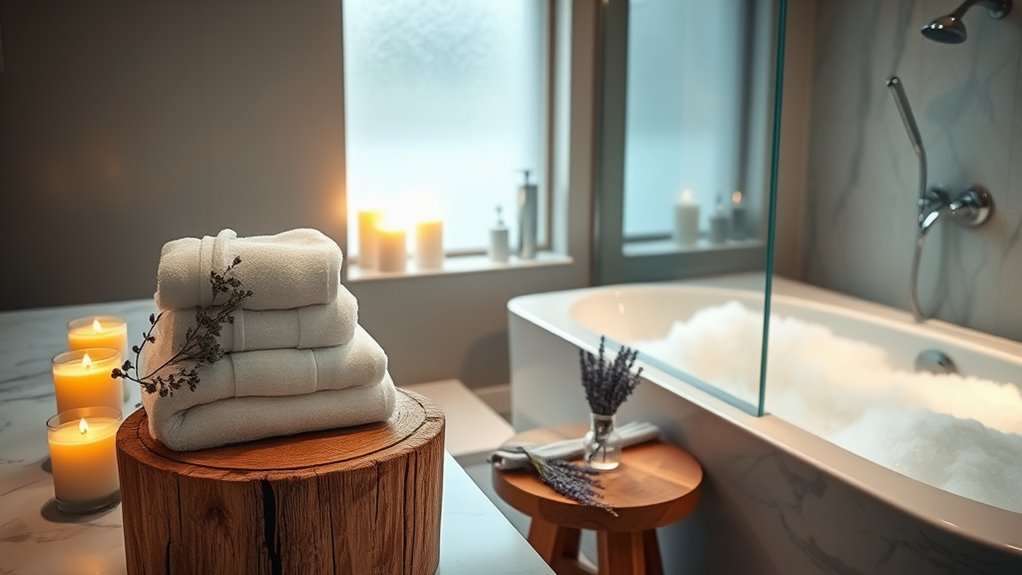
- Bathroom Retreat: Place scented candles near your bathtub or sink. The soft flicker and soothing scents can transform a regular bath into a relaxing spa experience.
- Entryway Welcome: Set candles on a console in your entryway. This welcomes guests with a warm, inviting scent and establishes a cozy atmosphere as soon as they step inside.
Essential Oils Diffusers
Transforming your home's atmosphere with vital oil diffusers can be an energizing way to promote wellness and relaxation. These devices come in various types, from ultrasonic to nebulizing, allowing you to choose the one that fits your lifestyle best. Consider creating vital oil blends that resonate with you—perhaps a calming lavender for the bedroom or a revitalizing citrus for your kitchen.
Scent layering can be a delightful way to improve your experience; combine different oils to craft a unique aroma that reflects your personality. Don't forget about diffuser maintenance; regularly clean your device to guarantee the scent intensity remains strong and true.
If you're always on the go, travel diffusers are a brilliant option, letting you enjoy aromatherapy benefits anywhere you roam. Consider room-specific scents to create a harmonious atmosphere throughout your home. Embrace scent marketing principles by using smells that evoke positive memories or moods.
For a personal touch, try DIY diffusers—simple to make and deeply satisfying. By incorporating these practical tips, you'll transform your space into a sanctuary of soothing scents, enriching your daily life with every breath.
Personalizing Your Home's Scent
Your home's scent can create an inviting atmosphere that reflects your personality and style. Personalizing your space's fragrance isn't just about masking odors; it's about crafting an experience that feels uniquely you. Here's how to achieve that perfect scent profile through fragrance personalization and scent layering:
- Choose Your Signature Note: Start with a fragrance that resonates with you. Whether it's fresh citrus, warm vanilla, or earthy sandalwood, this will serve as your foundation.
- Layer Scents Thoughtfully: Incorporate different scents that complement your signature note. For instance, pair a floral top note with a musky base to create depth and warmth in your home ambiance.
- Consider the Space: Different areas of your home may benefit from distinct scents. For a calming bedroom, choose soothing lavender, whereas a lively kitchen could embrace zesty lemon or herbal rosemary.
- Customize with Accessories: Use candles, diffusers, or potpourri to improve your chosen scent. Each method allows for easy adjustments, so you can experiment until you find the perfect blend.
When you personalize your home's scent, you invite a sense of comfort and intimacy that's hard to replicate. Allow your fragrance to tell your story, creating a warm embrace when friends and family enter your space. Embrace scent layering to raise the atmosphere, and watch as your home transforms into a fragrant haven that feels just right for you.
Frequently Asked Questions
How Can I Neutralize Unpleasant Odors in My Home?
To neutralize unpleasant odors in your home, you can try several effective odor elimination techniques. Start by using natural deodorizing solutions like baking soda, vinegar, or crucial oils. Place bowls of baking soda in problem areas to absorb smells, or mix vinegar with water for a quick spray. Open windows to let fresh air in, and consider adding houseplants. These small changes can create a revitalizing atmosphere you'll love coming home to.
Are There Scents That Can Improve Focus and Productivity?
Absolutely, certain scents can really boost your focus and productivity. Citrus scents, like lemon and orange, energize your mind and uplift your mood, making it easier to tackle tasks. Herbal aromas, such as rosemary and peppermint, sharpen your concentration and improve memory retention. So, when you're working, try diffusing these scents or lighting a candle. You'll find that creating an inviting atmosphere can transform your workspace into a haven of inspiration and clarity.
What Are the Best Scents for Small Spaces?
When you're choosing the best scents for small spaces, think about candle choices that evoke warmth and comfort. Opt for soft, inviting fragrances like vanilla or fresh linen. You can additionally experiment with scent layering by combining complementary candles, like citrus with herbal notes, to create a cozy atmosphere. These combinations make your space feel more intimate, wrapping you in delightful aromas that promote relaxation and connection. Enjoy crafting your perfect olfactory haven!
How Do Scents Affect Sleep Quality?
Envision slipping into a slumber so deep it feels like floating on clouds! Scents play a huge role in that dream. When you embrace sleep hygiene, the right aromas can transform your nights. Lavender, chamomile, and sandalwood weave their magic through aromatic therapy, helping you drift off peacefully. You'll wake up refreshed, as if wrapped in a warm hug. So, why not sprinkle a little fragrance and let your dreams take flight?
Can Certain Fragrances Repel Insects?
Yes, certain fragrances can definitely repel insects! You can create effective natural repellents using scent combinations like lavender, peppermint, and eucalyptus. By blending these scents, you'll not just keep pesky bugs at bay but additionally fill your space with delightful aromas. Just a few drops in a diffuser or a homemade spray can make your home feel cozy and inviting as well as ensuring those unwanted guests stay away. It's a win-win!