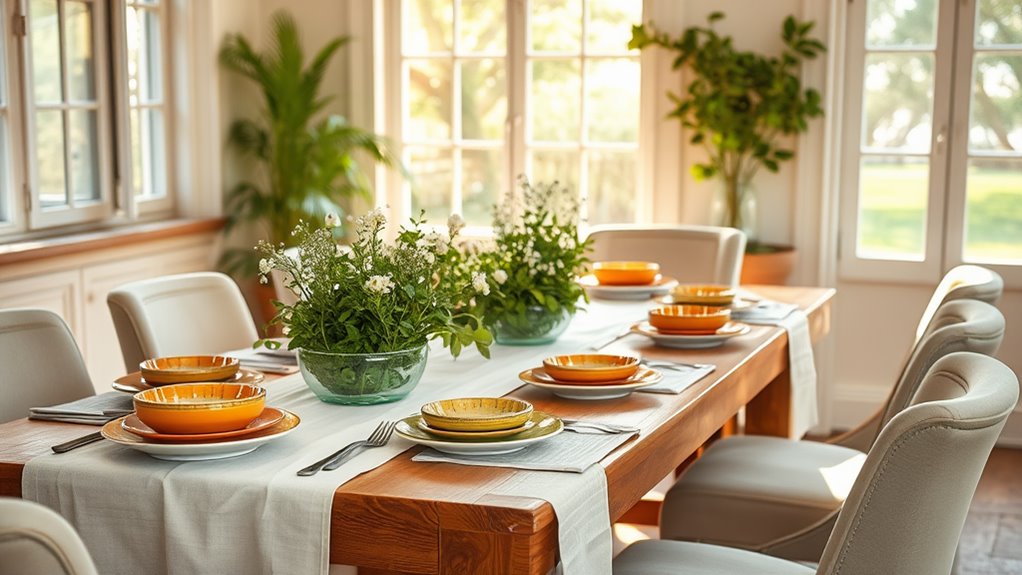
Incorporating the latest trends in home design can transform your space into a modern, stylish haven. Embrace sustainable materials like reclaimed wood and recycled textiles to add eco-friendly touches. Integrate smart home technology for seamless control and energy efficiency. Bold color palettes and statement lighting enhance visual interest, while biophilic elements like indoor plants and natural light improve well-being. Multifunctional furniture maximizes space, and vintage accents add character. Open concept living and textured design elements create flow and depth. Discover these trends and elevate your home's aesthetic and functionality for an impressive living environment.
Sustainable Materials
The incorporation of sustainable materials in home design is rapidly becoming a pivotal trend in the industry. As homeowners seek to exert greater control over the environmental impact of their living spaces, the utilization of recycled textiles and reclaimed wood is gaining prominence. These materials not only offer aesthetic appeal but also contribute notably to reducing waste and promoting eco-friendly practices.
Recycled textiles, for example, are increasingly being used in upholstery, curtains, and rugs. By repurposing fabrics that would otherwise end up in landfills, designers are able to create stylish and unique pieces that align with sustainable values. These textiles often come from post-consumer waste or industrial by-products, ensuring that the lifecycle of the material is extended and its environmental footprint minimized. This approach satisfies the growing consumer demand for responsible consumption while also allowing for a high degree of customization and originality in home decor.
Similarly, reclaimed wood has become a cornerstone of sustainable home design. Sourced from old buildings, barns, or even discarded furniture, reclaimed wood infuses spaces with character and history that new materials often lack. Its weathered texture and rich patina can add warmth and depth to interiors, making it an ideal choice for flooring, cabinetry, and accent walls. Additionally, utilizing reclaimed wood reduces the need for new timber, thereby conserving forests and decreasing carbon emissions associated with logging and manufacturing processes.
Smart Home Technology
Smart home technology is revolutionizing modern living with innovations such as voice-controlled home devices and energy-efficient smart systems. These advancements not only enhance convenience but also contribute to a more sustainable lifestyle. Integrating such technologies into home design reflects a growing trend towards intelligent and eco-conscious living spaces.
Voice-Controlled Home Devices
Integrating voice-controlled home devices has become a pivotal element in modern smart home technology, enhancing convenience and efficiency for homeowners. These systems allow for seamless control over various aspects of the home environment, offering a blend of comfort and advanced functionality. Central to their appeal are robust security features that guarantee safe access and operation. For instance, voice recognition technology can restrict device access to authorized users only, providing an additional layer of security that is essential for protecting personal data and preventing unauthorized control.
Another significant advantage of voice-controlled home devices is their extensive device compatibility. Modern smart home ecosystems are designed to integrate effortlessly with a wide range of existing home devices, from lighting and climate control systems to entertainment centers and home security systems. This ensures that homeowners can manage all their connected devices through simple voice commands, streamlining daily routines and enhancing overall home management.
Energy-Efficient Smart Systems
Harnessing the power of advanced technology, energy-efficient smart systems are revolutionizing the way homeowners manage and conserve energy. These systems offer improved control and real-time monitoring, empowering homeowners to make informed decisions regarding their energy consumption.
One of the primary components of this trend is the integration of solar panels. These panels not only reduce dependence on traditional electricity sources but also contribute to significant cost savings and a smaller carbon footprint. By leveraging energy from the sun, homeowners can generate their own electricity, often producing more than they consume, and even selling surplus power back to the grid.
Another critical aspect is advanced thermal insulation. Modern insulation materials and techniques ensure that homes maintain ideal temperatures with minimal energy expenditure. Smart thermostats, in conjunction with superior insulation, can learn and adapt to a homeowner's schedule, automatically adjusting settings to maximize comfort and efficiency.
Moreover, interconnected devices such as smart meters and energy management systems provide detailed insights into energy usage patterns. This technology enables homeowners to identify inefficiencies and implement corrective measures swiftly. By embracing these energy-efficient smart systems, homeowners not only enhance the comfort and functionality of their living spaces but also contribute to a sustainable future.
Bold Color Palettes
Bold color palettes are making a significant impact in contemporary home design, introducing vibrant statement wall colors that transform spaces. Furniture choices in vivid hues add an energetic atmosphere, while accent decor pieces bring a cohesive and striking finish. These elements work together to create dynamic and visually stimulating environments.
Statement Wall Colors
Embracing vibrant and daring color palettes for statement walls can dramatically transform and energize any living space. By integrating bold hues with sophisticated matte finishes, homeowners can achieve a contemporary and polished aesthetic that speaks volumes. Matte finishes, in particular, offer a subdued yet impactful backdrop, allowing the bold colors to shine without overwhelming the room. The muted texture of matte paint enhances the depth and richness of the chosen color, making the wall a true focal point.
To further elevate the design, incorporating metallic accents can add an element of luxury and dimension. Metallic elements, such as gold or silver trims, can create a striking contrast against the bold matte walls, infusing the space with a touch of opulence. These accents can be seamlessly integrated through decorative items, fixtures, or even furniture pieces that complement the statement wall.
Choosing the right bold color palette and combining it with matte finishes and metallic accents allows homeowners to exert a high degree of control over their interior aesthetics. This approach not only transforms the ambiance but also reflects a sophisticated sense of style and intentionality, making any space feel both dynamic and thoughtfully curated.
Vibrant Furniture Choices
While statement wall colors set the stage for a dynamic interior, vibrant furniture choices further amplify the bold aesthetic, creating a cohesive and visually stimulating environment. Opting for custom upholstery allows homeowners to tailor their furniture pieces to their unique vision, ensuring that each item resonates with their personal style. Custom upholstery offers a plethora of fabric options and color palettes, enabling a precise match to the overall design scheme.
Modular sofas are another key element in crafting a vibrant and adaptable living space. These versatile pieces not only provide comfort but also the flexibility to reconfigure seating arrangements, ensuring that the layout remains functional and engaging. By selecting modular sofas in bold, rich hues, such as deep emeralds or vibrant oranges, homeowners can inject a sense of energy and personality into their living spaces.
Incorporating vibrant furniture choices is not merely about adding color; it is about curating an environment that speaks to one's individuality and taste. Thoughtfully selected furniture pieces with striking colors and custom upholstery can transform a room from ordinary to extraordinary, offering a controlled yet dynamic atmosphere that enhances the overall living experience.
Accent Decor Pieces
Incorporating accent decor pieces with bold color palettes can significantly enhance the visual interest of a home interior. These elements not only add personality but also serve as focal points that draw the eye and create a cohesive design narrative. When thoughtfully placed, accent pieces such as wall art and decorative sculptures can transform a bland space into a vibrant, dynamic environment.
Wall art, in particular, offers a versatile avenue for introducing bold colors. Whether through large canvases or a curated gallery wall, the right selection can complement existing decor while making a powerful statement. Opt for pieces that incorporate your chosen color schemes to promote harmony and visual coherence.
Decorative sculptures provide another means of infusing bold hues into your home. Strategically placed on mantels, side tables, or shelves, these sculptures can add depth and dimension to a room. Choose pieces that resonate with your overall aesthetic but also push the boundaries of conventional design.
Biophilic Design
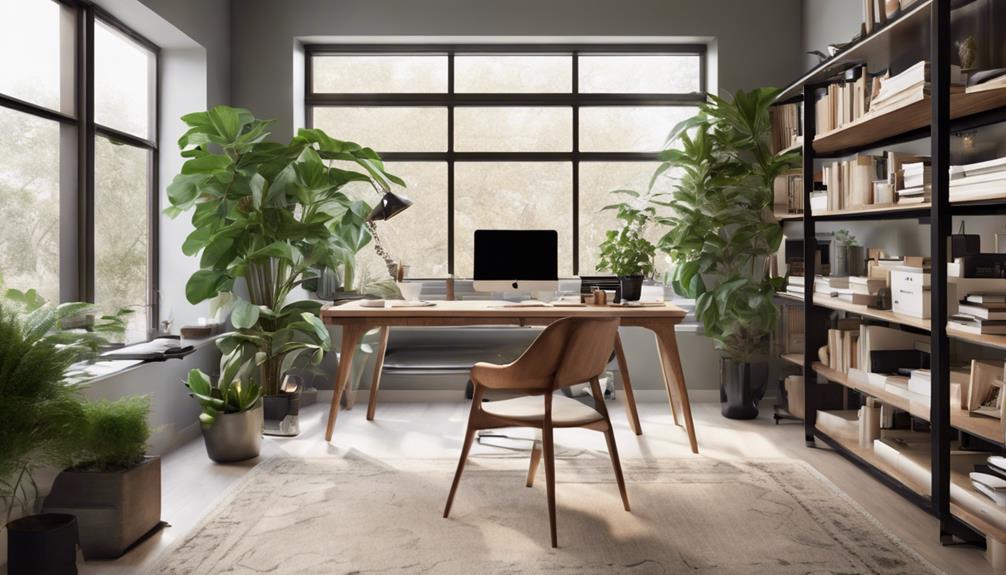
Biophilic design integrates natural elements into built environments to enhance well-being and connectivity to nature. This design philosophy capitalizes on humanity's intrinsic connection to the natural world, by bringing aspects like natural light, water features, and greenery into living spaces. Implementing biophilic design can transform your home into a serene oasis, promoting both mental and physical health.
To harness the full potential of biophilic design, consider the following strategies:
- Incorporate Natural Elements: Integrate materials such as wood, stone, and bamboo into your interiors. These materials not only add aesthetic value but also create a tactile connection to nature. Wooden floors, stone countertops, and bamboo furniture can serve as focal points in your home.
- Indoor Plants: Introducing indoor plants is one of the simplest yet most effective ways to enhance biophilic design. Plants like ferns, spider plants, and succulents improve air quality and add a touch of greenery. Position them in various rooms to create a cohesive natural theme throughout your home.
- Maximize Natural Light: Utilize large windows, skylights, and glass doors to allow ample natural light to flood your interiors. Natural light has been shown to improve mood, productivity, and overall well-being. Consider sheer curtains or blinds that can be adjusted to control light levels as needed.
- Water Features: Integrate water features such as indoor fountains or aquariums. The sound of flowing water can be incredibly soothing and adds an element of tranquility. These features can serve as a stunning visual and auditory focal point in your home.
Multifunctional Furniture
Multifunctional furniture is increasingly becoming a cornerstone in modern home design, addressing the need for space-saving solutions in smaller living environments. These versatile design elements not only maximize limited space but also offer flexibility and adaptability for various uses. As homes evolve to accommodate diverse lifestyles, incorporating multifunctional pieces can greatly enhance both form and function.
Space-Saving Solutions
Maximizing space in modern homes often involves the strategic use of multifunctional furniture. As living spaces become more compact, homeowners are increasingly drawn to innovative solutions that offer both style and practicality. Hidden storage and compact furniture are at the forefront of this trend, providing essential functionality without sacrificing aesthetic appeal.
To help you achieve a more organized and efficient living area, consider these space-saving solutions:
- Convertible Sofa Beds: These versatile pieces transform from a stylish sofa to a comfortable bed, perfect for accommodating overnight guests without the need for a dedicated guest room.
- Storage Ottomans: Ideal for living rooms, these multifunctional items serve as both a footrest and a place to store blankets, magazines, or other necessities, thereby keeping clutter at bay.
- Foldable Dining Tables: Compact furniture such as foldable dining tables can be expanded for entertaining guests and then conveniently folded away to free up space when not in use.
- Murphy Beds with Shelving: Integrating a Murphy bed with built-in shelving units offers hidden storage options, making it an excellent choice for small bedrooms or studio apartments.
Incorporating these multifunctional furniture pieces allows you to maintain control over your living environment, ensuring it remains both functional and aesthetically pleasing.
Versatile Design Elements
Embracing multifunctional furniture not only conserves space but also introduces versatile design elements that enhance both utility and aesthetic value in modern homes. This approach is particularly beneficial in creating dual purpose rooms where space is at a premium. For instance, a sofa that converts into a bed or a dining table that doubles as a workspace can effortlessly shift between functions without compromising on style or comfort. Such adaptability is key in flexible layouts, allowing for seamless adjustments in room usage based on daily needs.
Incorporating multifunctional furniture into your home design offers greater control over how each space is utilized. Modular shelving units, for example, can be reconfigured to suit changing storage requirements, while extendable tables can accommodate varying numbers of guests with ease. This level of flexibility ensures that your living environment can evolve alongside your lifestyle, providing both practical benefits and a visually cohesive aesthetic.
Furthermore, selecting pieces with hidden storage options can greatly reduce clutter, promoting a cleaner and more organized living space. Ultimately, the strategic use of multifunctional furniture enables homeowners to maximize efficiency without sacrificing elegance or function, making it an indispensable element in contemporary home design.
Minimalist Aesthetics
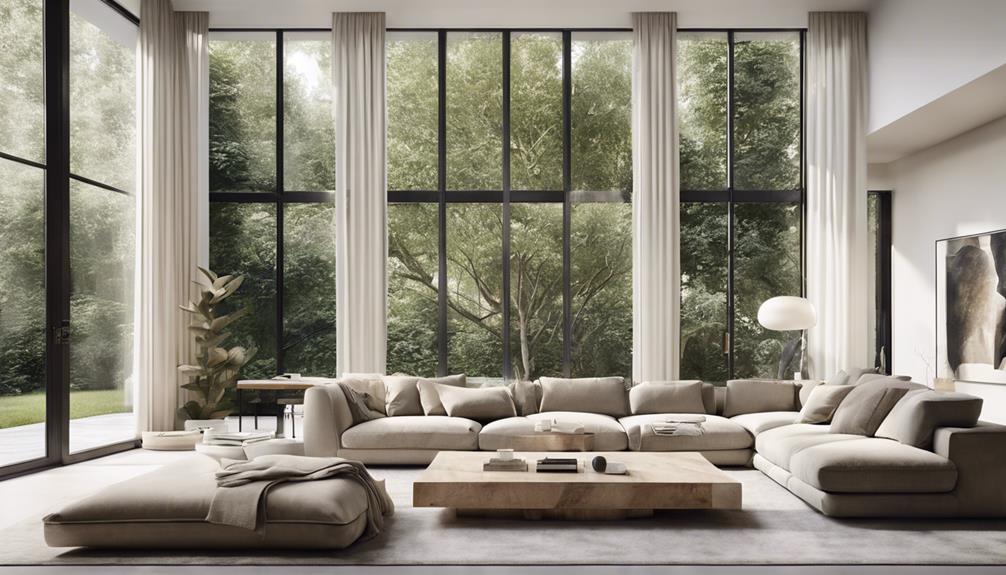
Focusing on simplicity and functionality, minimalist aesthetics emphasize clean lines, neutral color palettes, and uncluttered spaces. This design philosophy is rooted in the belief that less is more, allowing homeowners to create environments that are both aesthetically pleasing and highly functional. By concentrating on essential elements, minimalist aesthetics provide a sense of control and calm, making them an ideal choice for those looking to elevate their living spaces.
To successfully implement minimalist aesthetics in your home, consider the following key aspects:
- Clean Lines: Opt for furniture and decor with straight, unembellished lines. This approach helps to maintain a streamlined appearance, contributing to a sense of order and spaciousness. Whether it's a sleek sofa or a minimalist coffee table, clean lines are foundational to this style.
- Neutral Tones: A neutral color palette is essential in minimalist design. Shades such as white, beige, and gray create a serene and cohesive look, making spaces appear larger and more inviting. These tones also provide a versatile backdrop that can easily be accented with minimal pops of color.
- Decluttered Spaces: The hallmark of minimalist aesthetics is the absence of clutter. Prioritize functionality by ensuring that every item has a purpose. This not only enhances visual appeal but also contributes to a more organized and efficient living environment.
- Quality Over Quantity: Focus on fewer, high-quality pieces rather than an abundance of decor and furniture. Investing in durable, timeless items ensures longevity and reduces the need for frequent replacements, aligning with the minimalist principle of sustainability.
Incorporating these elements allows for a controlled, sophisticated, and serene living space that embodies the essence of minimalist aesthetics.
Vintage Accents
Incorporating vintage accents into home design can add a sense of history and character, creating a unique and timeless aesthetic. Vintage elements offer a touch of nostalgia, while seamlessly blending with modern conveniences. This approach not only enhances the visual appeal of a space but also cultivates a warm and inviting atmosphere.
One way to integrate vintage accents is through the use of retro artwork. These pieces can serve as statement items, drawing attention and sparking conversation. Whether it be a classic movie poster or a mid-century abstract painting, retro artwork can inject vibrancy and personality into any room. Moreover, incorporating antique hardware, such as doorknobs, drawer handles, or light fixtures, can provide a subtle yet impactful nod to the past. These details, often crafted with intricate designs and superior materials, can elevate the overall aesthetic of your home.
Below is a table outlining some popular vintage accents and their potential impact on home design:
| Vintage Accent | Description | Potential Impact |
|---|---|---|
| Retro Artwork | Artwork from past eras | Adds color, personality, and focal points |
| Antique Hardware | Vintage doorknobs, handles, light fixtures | Enhances detail and authenticity |
| Vintage Furniture | Classic pieces like armchairs and tables | Creates a sense of elegance and history |
Choosing to incorporate vintage accents allows homeowners to exercise a high degree of control over their design choices. By carefully selecting pieces that resonate personally, one can curate a space that is both stylish and reflective of individual tastes. Not only do these elements create a visually cohesive environment, but they also infuse the home with a rich narrative, bridging the gap between past and present.
Open Concept Living
Open concept living has become increasingly popular in modern home design, offering a spacious and versatile environment that promotes both functionality and social interaction. This design trend removes unnecessary walls, creating seamless flow between the kitchen, dining, and living areas. Here are some key elements to take into account when incorporating open concept living into your home:
- Kitchen Islands: The kitchen island serves as the heart of an open concept space. It not only provides additional counter space for meal preparation but also functions as a gathering spot for family and friends. Incorporating seating options around the island can further enhance its utility, making it a flexible space for dining, working, or socializing.
- Flexible Spaces: Open concept living demands versatile areas that can adapt to various needs. Use furniture arrangements to create distinct zones within the open space, such as a reading nook or a home office. Movable partitions or shelving units can also help to define areas without compromising the openness of the layout.
- Cohesive Design Elements: Maintaining a unified aesthetic is essential in open concept living. Consistent color schemes, flooring materials, and decor styles will guarantee a harmonious flow throughout the space. This uniformity enhances the sense of openness and continuity, making the area feel larger and more inviting.
- Natural Light: Maximizing natural light is essential in open concept designs. Large windows, sliding glass doors, and skylights can flood the space with daylight, creating an airy and bright atmosphere. This not only improves the overall ambiance but also makes the space more energy-efficient.
Statement Lighting
Embracing the power of illumination, statement lighting serves as both a functional necessity and a key design element that can dramatically enhance the aesthetic appeal of any home. For those who seek to command control over their living spaces, the strategic use of statement lighting can transform a room from ordinary to extraordinary. By carefully selecting chandelier styles and pendant fixtures, homeowners can direct attention to specific areas, create a desired mood, and showcase their personal taste.
One of the most impactful choices in statement lighting is the chandelier. Modern chandelier styles range from minimalist and industrial designs to intricate, crystal-laden masterpieces. These fixtures serve as focal points that draw the eye upward, making rooms feel more expansive and elegant. When selecting a chandelier, consider its scale relative to the room size and ceiling height to make sure it complements rather than overwhelms the space.
Pendant fixtures offer a versatile alternative, providing targeted illumination while adding a touch of sophistication. Available in a myriad of designs, materials, and finishes, pendant fixtures can be grouped together for a dramatic effect or used singly for subtle elegance. They are particularly effective over kitchen islands, dining tables, and entryways, where they can highlight functional areas and contribute to the flow of the home's design.
In integrating statement lighting, it's important to balance form and function. Opt for dimmable options to adjust the lighting intensity according to different needs and times of day. By thoughtfully incorporating chandelier styles and pendant fixtures, homeowners can achieve a harmonious blend of practicality and artistry, thereby elevating the overall ambiance of their living spaces.
Textured Elements
Textured elements play a vital role in adding depth and richness to home interiors, creating a tactile experience that engages the senses and enhances visual interest. Incorporating various textures can transform a space from flat and uninspiring to dynamic and inviting. To achieve this, homeowners and designers are increasingly turning to wall textures and patterned fabrics to infuse character and warmth into their interiors.
- Wall Textures: One of the most effective ways to introduce texture is through wall treatments. Options such as textured wallpapers, 3D wall panels, and exposed brick can add significant dimension to any room. Each choice offers a unique tactile quality, allowing you to tailor the ambiance to your personal preferences. Whether you prefer the industrial chic of exposed brick or the sophisticated elegance of embossed wallpaper, wall textures create a focal point that elevates the overall aesthetic.
- Patterned Fabrics: Soft furnishings provide an excellent opportunity to incorporate texture through patterned fabrics. Luxurious materials such as velvet, linen, and wool can be used for curtains, cushions, and upholstery, adding layers of visual and tactile interest. Patterned fabrics, in particular, bring a dynamic element to interiors, offering both visual complexity and a sense of depth. Geometric patterns, florals, and abstract designs can all contribute to a richly textured environment.
- Natural Materials: Incorporating natural elements like wooden beams, stone surfaces, and woven baskets introduces organic textures that ground the space. These materials not only add a tactile quality but also connect the interior with the natural world, fostering a serene and balanced atmosphere.
- Layering Textures: Combining different textures within a single room can create a harmonious yet complex design. Layering rugs, mixing fabric types, and integrating various wall textures can provide a multi-dimensional experience that captivates and comforts.
Frequently Asked Questions
How Can I Make a Small Room Appear Larger?
To make a small room appear larger, strategic mirror placement can greatly enhance the perception of space by reflecting light and creating an illusion of depth. Additionally, opting for light colors on walls, furniture, and décor can brighten the room, making it feel more open and airy. Implementing these techniques will allow you to maintain control over your environment, creating a more spacious and inviting atmosphere.
What Are the Best Ways to Incorporate Personal Style Into Home Decor?
Imagine your home as a blank canvas, awaiting the brushstrokes of your unique style. To infuse personal flair, consider investing in custom furniture that reflects your taste and needs. Additionally, displaying personal collections, be it art, books, or travel memorabilia, can add character and depth. By meticulously selecting these elements, you not only assert control over your space but also craft an environment that is distinctly yours.
How Do I Choose the Right Art for My Living Space?
Selecting the right art for your living space involves considering art framing and color themes that complement your existing decor. Begin by choosing pieces that resonate with your personal taste and style. Make sure the art framing matches your overall aesthetic, whether modern or traditional. Additionally, opt for artwork that harmonizes with the room's color themes to create a cohesive and visually appealing environment. This approach guarantees a balanced and controlled design.
What Are the Latest Trends in Outdoor Living Spaces?
In today's ever-evolving design world, outdoor living spaces are reaching the pinnacle of sophistication. Sustainable landscaping is the gold standard, incorporating drought-resistant plants and eco-friendly materials. Outdoor kitchens, complete with top-tier appliances and weather-resistant cabinetry, provide unparalleled culinary experiences. For those who crave control over their environment, these trends offer the perfect blend of functionality and luxury, transforming any backyard into a personal oasis.
How Can I Balance Aesthetics and Functionality in My Home Design?
Balancing aesthetics and functionality in home design calls for strategic integration of smart storage solutions and multi-purpose furniture. Opt for built-in cabinets and shelves to maximize space while maintaining a sleek look. Choose multi-purpose furniture, such as ottomans with storage or sofa beds, to enhance utility without compromising style. This approach guarantees a harmonious blend of form and function, catering to both visual appeal and practical needs.