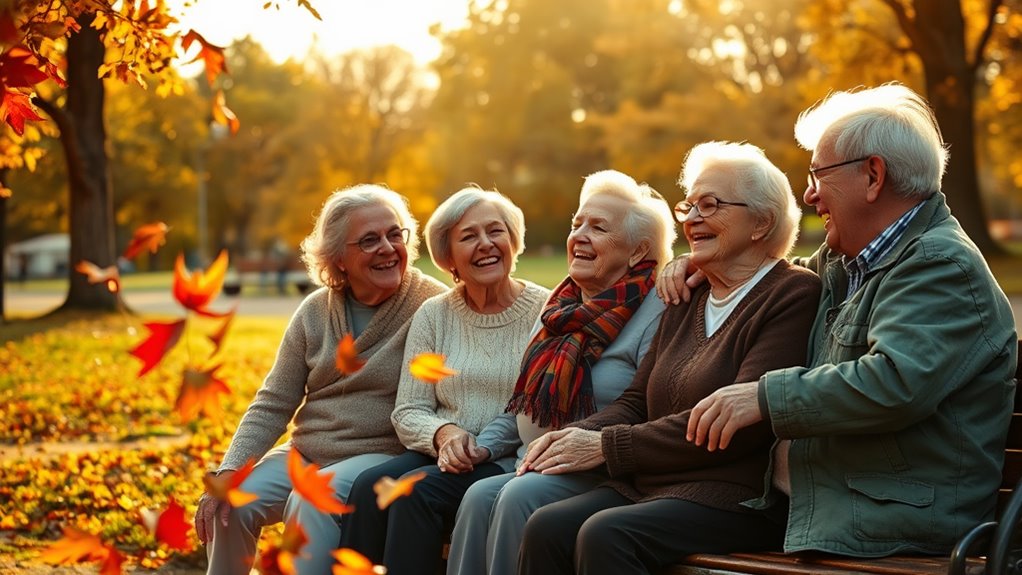
Strong social support networks greatly boost your chances of living longer. When you cultivate positive friendships and engage with your community, you improve your emotional resilience and well-being. Research shows that these connections reduce stress, enhance heart health, and lower the risk of depression. Furthermore, supporting others can create a sense of purpose and belonging. By prioritizing healthy relationships, you nurture not just your mental health but likewise your physiological well-being. The impact of social connections on longevity is profound, and there's much additional to discover about how these relationships shape your health and happiness.
Importance of Social Connections
In today's fast-paced world, the importance of social connections can't be overstated. You might not realize it, but the friendships you cultivate play a vital role in your life. Positive friendship dynamics can enrich your experiences, lend support during tough times, and improve your overall well-being. When you actively engage with others, you build a network that nurtures a sense of belonging, making life feel more fulfilling.
However, the opposite can be just as true. Social isolation can creep in, often unnoticed, and it can have a profound impact on your sense of self and purpose. It's important to recognize the signs of isolation and take steps to reconnect with those around you. Think about the last time you reached out to a friend or joined a community event. Those small gestures can lead to meaningful connections that uplift both you and those you serve.
Embracing these connections not only enriches your own life but also allows you to support others in their experiences. By nurturing your friendships, you create a ripple effect that encourages others to do the same. This interconnectedness can improve community spirit and build resilience against life's challenges.
Impact on Mental Health
Social connections considerably influence your mental health, acting as a buffer against stress and anxiety. When you engage with friends, family, or community members, you create a support network that improves your emotional resilience. These relationships provide a safe space to share your thoughts and feelings, allowing you to navigate life's challenges with greater ease.
Think about how social isolation can impact your mental well-being. When you're disconnected from others, you might feel lonely, anxious, or even depressed. It is crucial to recognize that reaching out for help isn't a sign of weakness; it is a courageous step in the direction of nurturing your mental health. By cultivating connections, you not only benefit yourself but also create an environment where others feel valued and supported.
Consider volunteering or participating in group activities as ways to strengthen your ties with others. These interactions can help you develop deeper relationships, which in turn, reinforce your emotional resilience. As you support others, you'll find that these connections can lift your spirits, providing a sense of purpose and belonging.
Physiological Benefits
When you experience strong social support, your body reacts positively in several ways. It helps reduce stress, boosts your immune system, and can even improve your heart health. Comprehending these physiological benefits can show you just how vital your social connections are for your overall well-being.
Stress Reduction Mechanisms
Amid the intricacies of modern life, stress reduction mechanisms play a vital role in promoting longevity. When you engage in mindfulness practices, you cultivate a deeper awareness of your thoughts and feelings, enabling you to respond rather than react to stressors. This practice doesn't just improve your emotional resilience; it likewise creates a buffer against the physical impacts of stress on your body.
By focusing on the present moment, you can lower your cortisol levels, which in turn helps reduce anxiety and improves overall well-being. Think of those moments spent practicing meditation or deep breathing—each one reinforces your ability to handle life's challenges with grace. These techniques not only benefit you but additionally empower you to support others in your community, helping them navigate their own stress.
Furthermore, nurturing a supportive environment through social connections can amplify these stress reduction mechanisms. When you share your experiences and insights with others, you create a network of emotional support that encourages resilience. Together, you can cultivate a lifestyle that prioritizes mental health, eventually leading to a longer, more fulfilling life for everyone involved.
Immune System Strengthening
Building a strong immune system is another key factor that contributes to longevity. When you engage with your support networks, you not only strengthen your emotional nourishment but likewise improve your immune response. The relational dynamics within these networks help nurture social resilience, making it easier to face life's challenges together.
You'll find that positive interactions and shared experiences with others promote communal health. This collective approach to well-being can greatly fortify your immune system, allowing you to fend off illnesses more effectively.
By cultivating relationships and maintaining connections, you create an environment rich in support and encouragement. This emotional nourishment is crucial, as it helps reduce stress and anxiety, both of which can weaken your immune response.
In essence, when you prioritize social support, you're not merely investing in your health; you're additionally contributing to the well-being of those around you. As you build these connections, you promote a cycle of care that uplifts everyone involved. So, strengthen your support networks and watch how they improve not just your longevity but also the lives of others in your community.
Heart Health Improvement
Strengthening your heart health is another significant aspect of longevity that often gets overlooked. When you cultivate strong social connections, you're not merely enriching your relationships; you're likewise reaping significant cardiovascular benefits. Engaging with friends and loved ones can lower stress levels, which is critical for maintaining a healthy heart. The more support you have, the better you're equipped to face life's challenges, enhancing your emotional resilience.
Research shows that those with robust social networks tend to experience lower blood pressure and reduced risk of heart disease. Simply put, the love and support you share with others can lead to a healthier heart. When you serve others, whether through volunteering or simply being there for a friend in need, you create a ripple effect of positivity that can improve your own well-being.
Moreover, these strong bonds encourage healthier lifestyle choices—like exercising together or preparing nutritious meals—which can further strengthen your heart health. By nurturing connections with others, you're not just contributing to their lives but also enhancing your own longevity and well-being. So, prioritize your relationships; they're fundamental to a long, healthy life.
Social Support and Stress Reduction
Social connections play an fundamental role in stress reduction, acting as a buffer against life's challenges. When you cultivate strong relationships, you improve your emotional resilience, allowing you to navigate stress more effectively. Engaging with friends, family, and community not merely encourages social bonding but additionally improves the quality of your relationships, which is critical for your mental well-being.
Peer support provides an invaluable resource during tough times. When faced with stressors, having someone to share your experiences with can help you develop effective coping strategies. You might find that discussing your challenges with trusted friends or family members alleviates feelings of isolation, making it easier to handle difficult situations.
Building family ties and a sense of community belonging can too contribute to your overall stress management. When you feel connected to others, you're more likely to experience trust building and mutual support. Those shared experiences strengthen your ability to cope with adversity and encourage open communication about your feelings.
Regular social interaction is imperative, as it reinforces emotional bonds and reminds you that you're not alone. Whether it's a casual coffee date or volunteering together, these moments create a network of support that can help mitigate stress.
In a world where challenges are inevitable, nurturing your relationships is a proactive approach to stress reduction. By investing in your social connections, you're not just improving your own well-being, but additionally empowering those around you to thrive amidst life's ups and downs.
Healthy Lifestyle Promotion
In today's fast-paced world, promoting a healthy lifestyle can greatly improve your overall well-being and longevity. When you prioritize your health, you not only benefit yourself but likewise inspire those around you to make positive changes. By focusing on exercise motivation and nurturing better lifestyle habits, you can create a ripple effect in your community.
Here are four simple ways you can promote a healthy lifestyle:
- Stay Active Together: Organize group workouts or nature walks. Engaging with others provides both exercise motivation and social support, enhancing everyone's commitment to fitness.
- Share Healthy Recipes: Cooking nutritious meals can be a fun, communal activity. By sharing recipes and cooking together, you can inspire others to adopt better eating habits and enjoy the process.
- Set Goals: Encourage friends and family to set achievable health goals. Whether it's drinking more water or completing a 5K, supporting each other in these endeavors can strengthen relationships and encourage a sense of accountability.
- Celebrate Progress: Acknowledge and celebrate milestones, no matter how small. Recognizing accomplishments reinforces positive lifestyle habits and motivates everyone to keep going.
Community Engagement and Longevity
When you engage with your community, you strengthen your social networks and boost your overall well-being. Volunteering not only assists others but additionally improves your own happiness and longevity. By investing time in your community, you create meaningful connections that can greatly influence your life.
Importance of Social Networks
Often overlooked, the role of social networks in promoting longevity is crucial. When you engage with a robust social network, you're not merely building friendships; you're improving your overall well-being. Here's how these connections contribute to a longer, healthier life:
- Emotional Bonds: Strong emotional ties cultivate a sense of belonging, reducing feelings of loneliness.
- Network Diversity: A mix of friends and acquaintances broadens your perspective, expanding your comprehension of the world.
- Friendship Quality: High-quality friendships provide fundamental support systems that help you navigate life's challenges.
- Group Activities: Participating in group activities strengthens community ties and boosts social engagement, deepening connection.
The relationship dynamics within your social circles can greatly affect your health. When you nurture these connections, you create a foundation of support that helps you thrive. Remember, it's the quality of your interactions that matters most. By investing in your social networks, you uplift yourself and contribute positively to the lives of others. So, engage actively in your community, nurture those emotional bonds, and cherish the friendships that enrich your life.
Volunteering and Well-Being
Volunteering not just enriches the lives of those you help, but it also promotes your own well-being and longevity. When you engage in community service, you tap into a wellspring of volunteer motivation and altruistic behavior that nurtures personal fulfillment. The emotional rewards of helping others create a sense of belonging and purpose, improving your mental health.
Through civic engagement, you develop skills that can benefit both you and your community. This skill development encourages group dynamics, strengthening social connections that contribute to a longer life. Service learning opportunities allow you to gain insights while making a difference, reinforcing your commitment to social responsibility.
Here's a quick overview of the benefits of volunteering:
| Benefit | Description | Impact on Longevity |
|---|---|---|
| Emotional Rewards | Nurturing happiness through altruism | Increases resilience |
| Skill Development | Gaining new abilities and knowledge | Improves adaptability |
| Community Engagement | Strengthening social ties and networks | Boosts support systems |
| Personal Fulfillment | Achieving a sense of purpose and satisfaction | Improves life quality |
Building Stronger Relationships
Strengthening relationships can greatly improve your social support network and overall well-being. When you focus on building stronger connections, you cultivate an environment of mutual support that can lead to longevity. Here are some key strategies to improve your relationships:
- Develop Communication Skills: Clear and open communication is crucial. Use active listening to show you value others' thoughts and feelings. This builds trust and emotional intelligence.
- Invest in Quality Time: Spend time with loved ones, whether it's family or friends. Shared experiences create bonds that deepen relationships. Regularly schedule activities together to strengthen these ties.
- Practice Conflict Resolution: Disagreements are natural, but how you handle them matters. Approach conflicts with empathy and a willingness to understand the other person's perspective. This can transform challenges into opportunities for growth.
- Engage in Relationship Maintenance: Prioritize your connections. Simple gestures, like checking in or expressing gratitude, can go a long way. This ongoing effort reinforces family bonds and keeps relationships lively.
Frequently Asked Questions
How Can I Improve My Social Connections Effectively?
To improve your social connections effectively, focus on the quality of your friendships and engage with your community. Reach out to friends for deeper conversations and shared experiences, strengthening those bonds. Volunteer for local organizations or participate in community events; it'll not just expand your network but will also improve your life. By actively serving others, you nurture meaningful relationships that elevate both your well-being and that of those around you.
What Role Does Technology Play in Social Support?
Technology plays an essential role in enhancing social support. By engaging in virtual communities, you can connect with others who share your interests and values. These online relationships nurture a sense of belonging, allowing you to share experiences and offer support, no matter the distance. You can use social media platforms, forums, and messaging apps to check in on friends, provide encouragement, and serve those in need, making a meaningful impact in their lives.
Are There Specific Groups That Benefit More From Social Support?
Yes, certain groups do benefit more from social support. Elderly populations often rely on community connections to combat loneliness, whereas minority groups may find strength in shared cultural experiences. Rural communities face unique challenges, making social networks essential for resources. Single parents thrive with support systems that ease their burdens, and those with chronic illnesses often need emotional and practical assistance. By serving these groups, you can improve their well-being and resilience.
How Do Cultural Differences Affect Social Support Systems?
Cultural differences can greatly shape social support systems. You'll notice that cultural norms dictate how people interact within social networks, influencing the depth of relationships. In some cultures, communal activities nurture tight-knit communities, whereas others may prioritize individualism. Family structures likewise play an essential role; extended families might offer broader support compared to nuclear ones. Comprehending these variations helps you better serve others, tailoring your approach to meet diverse needs effectively.
Can Pets Provide Social Support and Promote Longevity?
They say, "A dog is a man's best friend," and it's true—pets provide invaluable companionship. When you nurture that emotional bonding with your furry friend, you're not merely giving love; you're enhancing your well-being. Research shows that pet companionship can lower stress and boost happiness, leading to a healthier life. By caring for a pet, you're not only serving them but additionally enriching your own life in profound ways.


